
Beautiful Plants For Your Interior
Beautiful Plants For Your Interior
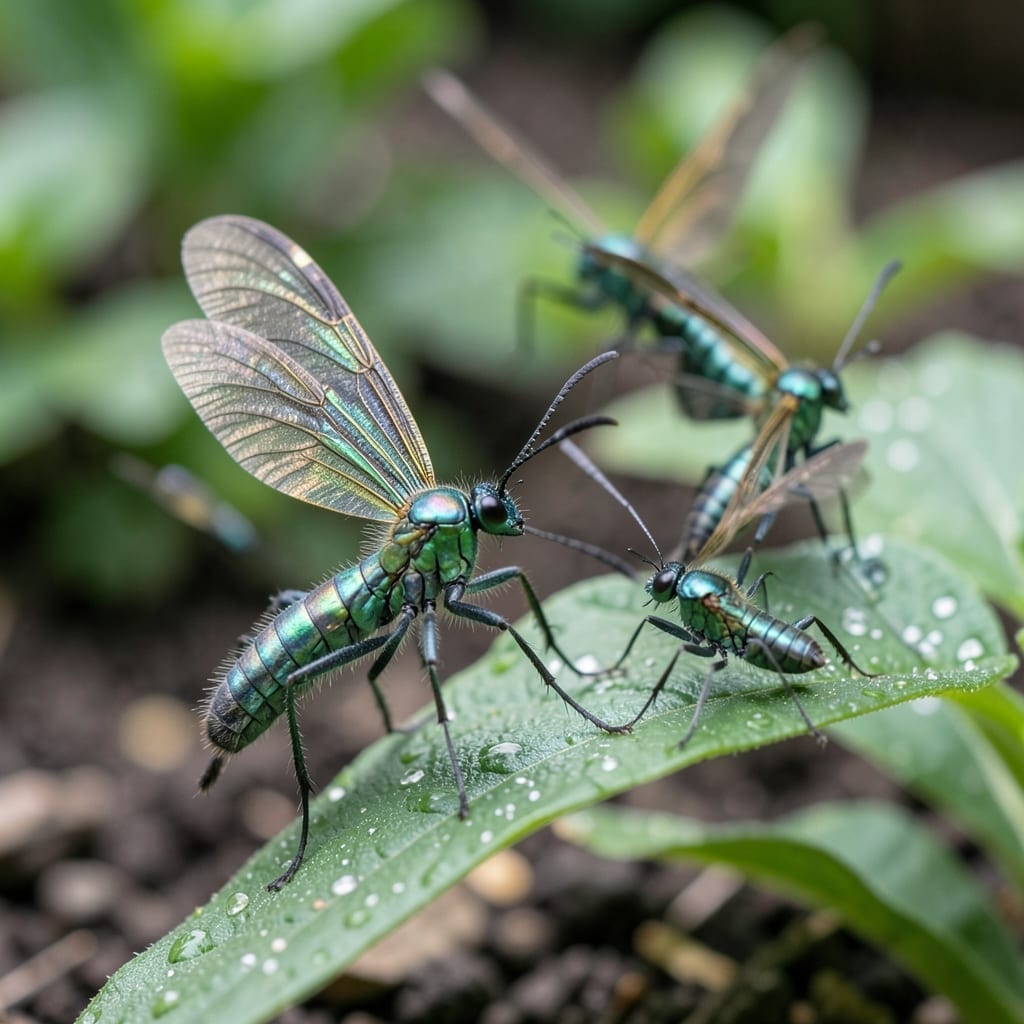
Tiny clouds of bugs hovering above your lawn can ruin a perfect day outdoors. I’ve spent too many afternoons swatting at invisible pests only to realize they’re taking over my grass.
Most flying lawn invaders fall into a few categories: aphids, whiteflies, or fungus gnats. Each has its own habits and weak points. The good news? You don’t need a chemistry degree to handle them.
With a few simple tweaks—like adjusting watering schedules or introducing natural predators—you’ll see a dramatic drop in activity within days. No fancy equipment required.
Prevention is even easier: keep your lawn healthy and these pests won’t stand a chance. Here’s how to take back your yard.
The sudden appearance of flying bugs in your lawn is usually tied to environmental triggers, life cycles, or attracting conditions. Here’s why it happens:
Many insects, like gnats, mosquitoes, and midges, thrive in warm, moist environments. Rising temperatures accelerate their metabolism and reproduction, leading to visible swarms. Stagnant water or overwatered lawns create ideal breeding grounds for these pests.
Fungus gnats and filter flies are drawn to decomposing organic material, such as grass clippings, compost piles, or thatch buildup. As this matter breaks down, it releases odors and gases that attract flying insects looking to lay eggs or feed.
Some species, like moths and crane flies, swarm during dusk or night due to mating behaviors. Artificial lights (porch lights, streetlamps) can also disorient them, causing them to gather in large, noticeable groups.
Excess nitrogen from over-fertilizing can create imbalances in soil pH, attracting pests like whiteflies and aphids. These insects feed on plant sap and reproduce rapidly, leading to visible infestations in your lawn.
Tackling flying lawn pests starts with identifying the cause and applying targeted solutions. Here’s how to reclaim your yard from those buzzing invaders.
Mosquitoes and fungus gnats thrive in stagnant water. Empty saucers under pots, unclog gutters, and fill low spots in your lawn to eliminate breeding grounds. For persistent puddles, consider installing a French drain or using a pump. Prevention tip: 💡 Water plants in the morning so excess moisture evaporates by evening.
Flying pests like whiteflies and aphids love dense, unkempt foliage. Prune overgrown bushes, mow tall grass, and remove weeds regularly. Keep mulch layers thin (under 3 inches) to avoid creating a cozy habitat. Prevention tip: ✨ Space plants properly to improve airflow and reduce humidity, which deters many pests.
Rotting leaves, grass clippings, and fallen fruit attract flies and other nuisances. Rake up debris weekly, and compost it far from your home. Use sealed trash bins for yard waste. Prevention tip: 🎯 Store firewood at least 20 feet from your house to avoid inviting termites and carpenter ants.
Grubs and other soil-dwelling larvae turn into flying pests. Apply beneficial nematodes or milky spore powder to target them naturally. For severe infestations, use a granular insecticide labeled for lawn pests. Prevention tip: 🌡️ Aerate your lawn annually to improve soil health and discourage pest activity.
Plant pest-repelling species like citronella, lavender, or marigolds around patios and garden edges. Essential oil sprays (e.g., peppermint or eucalyptus) can also deter flying insects—mix 10-15 drops with water and a teaspoon of dish soap, then spray on affected areas. Prevention tip: 🔥 Reapply natural repellents after rain for lasting protection.
Most flying lawn pests like fungus gnats or midges won’t kill your grass directly. However, they can indicate underlying issues like overwatering or poor soil health. Some, like whiteflies, may damage plants by feeding on sap.
Many flying insects, including moths and crane flies, are most active during mating at dusk. Artificial lights can also attract and disorient them, making swarms more noticeable.
Yes! Mix 10-15 drops of peppermint or eucalyptus oil with water and dish soap for a spray. Citronella candles or planting lavender can also help deter them naturally.
Check for stagnant water, thick thatch, or rotting organic matter—these are prime breeding spots. If you see larvae or eggs in these areas, it’s time to clean up and treat.