
Beautiful Plants For Your Interior
Beautiful Plants For Your Interior
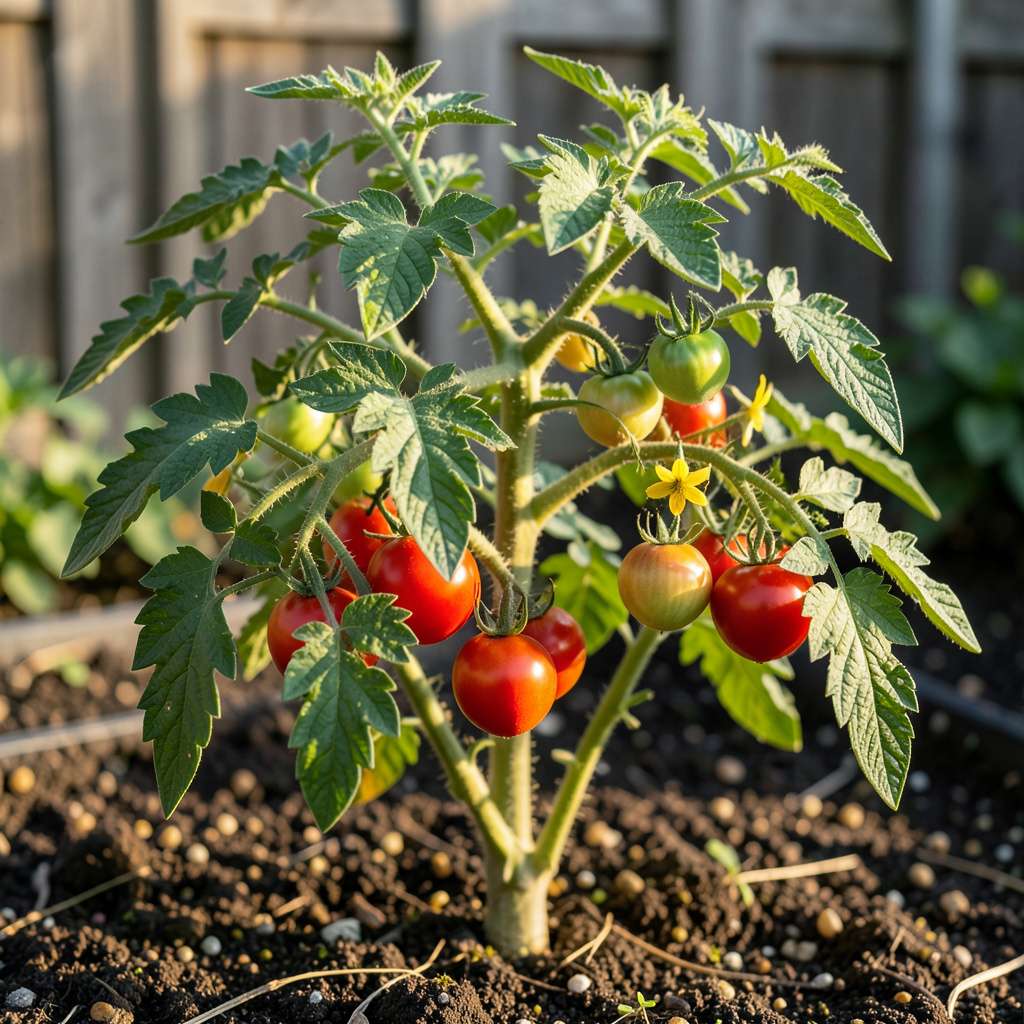
Common nighttime plant eaters include deer, rabbits, raccoons, slugs, and snails. Look for jagged leaf edges (deer/rabbits), holes (slugs/snails), or dug-up soil (raccoons) to identify the culprit.
Nighttime garden raids often leave distinct calling cards that reveal the culprit. 🌿 I’ve found that deer and rabbits leave clean, angled cuts on stems and leaves, while slugs and snails create irregular holes with silvery slime trails. Raccoons are the messiest offenders—they’ll uproot plants while searching for grubs, leaving scattered soil and disturbed mulch. Pay attention to damage location too: taller plants often indicate deer, while ground-level nibbling suggests smaller pests.
What many gardeners overlook is the timing of these visits. Most nocturnal feeders strike between dusk and dawn, when they feel safest from predators. I recommend doing a flashlight inspection just after sunset to catch them in the act—this simple step has saved many of my own plants from becoming midnight snacks. ✨
💡 In This Article
Every animal leaves a unique signature when feeding on plants. Deer create ragged, torn edges on leaves because they lack upper incisors, pulling vegetation upward as they eat. Rabbits, however, make clean, 45-degree angle cuts with their sharp front teeth—almost like scissors.
The height of damage tells you which pest you’re dealing with: deer browse up to 6 feet high, while rabbits rarely exceed 2 feet. 🌱
Slugs and snails are the silent nighttime grazers that leave irregular holes in leaves, often with a glossy slime trail that dries to a silvery sheen. These mollusks prefer tender new growth and can devour entire seedlings overnight. Raccoons, on the other hand, create dug-up areas around plants as they search for grubs and worms.
Their five-toed handprints (about 2-3 inches wide) are often visible in soft soil. 🐾
Look beyond leaf damage to other clues. Deer leave pellet-shaped droppings (about ½ inch long) in small clusters, while rabbit droppings are round, pea-sized and scattered. Raccoon tracks show their dexterous front paws with visible claw marks, often near overturned rocks or disturbed mulch.
Slugs and snails hide under boards or dense foliage during the day, leaving behind silvery mucus trails that glisten in morning light. ✨
The location of damage reveals feeding habits. Deer target fruit trees, roses, and hostas, often stripping leaves from the bottom up. Rabbits focus on young vegetables, clover, and tender shoots within their reach. Slugs and snails attack succulents, lettuce, and strawberries, leaving ragged holes in the most tender parts.
Raccoons dig around corn, melons, and freshly turned soil where insects congregate. 🌿
Timing matters too. Deer and rabbits feed most actively in early evening and pre-dawn hours, while slugs and snails emerge when humidity rises after sunset. Raccoons are true night owls, foraging between midnight and 4 AM.
Setting up a motion-activated camera can capture these patterns—many gardeners are surprised to discover multiple pests visiting at different times throughout the night. 🎥
Seasonal changes affect pest behavior. In spring, rabbits target new growth and flower buds, while deer focus on high-protein plants to recover from winter. Summer brings more slug and snail activity due to increased moisture, and fall sees raccoons aggressively foraging to fatten up for winter.
Understanding these cycles helps predict and prevent damage before it starts. 🍂
Look for ragged, torn leaf edges and damage up to 6 feet high. Deer lack upper teeth, so they pull vegetation upward, leaving uneven breaks. You’ll often find hoof prints and small clusters of pellet-shaped droppings nearby.
Install chicken wire fencing at least 2 feet tall, buried 6 inches deep to prevent digging. For existing plants, use 1-inch mesh cloche covers over seedlings. Rabbits dislike strong smells, so interplant with onions or garlic.
Yes! The caffeine is toxic to these pests. Sprinkle used coffee grounds in a 1-inch wide ring around vulnerable plants. Reapply after rain. For extra protection, combine with copper tape around planters—it gives them a mild electric shock.
They’re hunting for grubs and worms, not your plants! Raccoons have dexterous hands that leave five-toed prints about 2-3 inches wide. To deter them, apply beneficial nematodes to reduce the grub population they’re after.
Install protections before planting or at the first sign of damage. Most nocturnal pests follow routines—deer and rabbits feed at dusk/dawn, while raccoons forage midnight-4AM. Adjust deterrents seasonally as pest behavior changes.
