
Beautiful Plants For Your Interior
Beautiful Plants For Your Interior
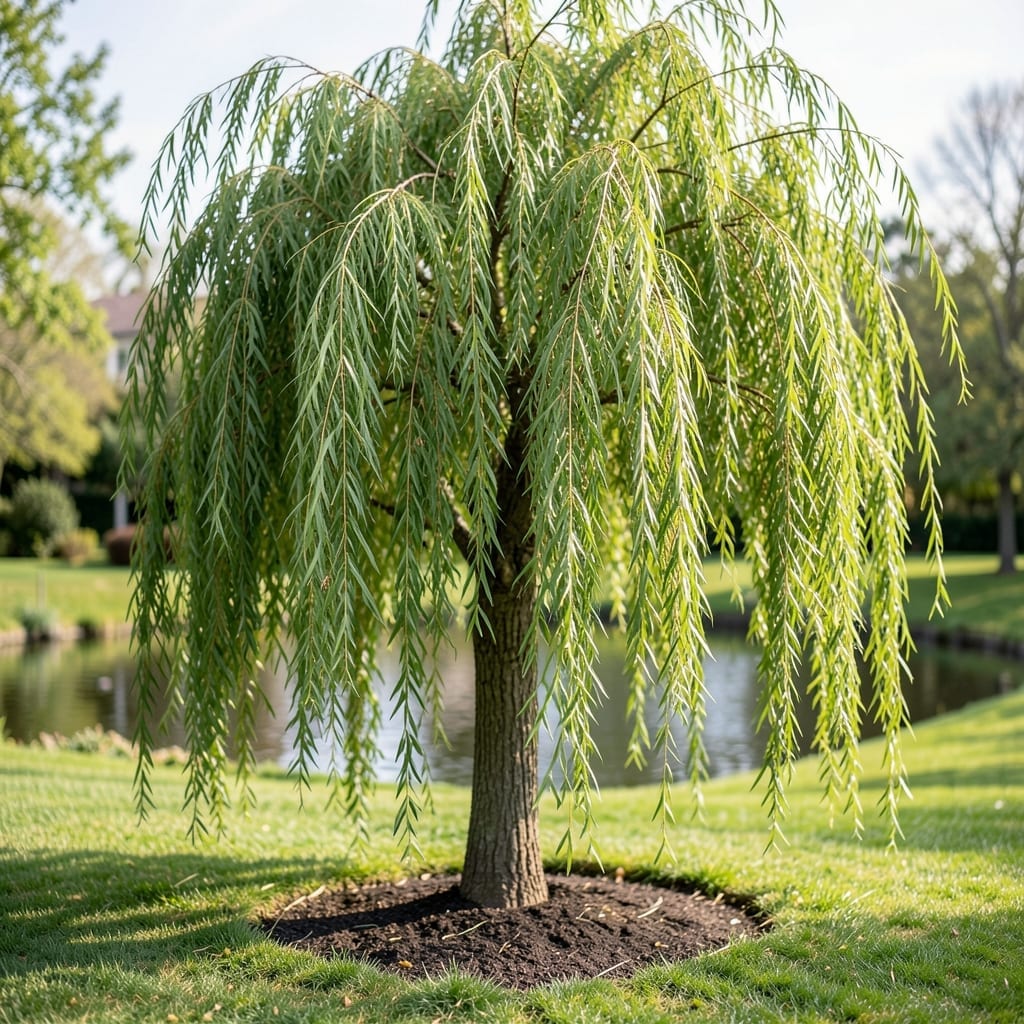
There’s something magical about watching a Weeping Willow Tree 🌳 transform your landscape in just a few years. This graceful giant grows faster than most shade trees, but that speed brings unique challenges.
From its delicate drooping branches to its impressive height, understanding its growth pattern helps you plan for proper spacing and care. Whether you’re planting for beauty or shade, knowing what to expect each year makes all the difference.
I’ll walk you through the year-by-year development, the factors that influence its pace, and how to keep it healthy as it matures. Let’s get started.


If you’re planting a Weeping Willow, brace yourself for rapid changes. This tree doesn’t just grow—it shoots up faster than most landscape trees, adding 6-10 feet in its first year alone with proper care.
By year two, you’ll see it reach 12-15 feet, and by year three, it can hit 18-25 feet. That’s why understanding its yearly progression is key to planning your space and maintenance.
| Year | Height Range | Key Development |
|---|---|---|
| 1 | 6-10 ft | Establishes root system |
| 2 | 12-15 ft | Branches begin weeping |
| 3 | 18-25 ft | Full canopy development |
| 5+ | 30-50 ft | Mature height reached |
After the first three years, growth slows slightly but remains impressive. Your Weeping Willow will continue adding 3-6 feet annually until it reaches maturity between 30-50 feet tall.
Its spread is equally dramatic, often matching its height. Those iconic drooping branches can extend 30-40 feet wide, creating a stunning, sweeping silhouette.
I recommend planting it where it has plenty of space to grow. Near ponds or streams is ideal, as these trees thrive in moist soil and need consistent water access.
Remember, this rapid growth means you’ll need to prune regularly. Early pruning helps establish a strong structure and prevents weak branches from forming.
In ideal conditions—full sun and rich, moist soil—your Weeping Willow may even exceed these growth rates. I’ve seen some specimens add 8 feet in a single growing season!
Keep an eye on its seasonal patterns. Most growth occurs in spring and early summer, with a slower pace in late summer and fall. This makes early season care especially important.
With proper attention, your Weeping Willow will become a stunning focal point in just a few years, offering both beauty and shade to your landscape 🌳
Several key variables influence how fast your Weeping Willow grows. I’ve found that soil quality tops the list—these trees thrive in rich, moist soil with good drainage. Clay or sandy soils often slow their progress significantly.
Water availability is another critical factor. Since Weeping Willows are water-loving trees, consistent moisture—especially in the first few years—fuels their rapid growth. Drought conditions can stunt development dramatically.
Climate plays a huge role too. Weeping Willows grow fastest in USDA zones 4-9, where they enjoy warm summers and mild winters. In colder zones, growth may slow or pause during harsh winters.
Planting location matters more than you might think. Trees planted near ponds, streams, or irrigation systems often outpace those in drier areas. I always recommend choosing a spot with natural water access if possible.
Don’t underestimate the impact of regular care. Pruning, fertilizing, and monitoring for pests can make a noticeable difference in growth rate. I’ve seen neglected trees grow 30% slower than well-maintained ones.
Finally, remember that genetics matter. Some cultivars are naturally faster growers. If speed is your priority, ask your nursery for the fastest-growing varieties available in your area.
With the right conditions, your Weeping Willow can truly live up to its reputation as one of the fastest-growing shade trees around 🌳