
Beautiful Plants For Your Interior
Beautiful Plants For Your Interior
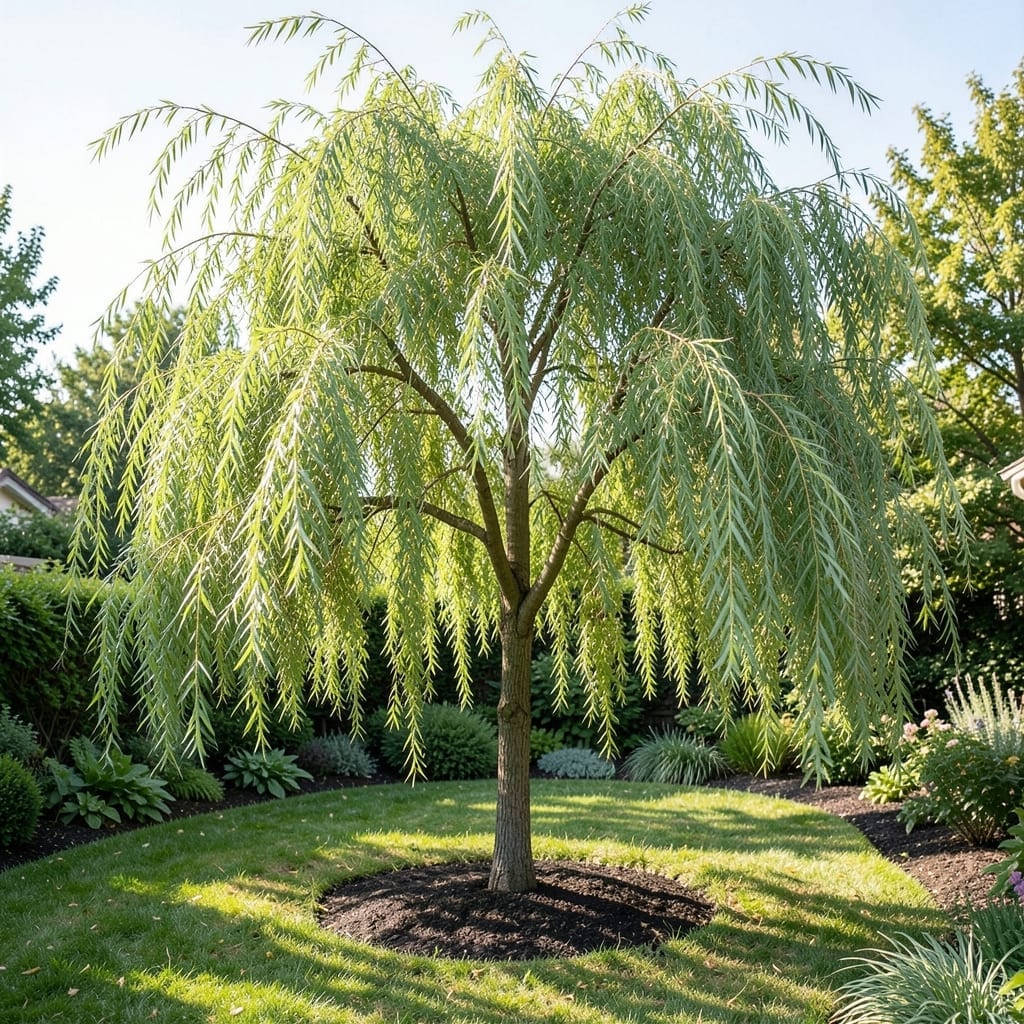
The weeping willow’s graceful, drooping branches can turn any landscape into a serene retreat—but its impressive height and rapid growth often surprise even experienced gardeners.
I remember planting my first 🌳 Weeping Willow, not realizing it would soon tower over my home. These majestic trees don’t just add beauty; they transform spaces with their dramatic presence.
If you’re considering adding one to your garden, understanding its potential size is crucial. From planting location to long-term care, every decision impacts how tall your tree will grow.
Discover what to expect and how to guide your Weeping Willow to its full, stunning potential.

If you’re considering planting a weeping willow, you’ll want to prepare for its impressive size. These trees typically reach 30 to 50 feet in height at maturity, making them one of the tallest deciduous trees you can grow in a home landscape.
Their rapid growth rate can add up to 8 feet per year under ideal conditions. This means you’ll see dramatic changes in just a few seasons, especially if the tree is planted in moist, well-drained soil with plenty of space to expand.
| Stage | Height Range | Notes |
|---|---|---|
| Year 1 | 6-10 ft | Fast initial growth |
| Year 3 | 18-25 ft | Branches begin drooping |
| Mature | 30-50 ft | Full canopy spread |
| Lifespan | 20-30 years | With proper care |
Soil quality plays a huge role in how tall your weeping willow will grow. These trees thrive in rich, loamy soil that retains moisture but doesn’t waterlog. If your soil is sandy or clay-heavy, amending it with organic compost can boost growth significantly.
Water access is another critical factor. Weeping willows are water-loving trees, so planting near a pond, stream, or irrigation system will help them reach their maximum height. Without consistent moisture, growth may slow, and the tree could stay smaller than expected.
Climate also influences height. In USDA zones 4-9, weeping willows grow vigorously, but in colder areas, they may stay slightly shorter. Conversely, in warmer regions with long growing seasons, they can exceed 50 feet if conditions are perfect.
If you want to control the height, regular pruning is key. I recommend trimming back the longest branches in late winter to maintain a manageable size. This won’t stop the tree from growing taller, but it will help shape its iconic weeping form.
For those with limited space, consider a dwarf variety like ‘Pendula’ or ‘Caprea.’ These cultivars typically max out at 6-10 feet, offering the same elegant look without overwhelming your yard.
Keep in mind that weeping willows have aggressive root systems. Plant them at least 50 feet away from buildings, sewers, or underground utilities to avoid damage. Their roots can spread as wide as the tree is tall!
With their graceful, sweeping branches and rapid growth, weeping willows are a stunning addition to any landscape. Just be sure you have the space to accommodate their towering presence and high water needs before planting. 🌳
If you’re planting a weeping willow, knowing its 20-30 year lifespan helps you plan for decades of beauty. These trees grow rapidly but need consistent care to reach their full 30-50 foot height potential. 🌳
Proper pruning and maintenance are key to maximizing growth. I always recommend annual pruning in late winter to remove dead branches and shape the canopy. This keeps the tree healthy and encourages strong vertical growth.
🌱 Key Takeaway
Weeping willows live 20-30 years with proper care. Prune annually, monitor for pests, and ensure consistent moisture for optimal height growth.
Watch for common issues like aphids or leaf blight, which can stunt growth. I’ve found that regular inspections and early treatment with neem oil work wonders. Also, ensure the soil stays moist but well-drained to prevent root rot.
For long-term health, I suggest mulching around the base to retain moisture and suppress weeds. This simple step can make a big difference in your tree’s ability to grow tall and strong. Apply mulch in spring and fall for best results.
Remember, a healthy weeping willow isn’t just about height—it’s about creating a thriving ecosystem in your garden. With the right care, your tree will provide shade and beauty for generations. ✂️
Finally, avoid planting near structures or underground utilities, as the aggressive root system can cause damage. Always give these trees plenty of space to grow unobstructed. 🌿