
Beautiful Plants For Your Interior
Beautiful Plants For Your Interior
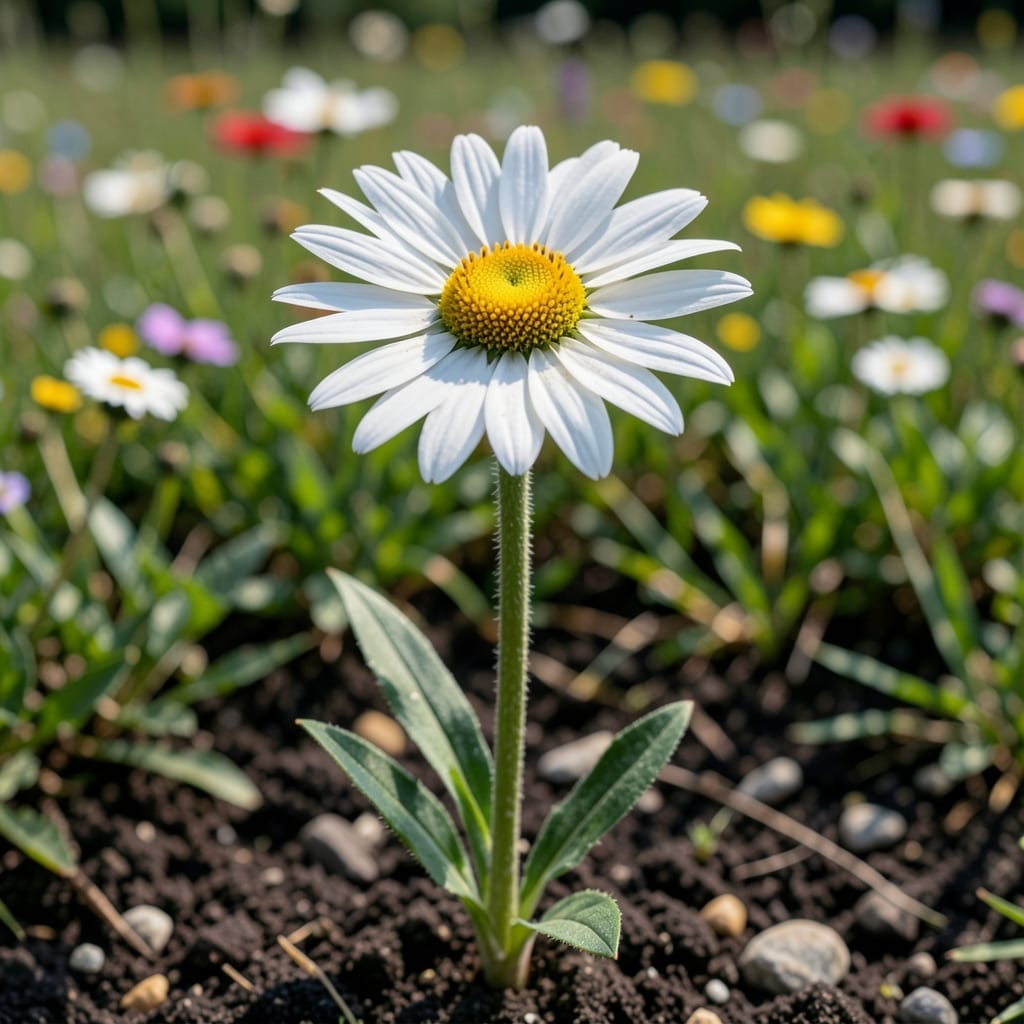
Those little white blooms popping up everywhere aren’t just weeds. I used to pull them all, until I realized some have benefits that surprise most gardeners.
Daisy-like flowers can be stubborn invaders or pollinator magnets—knowing the difference saves hours of frustration. The key is in the leaves and growth habit, not just the flowers.
With a little observation, you’ll spot which ones to keep for bees and butterflies and which to remove before they take over. Some even make great ground covers.
Works in any garden, whether you’re fighting a lawn takeover or just want to encourage the right wild blooms. Here’s what to watch for.
Those daisy-like weeds popping up in your garden or lawn aren’t just random invaders—they thrive for specific biological and environmental reasons. Here’s why these resilient plants appear and spread so easily:
Many weeds with daisy-like flowers, such as oxeye daisy (Leucanthemum vulgare) or chamomile (Matricaria chamomilla), produce lightweight seeds designed for travel. Wind carries them far from the parent plant, while birds or small mammals may inadvertently transport seeds after feeding. This natural dispersal makes it easy for them to colonize new areas, including your carefully tended garden beds.
These plants are masters of survival. They often have deep taproots or rhizomatous systems, allowing them to access water and nutrients efficiently—even in poor or compacted soil. Some, like Bellis perennis (common daisy), tolerate frequent mowing, which actually encourages their low-growing, spreading habit. Their adaptability lets them outcompete more delicate ornamental plants.
Weeds with daisy-like blooms frequently appear in disturbed or bare soil, such as newly tilled garden plots or lawns with thin grass. These conditions reduce competition from other plants, giving weeds the perfect opportunity to take root. Additionally, many of these species prefer full sun and can thrive in areas where other plants might struggle, such as dry, sandy, or nutrient-poor soils.
In their native habitats, these plants may be kept in check by specific insects or diseases. However, in new regions where they’ve been introduced (often accidentally), they face fewer natural enemies. Without predators or pathogens to limit their growth, they can spread rapidly, forming dense patches that crowd out other vegetation.
Dealing with daisy-like weeds in your garden doesn’t have to be a battle. With the right approach, you can keep them in check while preserving the charm of your outdoor space. Here’s how to tackle common issues:
If these wild blooms are crowding your prized plants, hand-pulling is the simplest fix. Grab the base of the weed and pull gently but firmly to remove the roots. For stubborn patches, use a daisy grubber or small trowel to dig them out. Prevention tip: Apply a layer of mulch to suppress new growth and retain moisture for your desired plants.
For daisy-like weeds invading your lawn, mow high (3–4 inches) to shade the soil and discourage germination. If they persist, spot-treat with vinegar-based herbicide (1 gallon vinegar + 1 cup salt + 1 tbsp dish soap) for a natural solution. Prevention tip: Overseed bare spots in your lawn to outcompete weeds.
While these flowers attract bees, they can become invasive. If you want to limit their spread, deadhead the blooms before they seed. Collect and dispose of the seed heads in a sealed bag. Prevention tip: Plant native alternatives like black-eyed Susans to divert pollinators.
Pro tip 💡: Regularly inspect your garden for early signs of these weeds. Catching them young makes removal easier and prevents them from establishing deep roots.
Check the leaves—weedy types often have jagged or lobed leaves and grow in clumps. True daisies have smooth, spoon-shaped leaves. Weeds also spread aggressively, while garden daisies stay in neat mounds.
If you leave roots behind, some species like oxeye daisy will regrow. Pull when soil is moist for best results, and remove all root fragments. For deep roots, dig with a trowel.
Not always! Many attract pollinators and improve soil. But some, like mock strawberry, can choke out other plants. Observe their behavior before deciding to remove them.