
Beautiful Plants For Your Interior
Beautiful Plants For Your Interior
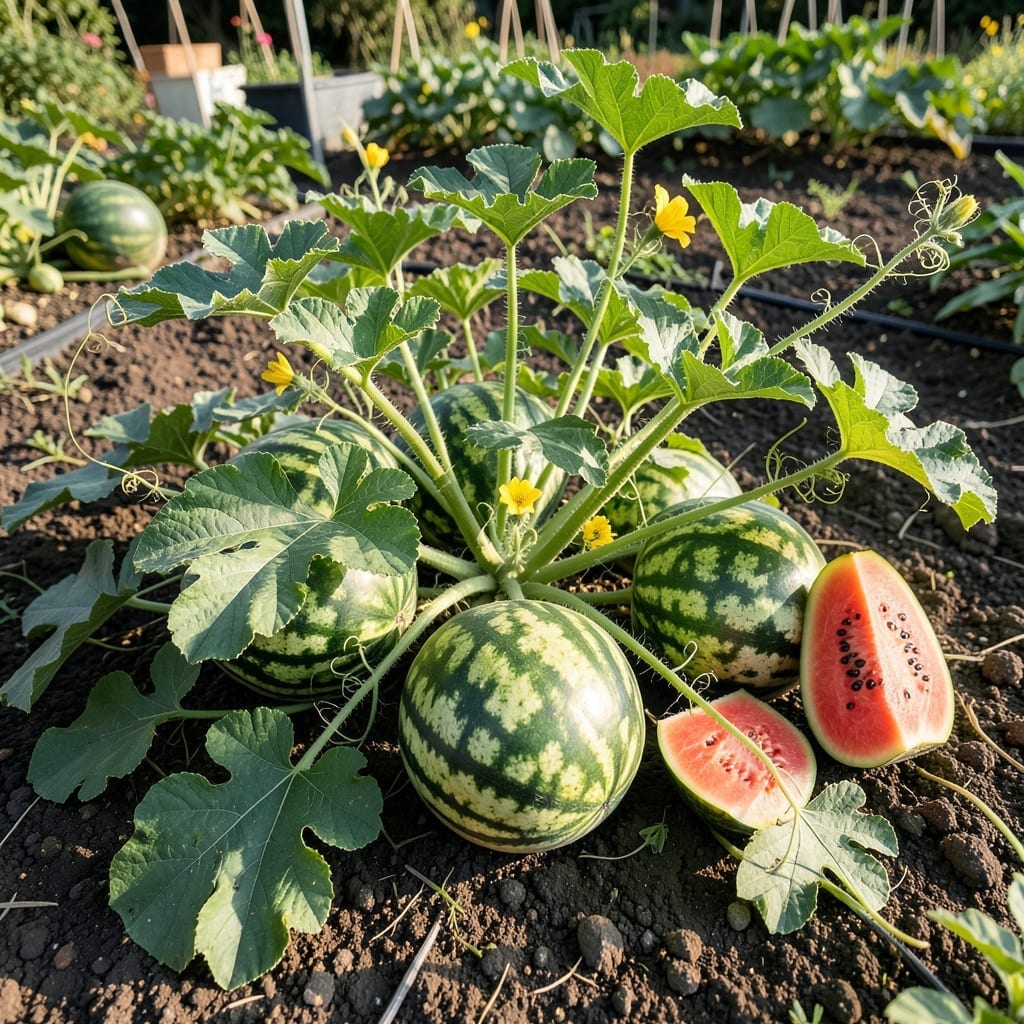
Nothing beats the disappointment of cutting into a Watermelon only to find it underripe or overripe. 🍉 I’ve been there, staring at a pale, tasteless slice wondering where I went wrong.
Mastering the ripening stages is the key to harvesting perfect fruit every time. Whether you’re a seasoned gardener or just starting out, understanding these signs will transform your harvest.
From the subtle color shifts to the telltale sounds, I’ll walk you through exactly what to look for. These are the same methods I’ve used to pick sweet, juicy watermelons year after year.
Let’s dive into the simple yet effective techniques that will have you harvesting like a pro this season. Your taste buds will thank you.
I’ve found that watermelon ripening follows a clear progression, and recognizing each growth stage helps gardeners time their harvest perfectly. Watermelons don’t ripen further once picked, so timing is everything.
The journey begins at pollination, when flowers transform into tiny fruits. These young watermelons start green and firm, growing rapidly with consistent water and sunlight. ☀️
| Stage | Visual Changes | Physical Signs |
|---|---|---|
| Pollination | Tiny green fruits form | Firm, grows rapidly |
| Early Growth | Smooth green rind | Hard, no sweetness |
| Maturing | Rind loses shine | Tendrils near stem brown |
| Ripe | Dull rind, cream underside | Deep sound when thumped |
During the early growth stage, watermelons focus on size development. The rind remains shiny and smooth, and the fruit feels heavy for its size. This is when consistent watering is critical.
As watermelons enter the maturing stage, the rind color shifts slightly, losing its glossy appearance. The tendrils closest to the stem begin to dry and turn brown, a key indicator of progress.
In the final ripe stage, the ground spot (where the melon touches soil) changes from white to cream or yellow. The rind becomes dull rather than shiny, signaling peak sweetness inside.
I always check the stem end too. A dried, shriveled stem confirms the fruit has stopped drawing nutrients. This is nature’s way of saying, “I’m ready!” 🌱
Remember, size alone doesn’t indicate ripeness. A small watermelon can be perfectly ripe, while a large one might still need time. Focus on the visual and tactile cues instead.
For best results, I check my watermelons every few days as they near maturity. The transition from maturing to ripe can happen quickly, especially in hot weather. 🌡️
By understanding these four distinct stages, you’ll never again wonder if your watermelon is ready. It’s all about observing the subtle changes in rind, tendrils, and sound.
I always check the ground spot first—it should turn from white to cream or yellow when ripe. This is the part of the watermelon that rests on the soil, and its color change is a reliable sign of maturity.
The thumping technique is another favorite of mine. A deep, hollow sound means it’s ready, while a high-pitched tone indicates it needs more time on the vine. ☀️
I also examine the tendrils near the stem. When they turn brown and brittle, the watermelon is likely at peak ripeness. This is a subtle but very effective clue for gardeners.
The rind color shifts from shiny to dull and matte as it ripens. If it still looks glossy, give it a few more days on the vine. This visual cue is often overlooked but very telling.
For best results, I use multiple tests together. Relying on just one method can lead to mistakes, especially for beginners. Combining color, sound, and tendril checks ensures accuracy. 🌱
Remember, size isn’t everything. A small watermelon can be perfectly ripe while a large one might still be green inside. Always use these sensory tests for the best harvest timing.