
Beautiful Plants For Your Interior
Beautiful Plants For Your Interior
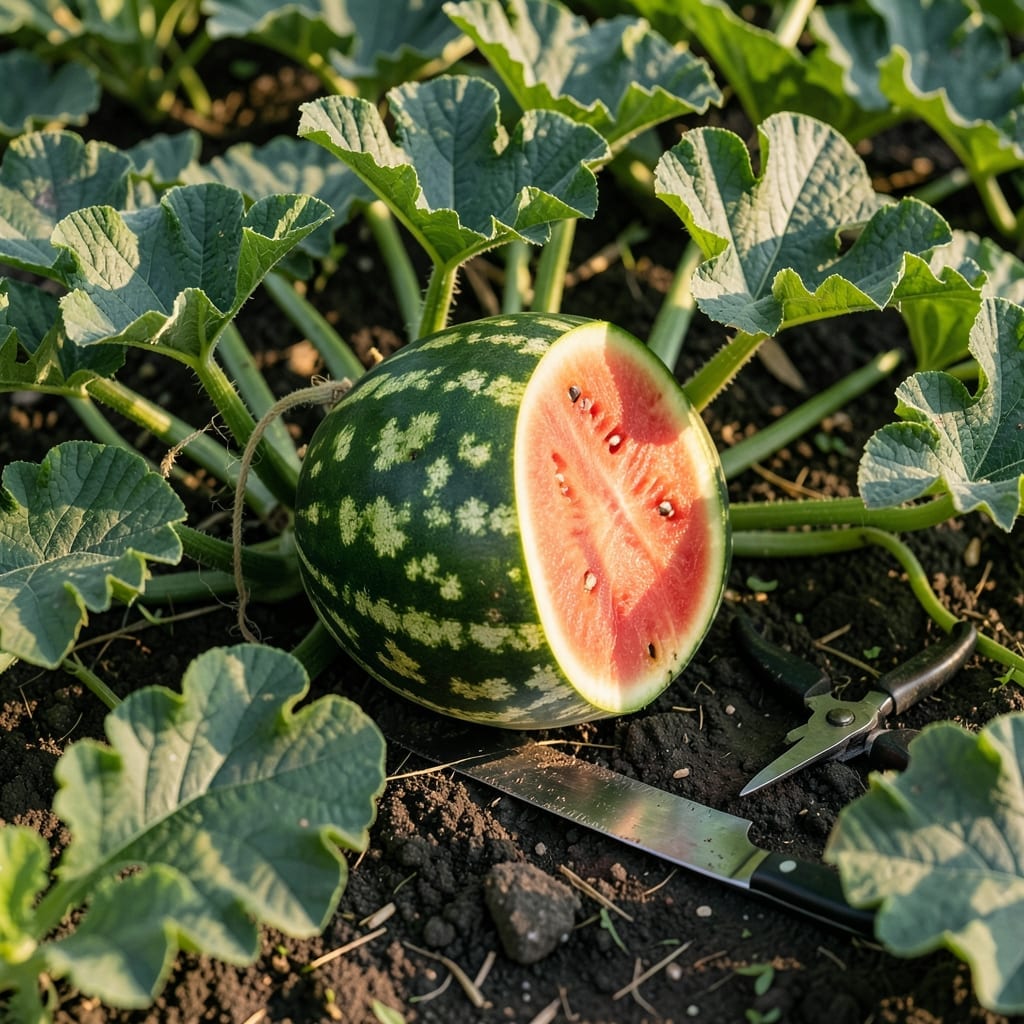
Nothing ruins summer like cutting into a 🍉 Watermelon that’s underripe—or worse, overripe. I’ve been there, staring at a pale, hard melon wondering where I went wrong.
Mastering the Watermelon ripe test means no more guesswork at harvest time. With a few simple checks, you can pick perfectly sweet, juicy melons every single time.
I’ll show you the field-proven methods that gardeners and farmers rely on. These aren’t just old wives’ tales—they’re backed by years of hands-on experience.
Discover how to use your senses to spot the most important signs of ripeness. Your taste buds will thank you later.

I’ve tested countless methods for the watermelon ripe test, and some stand out as foolproof. These techniques work whether you’re in your garden or at the farmers’ market.
Each method taps into different senses—sound, touch, and sight—to confirm ripeness. Let’s break them down so you can use them with confidence.
The thump test is my go-to because it’s quick and reliable. Hold the melon in one hand and tap it firmly with the other. A ripe one will produce a deep, resonant sound.
If it sounds flat or dull, it’s likely underripe. A high-pitched, metallic sound means it’s overripe. This method works best with larger varieties like Crimson Sweet or Sugar Baby.
Next, check the field spot, the area where the melon rested on the soil. An unripe watermelon will have a white or pale green spot. As it ripens, this spot turns cream or yellow.
The stem check is simple but often overlooked. Look at the tendril closest to the stem. If it’s still green, the melon isn’t ready. Once it turns brown and brittle, you’re good to go.
For the rind test, gently press your fingernail into the rind. If it resists penetration and feels hard, the melon is ripe. A soft or shiny rind means it needs more time.
Finally, the weight test is all about feel. Pick up a few melons of similar size and compare. The ripe one will feel significantly heavier because it’s full of juice.
I recommend using at least two methods together for the most accurate results. For example, combine the thump test with the field spot check to be sure.
These tests work for most varieties, but always consider the specific type you’re growing. Seedless watermelons, for instance, can be trickier to judge.
I’ve seen even experienced gardeners make critical errors when testing watermelon ripeness. The biggest mistake? Relying on size alone. A large watermelon isn’t necessarily ripe, and a small one might be perfect.
Another common pitfall is ignoring the field spot, that area where the melon rests on the ground. This is one of the most reliable indicators of ripeness, yet many overlook it entirely.
⚠️ Avoid These Ripeness Check Mistakes
Many also misinterpret thump sounds. A ripe watermelon should produce a deep, hollow sound, but this takes practice to distinguish from an immature melon’s higher-pitched response.
Don’t forget that weather conditions significantly affect ripening. Hot, sunny days accelerate maturity, while cool, cloudy weather can slow it down. Always adjust your expectations based on recent conditions.
I always remind fellow gardeners to check multiple signs. Relying on just one method often leads to disappointment. Combine the tendril check, field spot color, and thump test for the most accurate results.
Finally, avoid harvesting too early in the day. Watermelons are best picked in the late morning after the dew has dried but before the heat of midday sets in. This timing helps preserve the fruit’s natural sugars.