
Beautiful Plants For Your Interior
Beautiful Plants For Your Interior
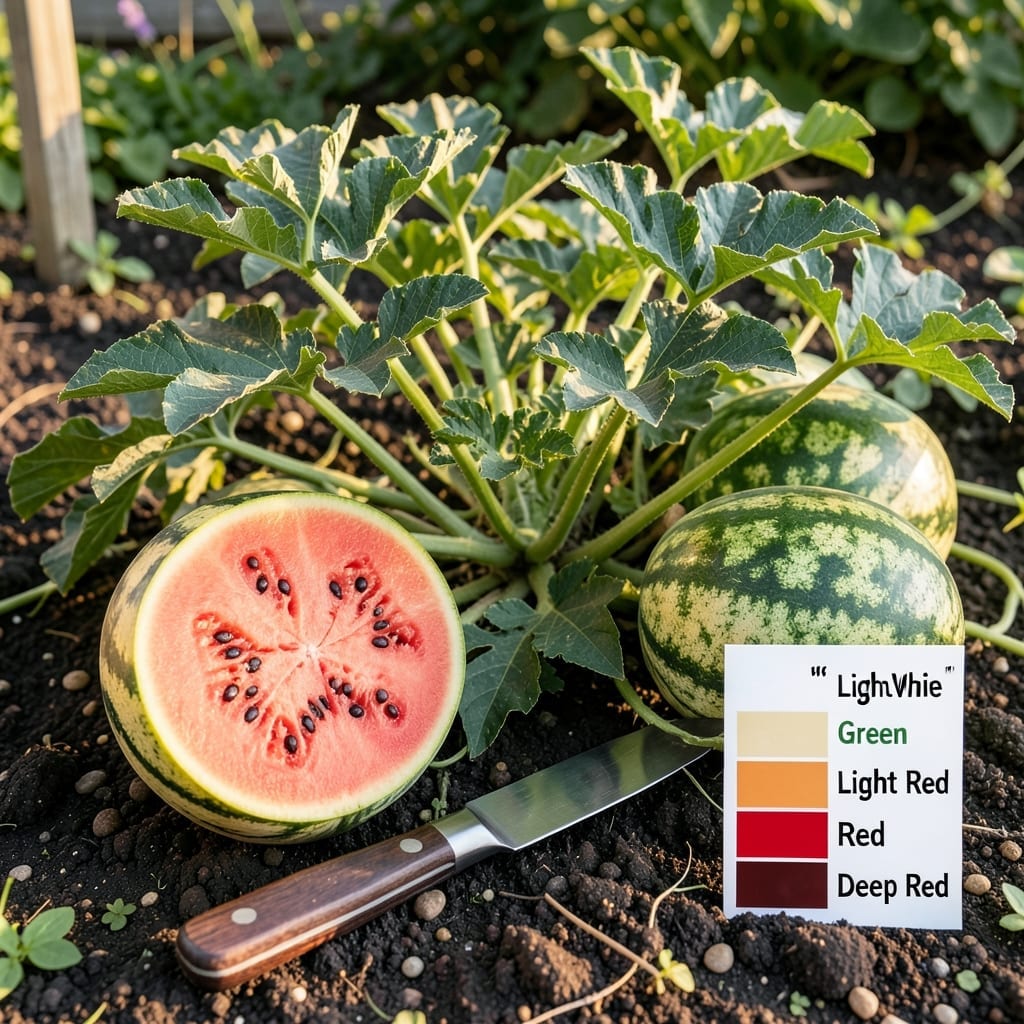
Nothing ruins summer like cutting into a 🍉 Watermelon that’s either rock-hard or mushy inside. I’ve been there, and it’s frustrating every time.
What if you could guarantee perfect ripeness before the first slice? The solution lies in understanding the subtle signs nature gives us.
After years of trial and error, I’ve learned to spot the most reliable indicators of a ready-to-eat Watermelon. It’s easier than you think.
Let me walk you through the field-tested clues that take the guesswork out of harvesting. You’ll never second-guess again.

I’ve learned that picking the perfect watermelon is all about reading the visual and physical cues. The rind, tendrils, and ground spot tell a story about ripeness. Dull rind color often signals it’s ready to harvest.
Another key indicator is the ground spot, where the fruit touches the soil. A cream or yellow spot means it’s ripe, while white or pale green suggests it needs more time.
| Sign | Ripe Condition | Not Ready Condition |
|---|---|---|
| Rind Color | Dull green or yellowish | Shiny green |
| Ground Spot | Cream or yellow | White or pale green |
| Tendril | Brown and dry | Green and flexible |
| Rind Texture | Hard and rough | Smooth and soft |
| Stem Condition | Dry and shriveled | Green and moist |
The tendril near the stem is another reliable sign. When it turns brown and dry, the watermelon is usually ripe. This is one of the most accurate indicators I’ve found in my garden.
Don’t forget to check the rind texture. A ripe watermelon will have a hard and rough surface. If it feels smooth or soft, it’s likely not ready for harvesting yet.
The stem condition also provides clues. A dry and shriveled stem often means the fruit is ripe. If the stem is still green and moist, the watermelon needs more time on the vine.
I always recommend checking multiple signs before harvesting. A combination of dull rind, cream ground spot, and dry tendril is a strong indicator of ripeness.
Remember, size alone isn’t enough. A large watermelon might still be unripe, while a smaller one could be perfectly sweet. Always rely on the physical signs we’ve discussed.
For best results, harvest in the morning when the fruit is cool. This helps preserve its freshness and flavor. I’ve found this timing makes a noticeable difference in taste.
With these tips, you’ll be able to confidently pick the sweetest, juiciest watermelons from your garden every time 🌱
I love using the tap test to check if my watermelons are ready. A deep, hollow sound when tapped means it’s ripe, while a dull thud signals it needs more time.
Another trick is comparing weight between similar-sized melons. The heavier one is usually riper because it’s full of juice and sugar.
The scratch test is my go-to for quick verification. If my fingernail struggles to leave a mark, the rind is tough and ready.
Remember, morning harvesting gives the best flavor. The cool temperatures help preserve the sweetness and crisp texture.
I also avoid harvesting right after rain or heavy watering. The extra moisture can dilute the sugar content, making it less sweet.
Finally, trust your senses—a ripe watermelon will have a sweet smell at the stem end. This is a reliable sign of ripeness. 🌱