
Beautiful Plants For Your Interior
Beautiful Plants For Your Interior
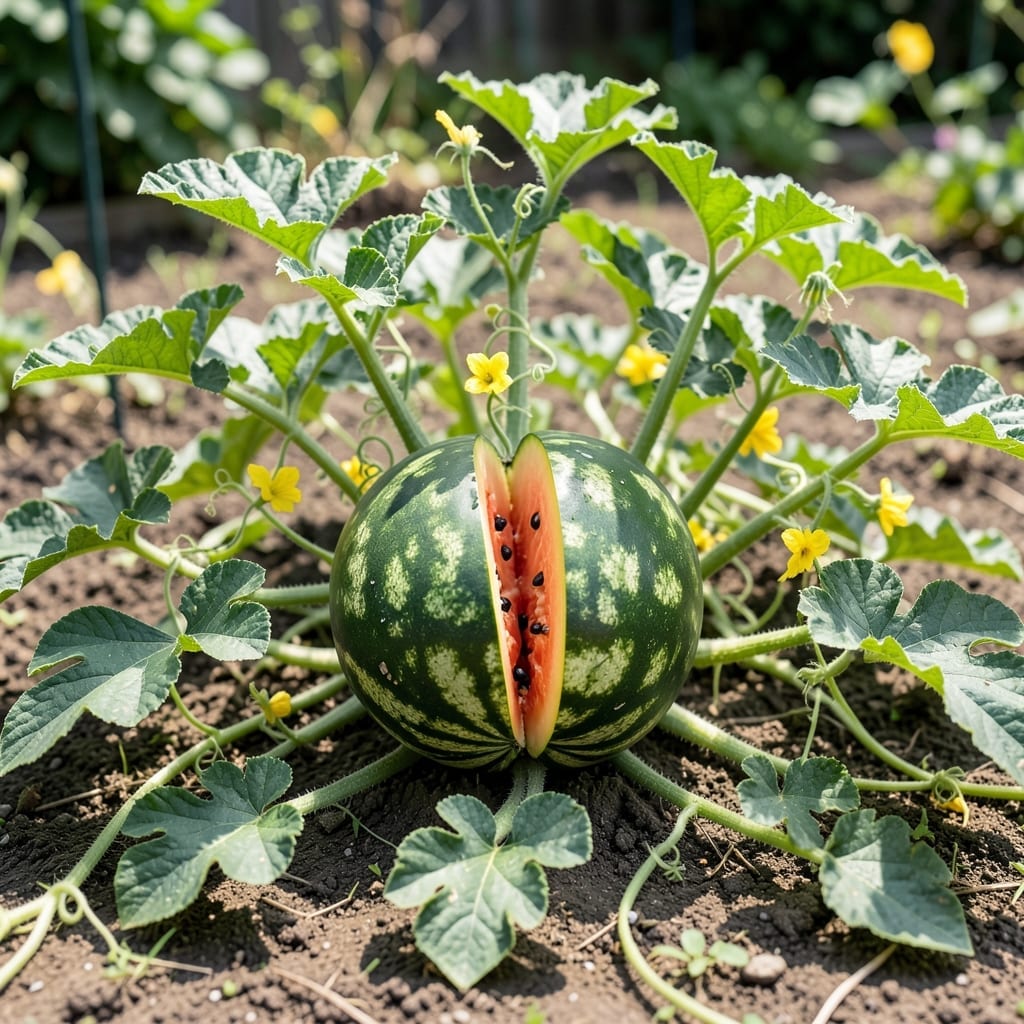
Imagine biting into a fruit that blends the juicy crunch of watermelon with the rich sweetness of cantaloupe. That’s exactly what the 🍉 Watermelon Cantaloupe Hybrid offers gardeners.
This unique cross brings together the best of both worlds, creating a flavor experience you won’t find in stores. Growing it yourself means enjoying this specialty fruit at its peak ripeness.
While it requires some specific care, the rewards are well worth the effort. I’ll walk you through everything you need to know to cultivate this delicious hybrid successfully.
Discover how to create the perfect growing conditions and enjoy a bountiful harvest of these extraordinary melons in your own backyard.
I love how the watermelon cantaloupe hybrid brings together the best of both worlds. This unique cross offers the juicy texture of watermelon with the sweet aroma of cantaloupe, creating a flavor that’s truly special in any garden.
As a Cucurbitaceae family member, this hybrid thrives in warm climates. It typically produces round to oval fruits with a striped or netted rind, depending on the dominant parent traits. The vines spread aggressively, so I always give them plenty of space.
| Trait | Specification |
|---|---|
| Plant Type | Annual vine |
| Sun Needs | Full sun (6-8 hours) |
| Soil pH | 6.0-6.8 |
| Mature Size | 1-2 ft tall, 6-10 ft spread |
| Days to Harvest | 70-100 days |
The flavor profile is where this hybrid shines. You’ll taste the crisper texture of watermelon with the floral notes of cantaloupe. I’ve found the flesh is usually orange or pink, depending on which parent dominates genetically.
For successful growth, I always start seeds indoors 3-4 weeks before the last frost when growing in cooler zones. The soil must be at least 70°F for germination, which is why I use a heat mat for early starts.
Pollination is crucial for fruit set. I plant near bee-friendly flowers to attract pollinators. Unlike some hybrids, this one is not self-pollinating, so it needs help from bees or manual pollination.
The vines grow rapidly in warm weather, often reaching 6-10 feet in length. I recommend trellising to save space and improve air circulation, which helps prevent fungal diseases common in melons.
Watering is key—1-2 inches per week is ideal, but I reduce water as harvest approaches to concentrate sugars. The fruits typically ripen in 70-100 days, with the first harvest ready in mid-summer.
I’ve noticed these hybrids often produce smaller fruits than standard watermelons but with higher sugar content. The plants are generally disease-resistant, though I still monitor for powdery mildew and cucumber beetles.
For the best flavor, I harvest when the tendril nearest the stem turns brown and the rind changes from shiny to dull. The fruit should sound hollow when tapped and separate easily from the vine.
This hybrid is perfect for gardeners who want unique flavors and don’t mind giving the vines room to roam. With proper care, you’ll be rewarded with sweet, aromatic fruits that are a conversation starter at any garden gathering 🌱
I’ve found that timing is everything when planting these hybrid seeds. Start them indoors 3-4 weeks before the last frost if you live in cooler zones, or direct sow after soil reaches 70°F in warmer areas.
The soil must be well-draining and rich in organic matter. I always amend my beds with compost before planting to give the seeds a nutritious start 🌱
Once planted, these hybrids need full sun for 6-8 hours daily. I position my beds to catch morning sunlight, which helps dry the leaves and prevent fungal issues.
Watering should be deep and infrequent—about 1-2 inches per week. I water in the early morning to allow foliage to dry before evening, reducing disease risk.
For best results, I fertilize lightly at planting with a balanced 10-10-10 formula, then again when vines start running. This gives the plants the nutrients they need without overstimulating leaf growth at the expense of fruit.
The vines will spread 6-10 feet, so I plan my garden layout accordingly. If space is limited, a sturdy trellis works well—just be sure to support the developing fruits with slings or netting.
With proper care, you’ll see the first flowers in about 6-8 weeks, followed by fruit set. The entire process from seed to harvest typically takes 70-100 days ☀️