
Beautiful Plants For Your Interior
Beautiful Plants For Your Interior
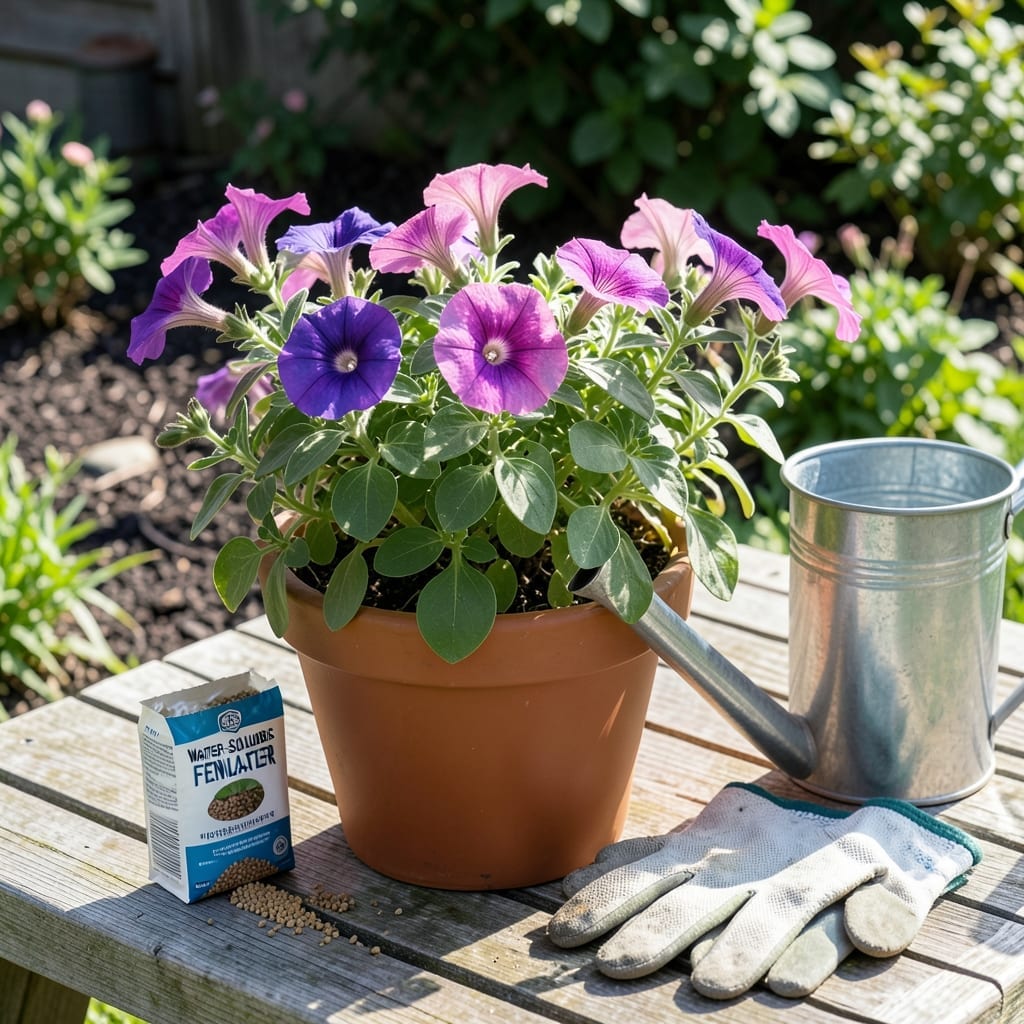
Want your 🌸 Petunias to explode with color this season? The secret lies in how you feed them. Water soluble options deliver nutrients straight to the roots, giving you faster, more vibrant blooms.
I’ve tested countless methods, and this approach consistently outperforms others. Whether you’re growing in containers or garden beds, the right feeding strategy makes all the difference.
Discover how to transform your Petunias from ordinary to extraordinary with simple, effective techniques that any gardener can master.


Selecting the right water soluble fertilizer can make or break your petunias’ performance. I always look for a balanced NPK ratio like 20-20-20, but for maximum blooms, choose one with higher phosphorus content. ☀️
The best formulas include micronutrients like iron and magnesium. These prevent yellowing leaves and promote vibrant flower colors. For organic gardeners, seaweed or fish-based options work wonderfully. 🌿
| Fertilizer Type | NPK Ratio | Best For |
|---|---|---|
| Balanced | 20-20-20 | General growth |
| Bloom Booster | 10-30-20 | More flowers |
| Organic | 5-5-5 | Eco-friendly |
For container-grown petunias, I recommend a liquid fertilizer that’s easy to mix. These plants need frequent feeding because nutrients wash out quickly with regular watering. Look for slow-release options if you prefer less frequent application. 🪴
The pH level of your water matters too. Petunias prefer slightly acidic to neutral soil (6.0-7.0 pH). If your tap water is alkaline, consider using rainwater for mixing your fertilizer solution.
I’ve found that powdered fertilizers often provide better value. They’re more concentrated and last longer than liquid versions. Just be sure to dissolve completely before applying to avoid burning your plants.
For garden beds, granular fertilizers can work but require more effort. You’ll need to water them in thoroughly. I prefer water soluble for its immediate availability to plants and precise control over nutrient delivery.
Remember that more isn’t better with fertilizer. Overfeeding leads to leafy growth at the expense of flowers. Follow package instructions carefully, and when in doubt, use half strength for sensitive varieties.
In hot climates, I reduce the frequency but maintain the strength. The heat stresses plants, and too much fertilizer can burn roots. Early morning applications help prevent this issue.
Finally, rotate your fertilizers occasionally. This prevents nutrient imbalances in the soil. Alternate between a bloom booster and a balanced formula every few weeks for best results. 🌻
Applying water soluble fertilizer correctly ensures your petunias get the nutrients they need without stress. I always start by mixing the solution according to package instructions, typically 1 tablespoon per gallon of water. ☀️
The best time to feed is early morning when temperatures are cool. This allows the plants to absorb nutrients before the heat of the day. Avoid fertilizing in direct sunlight to prevent leaf burn. 🌿
For container petunias, I recommend fertilizing more often—about every 5-7 days. The frequent watering in pots washes out nutrients quickly, so consistent feeding keeps them thriving. 🪴
You can also use the foliar feeding method by spraying the solution directly on leaves. This works well for quick nutrient absorption, but be sure to rinse leaves afterward to prevent residue buildup.
Always check the weather forecast before applying. If rain is expected within 24 hours, wait to fertilize. Heavy rain can wash away the nutrients before your petunias can use them.
Finally, remember that less is often more. If you notice yellowing leaves or stunted growth, you might be over-fertilizing. In that case, flush the soil with plain water and reduce your feeding schedule. 🌻