
Beautiful Plants For Your Interior
Beautiful Plants For Your Interior
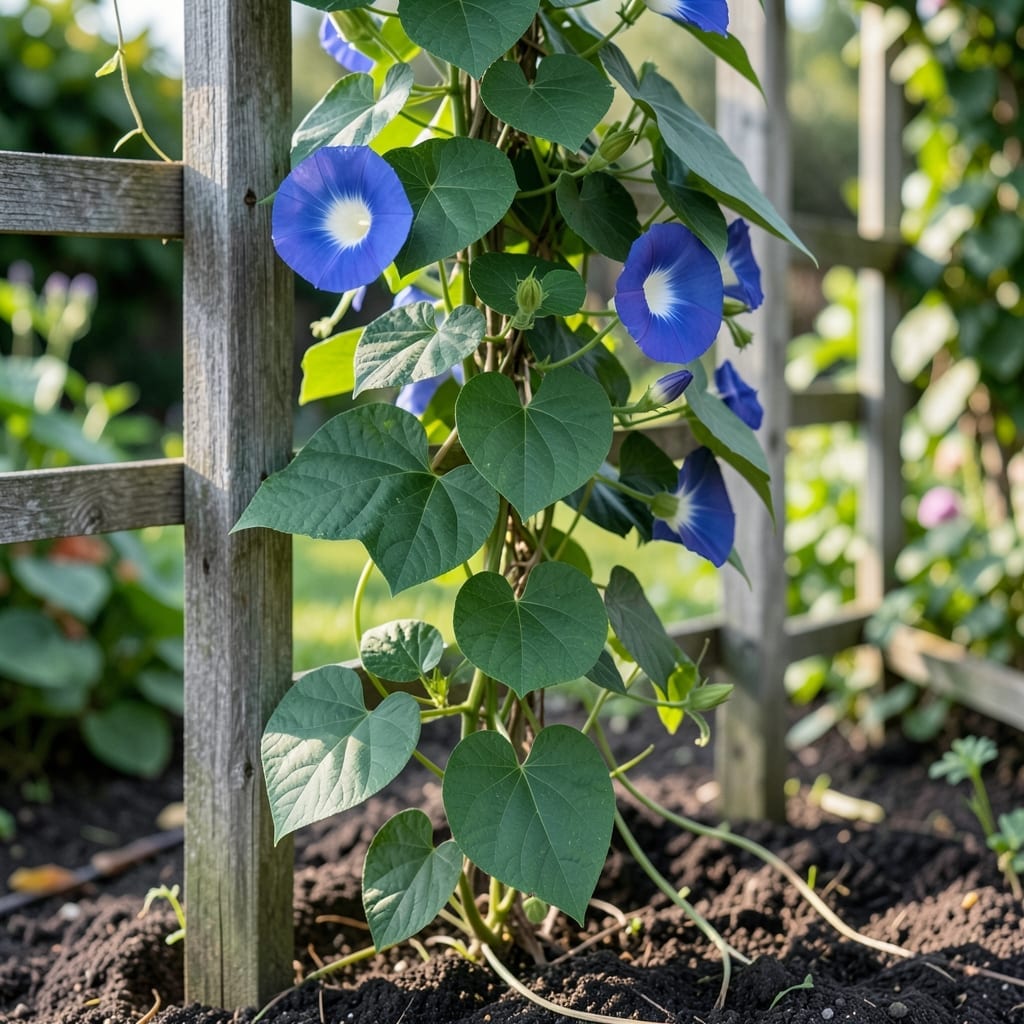
Nothing beats the first glimpse of vibrant blue blooms climbing your trellis. I’ve grown several vines over the years, and the ones with blue flowers always steal the show with their striking color and graceful growth.
These vines aren’t fussy—most thrive in full sun to partial shade and need just a little guidance to reach their potential. A sturdy support, well-draining soil, and consistent watering are all it takes to get them established.
Once they take off, you’ll be rewarded with a cascade of blue blossoms that attract pollinators and add a touch of magic to any space. They’re perfect for fences, arbors, or even containers on a patio.
From fast-growing morning glories to elegant clematis, there’s a blue-flowering vine for every garden. Here’s how to pick the right one and help it thrive.
The appearance of blue flowers on vines is primarily driven by natural biological and environmental factors. Here’s a breakdown of the key causes:
Many vines produce blue flowers due to anthocyanins, water-soluble pigments in plant cells. These compounds reflect blue light, creating the vibrant hue. Species like Clematis or Morning Glory are genetically programmed to synthesize these pigments, especially in petals, to attract pollinators like bees and butterflies.
Light exposure and temperature play a role. Cooler temperatures (50–60°F) can intensify anthocyanin production, enhancing blue tones. Full sun (6+ hours daily) also boosts pigment development, while shade may result in paler blooms. For example, Thunbergia grandiflora (Sky Vine) thrives in bright, indirect light to maintain its signature blue.
Soil acidity affects flower color. Blue hues often emerge in slightly acidic to neutral soil (pH 6.0–7.0). In alkaline soils (pH >7.5), the same vine might produce purple or pink flowers instead. Testing and amending soil with sulfur or peat moss can help maintain the desired blue.
Evolutionarily, blue flowers stand out against green foliage, making them more visible to pollinators. Vines like Wisteria or Passionflower leverage this color to increase fertilization success, ensuring species survival. The color signals nectar-rich blooms, a critical draw for insects and hummingbirds.
If your vine with blue flowers is struggling, these targeted fixes will help bring it back to life. Address the root causes with these practical steps and prevention tips.
Fix: Underwatering is often the culprit. Give your vine a deep soak until water drains from the bottom of the pot. For in-ground plants, water slowly to ensure the soil absorbs moisture.
Prevention: Check soil moisture weekly by sticking your finger 1-2 inches deep. Water when the top layer feels dry. Mulching helps retain moisture. 💡 Pro tip: Use a moisture meter for precision!
Fix: Overwatering or poor drainage can cause yellowing. Let the soil dry out slightly between waterings, and ensure pots have drainage holes. Trim affected leaves to redirect energy.
Prevention: Use well-draining soil and avoid saucers that trap water. Elevate pots to improve airflow.
Fix: For aphids or spider mites, spray the vine with a mix of water and mild soap. For severe cases, use neem oil or insecticidal soap, following package instructions.
Prevention: Inspect leaves regularly for early signs of pests. Encourage beneficial insects like ladybugs by planting companion flowers nearby.
Fix: Insufficient light or nutrients may be the issue. Move the vine to a sunnier spot (6+ hours of light daily) and fertilize with a balanced, water-soluble fertilizer every 4-6 weeks.
Prevention: Prune leggy growth to promote bushiness and more blooms. Deadhead spent flowers to encourage continuous blooming.
Morning glories and clematis are beginner-friendly choices. Morning glories grow quickly from seed and thrive in full sun, while clematis prefers partial shade and needs a trellis for support.
Soil pH or light levels may be affecting color. Blue blooms often require slightly acidic soil (pH 6.0–7.0) and 6+ hours of daily sunlight. Test your soil and adjust if needed.
Yes! Many blue-flowering vines, like sweet pea or thunbergia, do well in large pots with good drainage. Use a 12-inch or deeper container and provide a small trellis.
Water when the top 1–2 inches of soil feel dry. Most need consistent moisture but dislike soggy roots. Mulching helps retain moisture between waterings.