
Beautiful Plants For Your Interior
Beautiful Plants For Your Interior
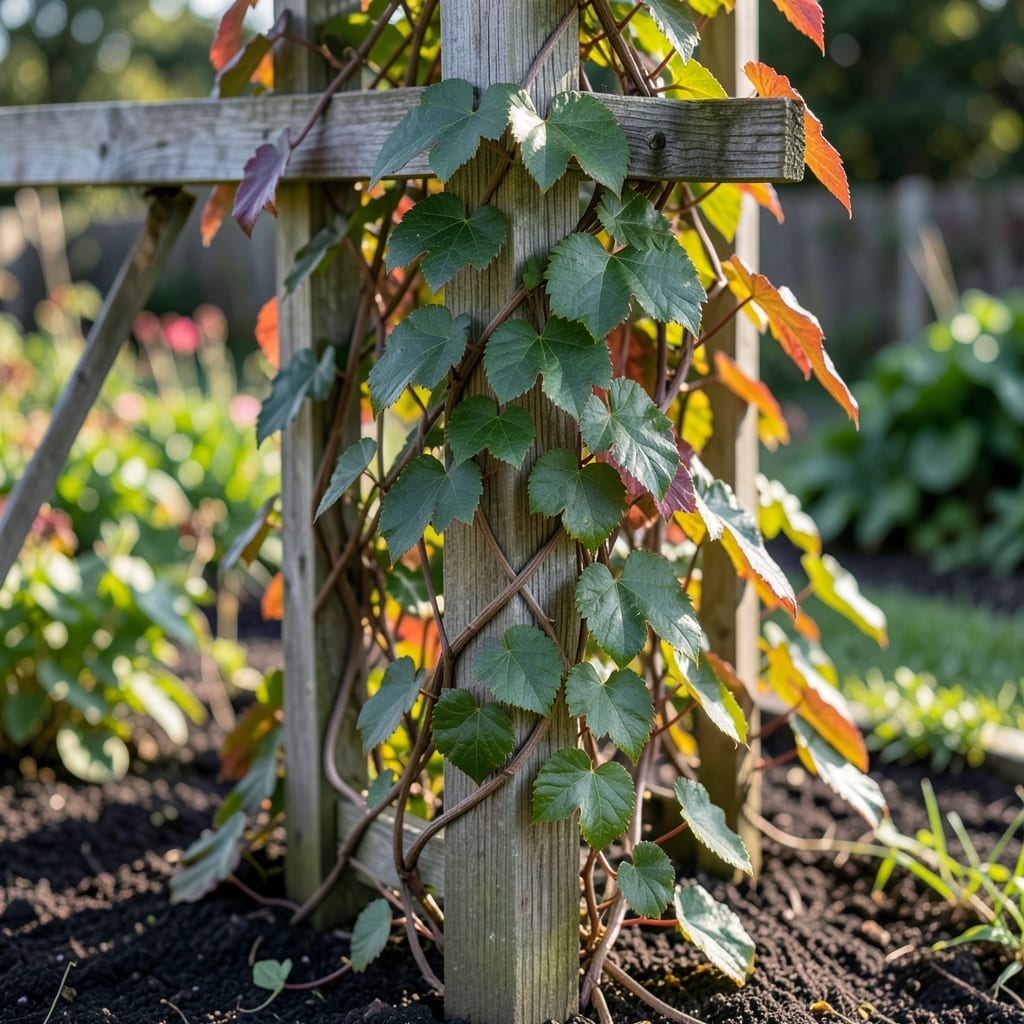
That vine with five glossy leaves caught my eye too. I spent a season tracking down its identity—turns out it’s likely a Mandevilla, a tropical stunner that climbs with enthusiasm.
It thrives in bright, indirect light and asks for well-draining soil. Water when the top inch feels dry, but don’t let it sit in soggy conditions. A little morning sun brings out the deepest shine in those leaves.
With minimal effort, you’ll get vigorous growth and a cascade of trumpet-shaped blooms by midsummer. It’s the kind of plant that makes neighbors stop and ask, “What is that?”
Perfect for trellises, fences, or containers on a patio. Here’s how to give it exactly what it needs.
The glossy appearance of a vine with five shiny leaves is often a natural adaptation, but several factors can enhance or cause this trait. Here’s why it happens:
Many plants, including certain vines, produce a cuticular wax layer on their leaves. This waxy coating serves as a protective barrier against water loss, UV radiation, and pests. The smooth, reflective surface scatters light, creating a shiny appearance. Vines like Hoya or Philodendron are known for this feature.
In environments with high humidity, some vines develop shinier leaves as a response to excess moisture. The leaves may appear more lustrous due to a thinner or more hydrated cuticle. This is common in tropical vines, which thrive in moist conditions.
Vines grown in bright, indirect light often develop shinier leaves to maximize light absorption. The reflective surface helps direct light toward the leaf’s chlorophyll, boosting photosynthesis. Conversely, low-light conditions may dull the shine as the plant conserves energy.
Some vines are genetically predisposed to glossy foliage. For example, the Epipremnum aureum (Pothos) often exhibits shiny leaves due to its natural genetics. If you’re growing a vine with consistently shiny leaves, it’s likely a characteristic of the species.
Growing a vine with glossy foliage can be rewarding, but even the healthiest plants run into trouble. Below are practical fixes for the most common problems, plus ways to keep them from coming back.
Cause: Overwatering or poor drainage.
Fix: Let the top inch of soil dry out between waterings. Repot in a container with drainage holes and use a well-draining potting mix. Trim affected leaves to redirect energy.
Prevention tip: 💡 Use a moisture meter to check soil before watering.
Cause: Spider mites, aphids, or mealybugs.
Fix: Wipe leaves with a damp cloth dipped in mild soapy water. For stubborn pests, apply neem oil or insecticidal soap weekly until gone.
Prevention tip: 🌿 Inspect new plants before bringing them home and keep foliage clean.
Cause: Too much direct sunlight.
Fix: Move the vine to bright, indirect light. If outdoors, provide afternoon shade. Trim crispy edges to encourage new growth.
Prevention tip: ✨ Rotate the plant occasionally for even light exposure.
Cause: Underwatering or low humidity.
Fix: Water thoroughly when the soil feels dry. Mist leaves daily or use a humidity tray to boost moisture in dry climates.
Prevention tip: 🎯 Group plants together to create a microclimate with higher humidity.
Water when the top 1 inch of soil feels dry. Typically, this means watering every 7-10 days in moderate climates. Always use well-draining soil to prevent root rot.
Yes! Place it near a window with bright, indirect light. A south or east-facing window is ideal. Rotate the pot occasionally for even growth and shiny foliage.
Dull leaves often indicate low humidity or dust buildup. Wipe leaves gently with a damp cloth and mist them regularly. Ensure it’s getting enough light without direct sun exposure.
Feed with a balanced liquid fertilizer every 4-6 weeks during the growing season. Reduce feeding in fall and winter when growth slows.