
Beautiful Plants For Your Interior
Beautiful Plants For Your Interior
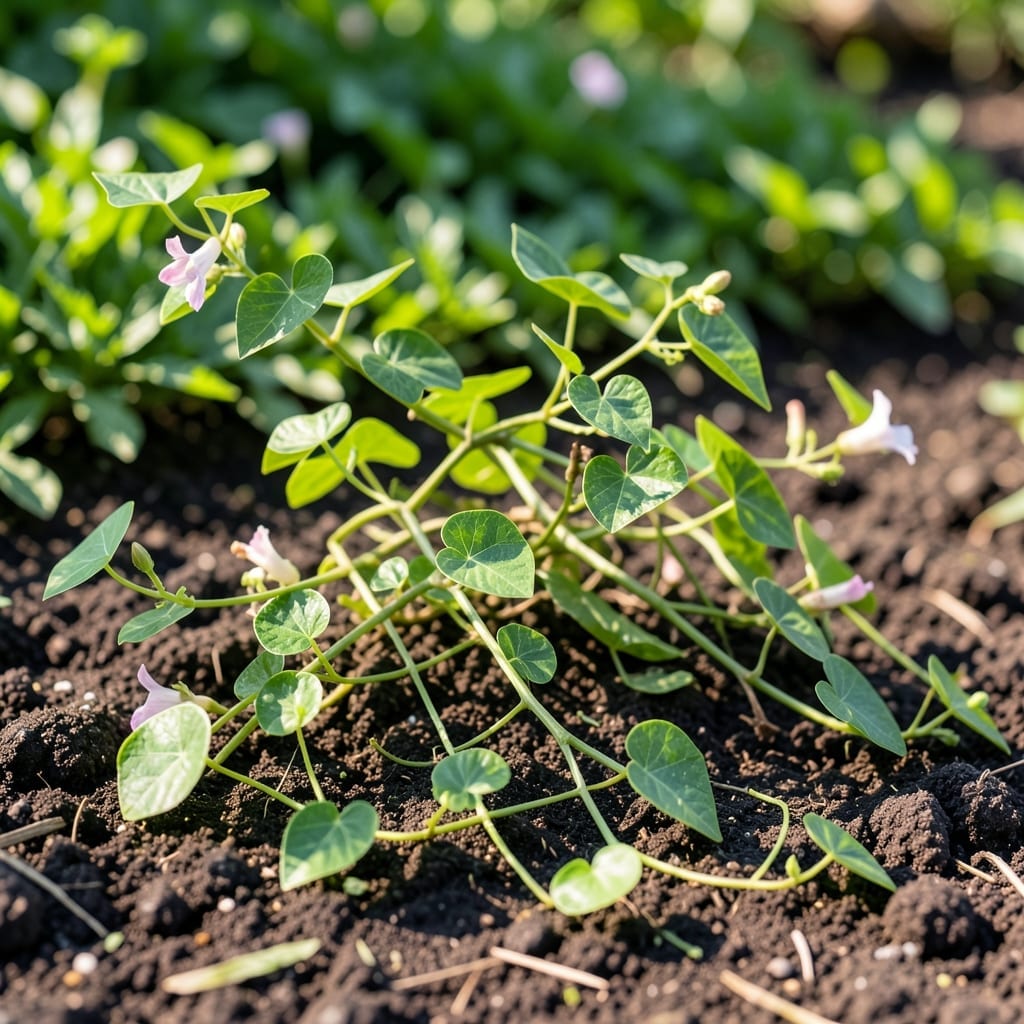
That creeping green carpet in your yard isn’t grass. I learned the hard way that vine weeds spread faster than you can say “invasive,” choking out flowers and stealing nutrients from your prized plants.
Identifying them is your first defense. Look for long, trailing stems with alternating leaves, or the telltale heart-shaped leaves of morning glory vines. Most have white, pink, or purple flowers that seem innocent at first glance.
Removal starts with cutting off the supply—literally. Trace the vines back to their roots and pull them out completely. A single missed piece can regrow into a 10-foot problem in weeks.
Stay vigilant. These weeds return aggressively, but consistent checking and early action keep them from taking over your garden for good.
Understanding why vine weeds take over your garden is the first step in preventing their spread. These aggressive plants thrive due to specific environmental and human-induced factors. Below are the primary causes, explained with actionable insights.
Vine weeds often colonize disturbed or bare soil, where competition from other plants is minimal. Tilling, construction, or even foot traffic can expose soil, creating ideal conditions for fast-growing vines like morning glory or bindweed. Their seeds germinate quickly in sunlit, loose soil, outcompeting slower-growing plants.
Many vine weeds produce lightweight seeds designed for travel. Cucumber-like gourd vines or wild grape can spread via wind, birds, or mammals that ingest and excrete seeds. Even a single seed can sprout into a sprawling network, choking nearby vegetation.
Neglecting regular weeding or allowing existing vines to flower and seed ensures their return. Perennial vines (e.g., honeysuckle or kudzu) store energy in roots, regenerating year after year if not fully removed. Overwatering or over-fertilizing can also fuel their growth by providing excess nutrients.
Bare soil is an open invitation. Without mulch (wood chips, straw) or dense ground covers (clover, creeping thyme), vine weeds face no barriers. Mulch blocks sunlight, while competitive plants occupy the space, starving weeds of resources.
Once you’ve identified the vine weeds in your garden, it’s time to take action. Here’s how to tackle each type effectively:
Fix: Cut the vines at the base and immediately cover the area with thick cardboard or landscape fabric. Top with mulch to block sunlight and starve the roots. For persistent cases, apply a targeted vinegar-based herbicide (1 gallon of vinegar + 1 cup of salt + 1 tbsp dish soap) directly to the cut stumps.
Prevention: Mulch heavily around plants and keep garden edges clean to deter regrowth.
Fix: Pull up young vines by hand (wear gloves to avoid skin irritation). For mature growth, use a shovel or mattock to dig out roots—these can run deep, so persistence is key. If the area is too large, solarization (covering with clear plastic for 4–6 weeks) can bake the weeds out.
Prevention: Regularly inspect fences, trees, and borders for new shoots and remove them early.
Fix: Cut vines at ground level and treat the stumps with a glyphosate-based herbicide (follow label instructions). For organic gardens, repeated mowing can weaken the plants over time. Avoid composting these—dispose of them in sealed bags.
Prevention: Plant competitive ground covers like clover or creeping thyme to outcompete invasive vines.
💡 Pro Tip: Always sterilize your tools after working with invasive vines to avoid spreading seeds or root fragments to other areas.
Look for long, trailing stems with alternating leaves or heart-shaped foliage. Many produce white, pink, or purple flowers and spread rapidly across the ground or up structures.
They regrow from roots or seeds left in the soil. Even a small piece of root can sprout new growth. Consistent removal and blocking sunlight with mulch helps prevent this.
Cut vines at the base and cover the area with thick cardboard or landscape fabric. For stubborn types, apply a targeted herbicide to cut stumps. Always remove roots completely.
No, some climbing plants like beans or peas are desirable. Weeds are invasive, fast-growing plants that choke out other vegetation and disrupt your garden’s balance.