
Beautiful Plants For Your Interior
Beautiful Plants For Your Interior
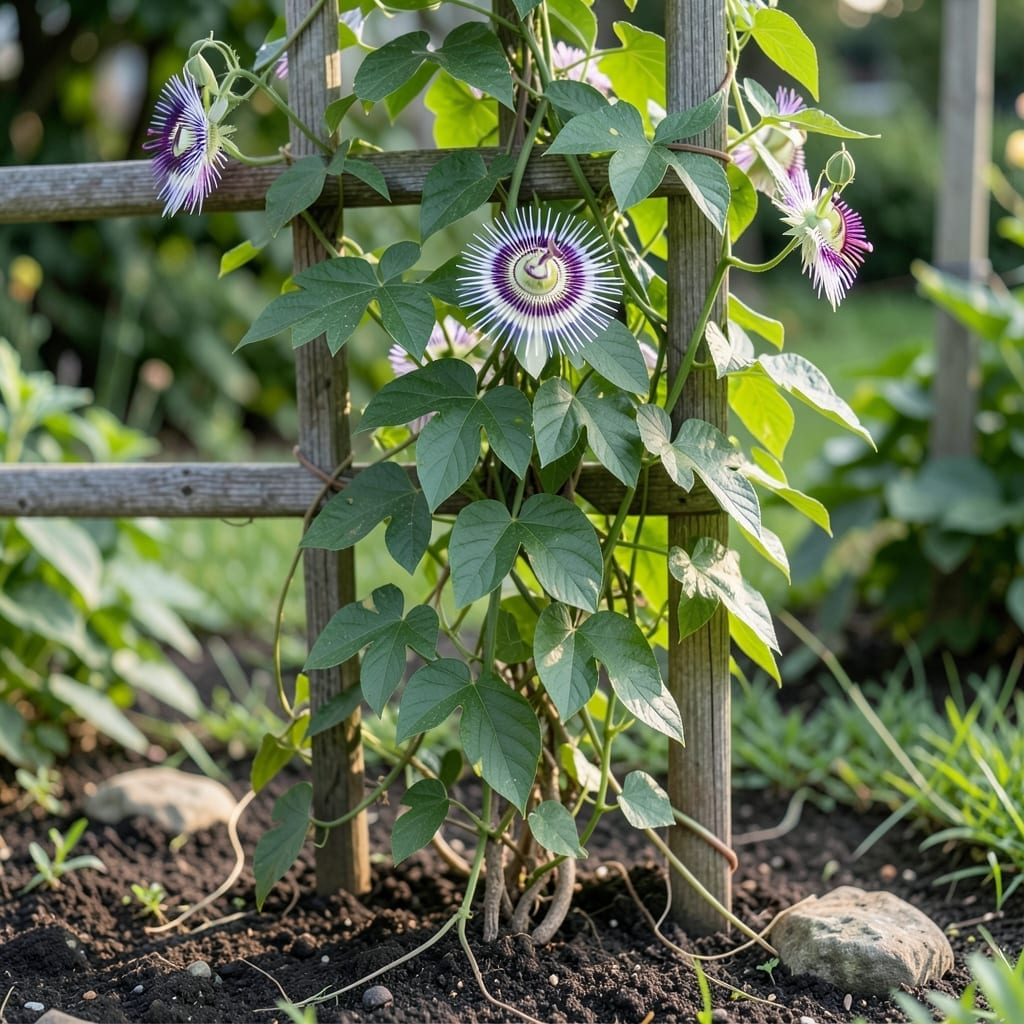
Nothing transforms a plain fence or arch faster than a vine bursting with purple blooms. I’ve watched bare structures disappear under cascades of color in a single season, and the effect is shockingly dramatic.
These plants thrive with minimal fuss—just give them a sturdy trellis, well-draining soil, and regular watering. Most varieties grow 10-20 feet in a year, turning vertical spaces into living art.
You’ll get waves of blooms from spring through fall, with some types adding fragrant scents to the display. Bees and butterflies can’t resist them either.
The best part? Many are drought-tolerant once established, making them low-maintenance stars in any garden.
The vibrant purple flowers on your vine plant are the result of several fascinating biological and environmental factors. Here’s why it happens:
Many vine plants with purple flowers, such as Clematis or Wisteria, naturally produce anthocyanins—pigments responsible for red, purple, and blue hues. These compounds are genetically encoded, meaning the plant’s DNA dictates the color. Anthocyanins also act as sunscreen for the plant, protecting delicate tissues from UV damage while attracting pollinators like bees and butterflies.
Sunlight exposure can intensify purple pigmentation. Anthocyanins increase in response to bright light, especially in cooler temperatures. If your vine is in full sun, the flowers may deepen in color. Conversely, excessive shade can mute the vibrancy, as the plant conserves energy by producing fewer pigments.
Soil acidity plays a key role. Purple flowers often thrive in slightly acidic to neutral soil (pH 6.0–7.0). In more alkaline conditions, some plants may shift toward pink or blue. Testing your soil and amending it with sulfur (to lower pH) or lime (to raise pH) can help maintain that rich purple tone.
Pro tip: 💡 If your vine’s flowers seem dull, check the soil pH and adjust accordingly for the best results.
If your vine plant with purple blooms isn’t thriving, these practical fixes will get it back on track. Below are the most common problems and their step-by-step solutions, plus tips to prevent them from happening again.
Soggy roots often cause yellow leaves. Repot the vine in well-draining soil mixed with perlite or sand. Use a container with drainage holes, and water only when the top inch of soil is dry. Prevention tip: 💡 Elevate pots to avoid water pooling at the base.
Aphids and spider mites love tender new growth. Spray leaves with a mix of water and mild soap, or introduce ladybugs for biological control. For stubborn pests, use neem oil weekly until they’re gone. Prevention tip: 🌿 Keep the area clean and remove dead foliage promptly.
If stems are long and sparse, the plant isn’t getting enough sunlight. Move it to a spot with 6+ hours of direct light daily. For indoor vines, supplement with a grow light. Prevention tip: ✨ Rotate the pot weekly for even growth.
Drooping blooms can mean both over- and under-watering. Check the soil: if it’s bone dry, water deeply; if it’s waterlogged, let it dry out. Mulch around the base to retain moisture. Prevention tip: 🌡️ Use a moisture meter for precision.
Weak or stunted vines may need nutrients. Apply a balanced fertilizer (10-10-10) every 4–6 weeks during growing season. Avoid over-feeding, which can harm roots. Prevention tip: 🎯 Dilute fertilizer to half-strength for young plants.
Most varieties grow 10-20 feet per year under ideal conditions. With proper support and sunlight, you’ll see noticeable progress within weeks. Regular pruning helps control growth and encourages more blooms.
Choose a large pot with drainage holes and a sturdy trellis. Use well-draining soil and water when the top inch feels dry. Dwarf varieties like ‘Jackmanii’ clematis work especially well in containers.
Lack of flowers often means insufficient sunlight or improper pruning. Ensure your vine gets 6+ hours of direct sun daily. Also, some varieties bloom on old wood – prune at the wrong time and you’ll lose flowers for a year.
Most purple-flowering vines like wisteria or clematis are deer-resistant once established. Young plants may need protection. For best results, use repellents until the vine matures and develops tougher foliage.