
Beautiful Plants For Your Interior
Beautiful Plants For Your Interior
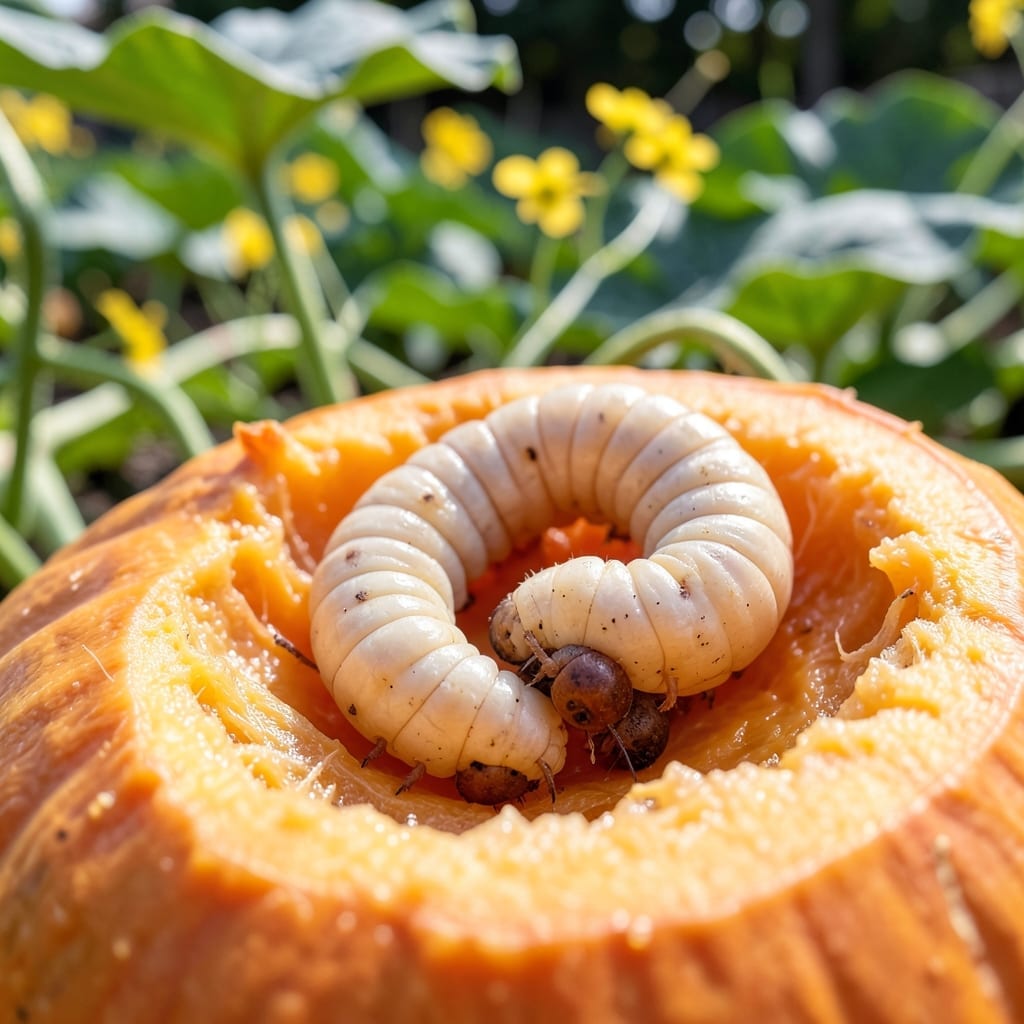
I lost my first pumpkin patch to vine borers in a single week. One day the vines looked fine, the next they were wilting like they’d been hit with a flamethrower. These pests tunnel into stems and cut off the plant’s lifeline, often before you even notice them.
Here’s the thing—early detection is everything. Look for small holes at the base of the stem with sawdust-like frass nearby. The vines wilt during the hottest part of the day first, which is your signal to investigate immediately. Don’t wait for the wilting to become permanent.
Organic removal starts with physical action. Split the stem carefully, remove the borer, then bury the wounded section to encourage root growth. It sounds drastic, but it works when you catch it early. Prevention next year is even simpler.
Works for all squash family plants, not just pumpkins. Let’s save those vines.
Vine borers target pumpkins for specific biological and environmental reasons. Understanding these causes helps you prevent infestations before they start.
The squash vine borer moth (Melittia cucurbitae) lays eggs at the base of pumpkin vines in early summer. These moths are attracted to Cucurbita plants (like pumpkins, squash, and zucchini) because they contain cucurbitacins—compounds that signal ideal host plants for their larvae. The moths are most active during mid-morning to early afternoon, when they hover near vines to deposit eggs.
Pumpkin vines are particularly susceptible to borer infestation because their soft, succulent stems provide easy entry for newly hatched larvae. Unlike woody plants, pumpkin vines lack thick bark or protective layers, allowing larvae to bore directly into the stem within 24–48 hours of hatching. Once inside, they feed on the plant’s vascular system, cutting off water and nutrient flow.
Warm, dry conditions accelerate vine borer activity. Temperatures above 75°F (24°C) speed up egg hatching, while drought-stressed plants emit stronger chemical signals that attract moths. Over-fertilization with nitrogen can also create lush, tender growth—a magnet for egg-laying females. Additionally, crop rotation failures (planting pumpkins in the same spot yearly) allow borer populations to persist in the soil.
Once you’ve spotted vine borers in your pumpkin patch, act fast to save your plants. Here’s how to tackle each issue with practical fixes and prevention tips to keep them from returning.
If you notice wilting vines, inspect the base for squash vine borer entry holes or sawdust-like frass. Use a sharp knife to split the stem lengthwise and remove the larvae by hand. Bury the damaged section in soil to encourage new root growth. Prevention tip: 💡 Rotate crops yearly and avoid planting pumpkins in the same spot to disrupt the borer’s life cycle.
For young plants, apply beneficial nematodes (like Steinernema carpocapsae) to the soil. These microscopic worms hunt and kill borer larvae before they mature. Water the soil before and after application for best results. Prevention tip: 🌡️ Use row covers early in the season to block adult moths from laying eggs at the base of plants.
If borers strike late, prune affected vines back to healthy growth and dispose of them in sealed bags. Support remaining healthy vines with trellises to reduce stress. Prevention tip: ✨ Plant resistant varieties like ‘Butternut’ or ‘Carnival’ squash, which are less appealing to vine borers.
Consistency is key—monitor plants weekly and act at the first sign of trouble to keep your pumpkin patch thriving!
Look for small holes at the stem base with sawdust-like frass. Wilting during the hottest part of the day is another key sign. Inspect vines daily once temperatures exceed 75°F.
Yes, if caught early! Split the stem, remove the borer, then bury the wounded section to encourage new roots. This method is most effective within 24–48 hours of infestation.
Use row covers early in the season to block egg-laying moths. Also, apply beneficial nematodes to soil before planting. Rotate crops yearly to break the borer’s life cycle.