
Beautiful Plants For Your Interior
Beautiful Plants For Your Interior
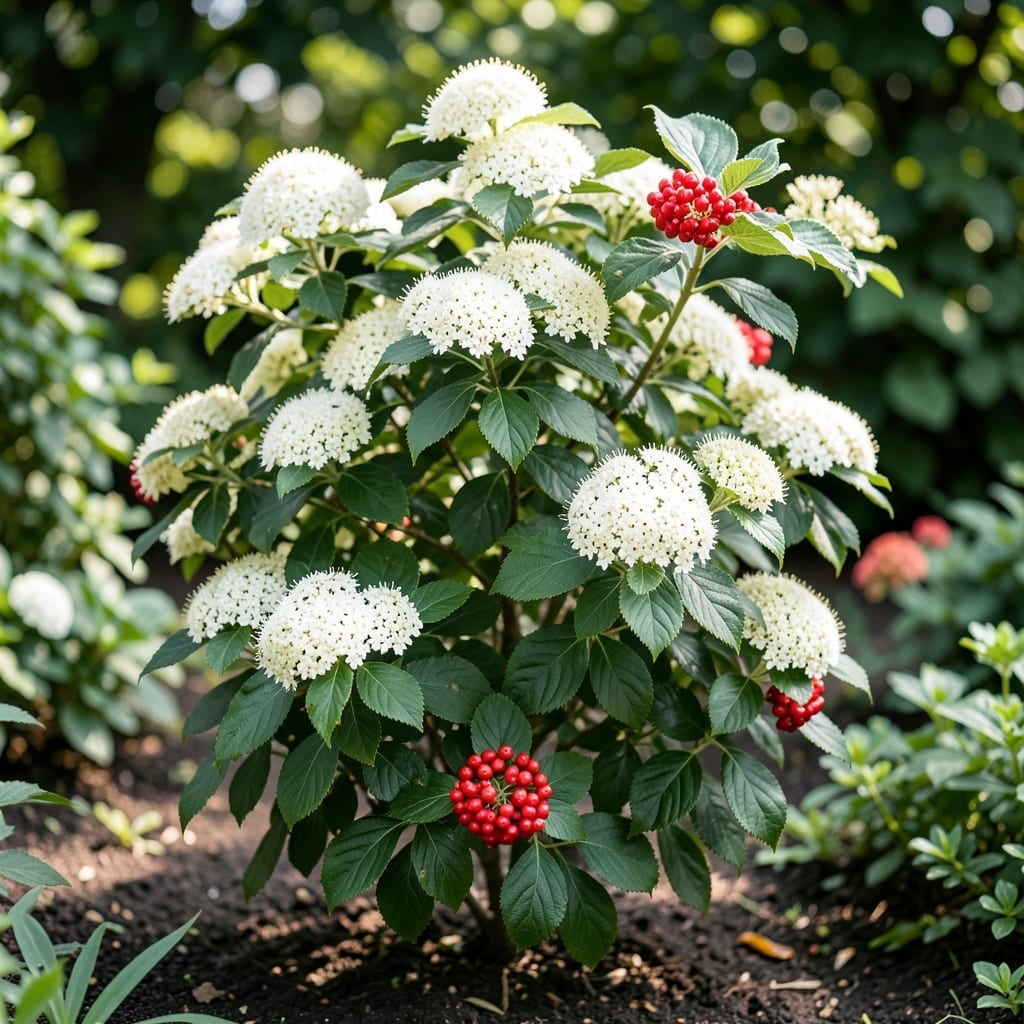
Spotted something off on your viburnum? I’ve been there, staring at leaves with strange spots or wilting branches, wondering what’s going wrong.
These shrubs are tough, but they’re not immune to trouble. From powdery mildew to leaf spot, the signs are often subtle at first—a yellow edge here, a dark blotch there.
Catching issues early makes all the difference. With the right photos and a little know-how, you can diagnose the problem and fix it before it spreads.
No need for harsh chemicals, either. Simple, organic solutions can restore health and keep your viburnum thriving.
Understanding why viburnum plants fall prey to diseases starts with recognizing the key culprits behind their decline. Here’s a breakdown of the most common causes:
Fungi like Botryosphaeria (causing canker) and Phytophthora thrive in wet, poorly drained conditions. These pathogens infect viburnum through wounds or stressed tissue, leading to leaf spots, wilting, or stem dieback. Overhead watering and crowded plantings create ideal breeding grounds for spores.
Bacteria such as Pseudomonas syringae cause bacterial blight, which manifests as blackened, oozing stems or leaf edges. These invaders enter through pruning cuts or natural openings, especially during wet springs. Poor air circulation exacerbates the spread.
Pests like viburnum leaf beetles or aphids weaken plants by sucking sap or defoliating them. This stress makes viburnum more susceptible to secondary infections. Yellowing leaves or stunted growth often signal pest activity before diseases take hold.
Drought, extreme heat, or nutrient deficiencies compromise a viburnum’s natural defenses. For example, powdery mildew often appears on plants in shaded, humid areas with poor airflow. Improper soil pH can also limit nutrient uptake, leaving viburnum vulnerable.
Addressing these root causes—through proper spacing, sanitation, and balanced care—can significantly reduce disease risk.
Dealing with viburnum diseases doesn’t have to be overwhelming. With the right approach, you can nurse your plants back to health and prevent future issues. Below are targeted solutions for common problems, paired with prevention tips to keep your garden thriving.
If you spot white, powdery spots on leaves, prune affected areas immediately to stop the spread. Treat with a baking soda spray (1 tbsp baking soda + 1 tsp liquid soap + 1 gallon water) every 7–10 days. Prevention tip: 💡 Space plants widely for better airflow and water at the base to keep foliage dry.
These tiny pests cause curled leaves and sticky residue. Blast them off with a strong water spray or introduce ladybugs and lacewings as natural predators. For severe cases, use neem oil or insecticidal soap. Prevention tip: 🌡️ Encourage beneficial insects by planting companion flowers like marigolds.
Brown or black spots with yellow halos signal fungal or bacterial leaf spot. Remove infected leaves and dispose of them (don’t compost!). Apply a copper fungicide or a homemade garlic spray (blend 2 garlic bulbs in 1 quart water, strain, and spray). Prevention tip: ✨ Avoid overhead watering and clean up fallen debris regularly.
Yellowing leaves and wilting despite wet soil? Your viburnum may have root rot. Stop watering immediately and amend the soil with compost or sand to improve drainage. For potted plants, repot in fresh, well-draining mix. Prevention tip: 🎯 Always use pots with drainage holes and avoid overwatering.
Look for white, powdery spots on the upper surfaces of leaves, often in late summer. This fungal disease thrives in humid conditions with poor airflow.
This is typically leaf spot, a fungal or bacterial infection. Remove affected leaves immediately and avoid overhead watering to prevent spread.
Yes, if caught early. Stop watering, improve drainage, and trim affected roots. Severe cases may require repotting in fresh, well-draining soil.