
Beautiful Plants For Your Interior
Beautiful Plants For Your Interior
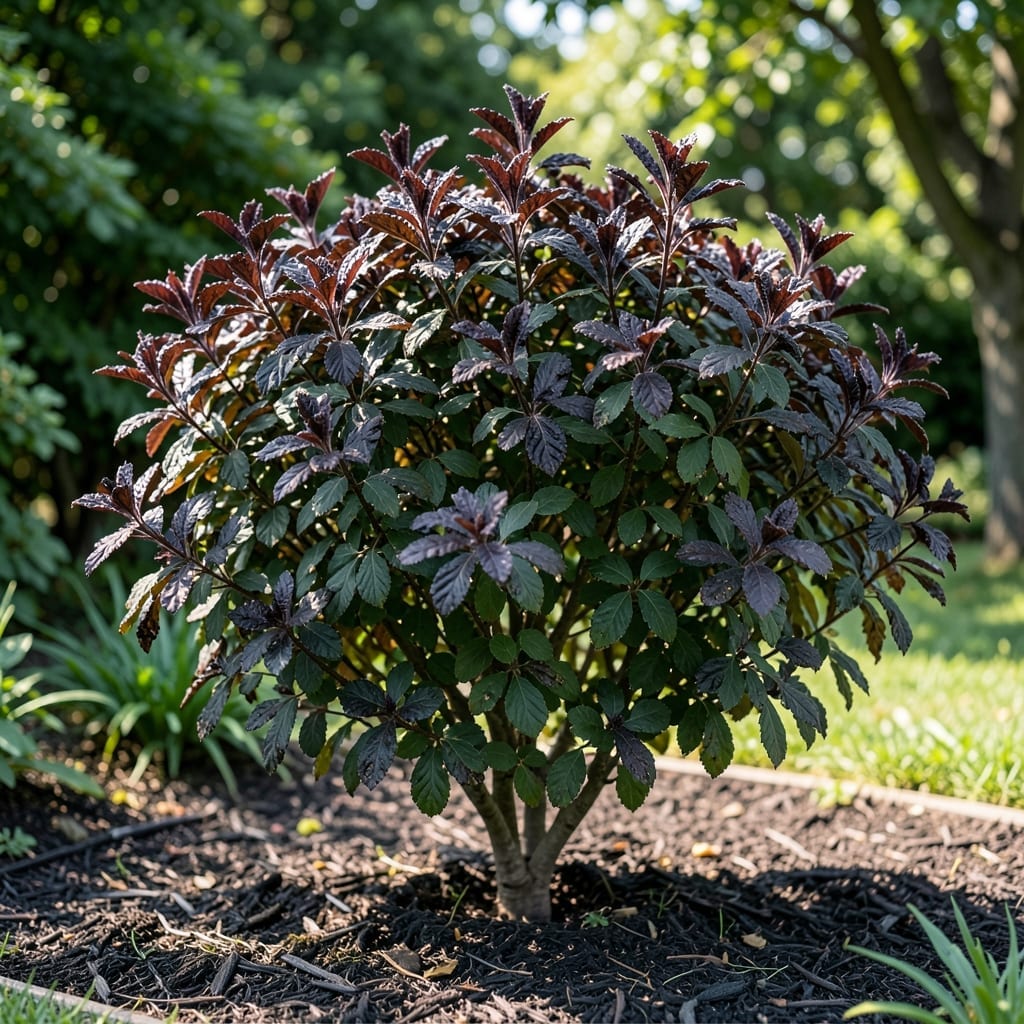
Nothing kills garden confidence faster than watching your viburnum’s leaves turn black overnight. I’ve lost count of how many shrubs I’ve revived from this exact issue, and the solution always starts with figuring out what’s actually causing it.
Most cases boil down to 4 common culprits: fungal infections, sap-sucking pests, water stress, or nutrient imbalances. The good news? Each leaves a distinct signature—spotting, sticky residue, crisp edges—so you can diagnose without guessing.
Once identified, organic fixes work fast. Copper sprays stop fungus, neem oil handles pests, and a simple soil test reveals if your plant’s starving. My viburnums bounce back within 2-3 weeks with the right approach.
No fancy tools required—just observation and consistent care. Here’s how to turn those black leaves green again.
Blackened foliage on viburnum shrubs is always a symptom of cellular death, and the underlying triggers are surprisingly few. Below are the most common causes, each with a clear, science-backed explanation.
Cercospora, Phyllosticta, and Colletotrichum fungi produce toxins that rupture leaf cells. As infected tissue dies, it darkens to black. These pathogens thrive in warm, wet conditions (68–86 °F with ≥12 hours of leaf wetness).
In late winter, viburnum leaves lose water faster than roots can replace it. Cell membranes collapse, turning foliage black. Evergreen species like V. tinus are especially vulnerable when soils are frozen and winds are dry.
Saturated soil displaces oxygen, suffocating fine roots. Without respiration, roots rot and fail to deliver water and nutrients. The result: leaf margins turn black as cells starve. This often appears first on lower, older leaves.
Excess boron or manganese in soil can cause black necrotic spots. Conversely, severe phosphorus or potassium deficiency disrupts energy transport, leading to tissue death. A soil test is the only way to confirm these imbalances.
Black leaves on your viburnum can be alarming, but with the right approach, your plant can bounce back. Below are targeted solutions based on the most common causes, along with prevention tips to keep your shrub thriving.
Fungal diseases like anthracnose or leaf spot thrive in damp conditions. Prune affected branches to increase airflow, and remove fallen leaves to prevent spores from spreading. Apply a copper-based fungicide or neem oil weekly until the issue resolves. Prevention tip: 💡 Space plants properly and water at the base to keep foliage dry.
Pests like aphids or scale insects can weaken viburnum, leading to blackened leaves. Blast them off with a strong stream of water, or wipe leaves with insecticidal soap. For severe cases, introduce beneficial insects like ladybugs. Prevention tip: ✨ Inspect leaves regularly and encourage natural predators with companion planting.
Too much sun, drought, or poor soil can stress viburnum, causing leaf scorching. Mulch around the base to retain moisture, and provide afternoon shade if leaves are sunburned. Test soil pH (ideal: 6.0–7.5) and amend with compost if needed. Prevention tip: 🌱 Water deeply 1–2 times weekly during dry spells.
Root rot from soggy soil can turn leaves black. Reduce watering and ensure the planting area has good drainage. If roots are mushy, trim affected parts and repot in fresh, well-draining soil. Prevention tip: 🎯 Use a moisture meter to water only when the top 2 inches of soil are dry.
Act quickly at the first sign of black leaves, and your viburnum will reward you with lush, healthy growth!
No, once leaves turn black, the damage is permanent. Focus on improving plant health to encourage new, healthy growth. Remove affected foliage to prevent further spread of disease or pests.
Fungal issues often show as black spots with yellow halos. Pests leave sticky residue or visible insects. Check leaf undersides for tiny bugs or webbing for accurate diagnosis.
Yes, soggy soil leads to root rot, which starves leaves of nutrients. Ensure your viburnum has well-draining soil and water only when the top 2 inches are dry.
Yes, remove blackened foliage right away to stop disease spread. Use clean pruners and dispose of debris away from the plant to prevent reinfection.