
Beautiful Plants For Your Interior
Beautiful Plants For Your Interior
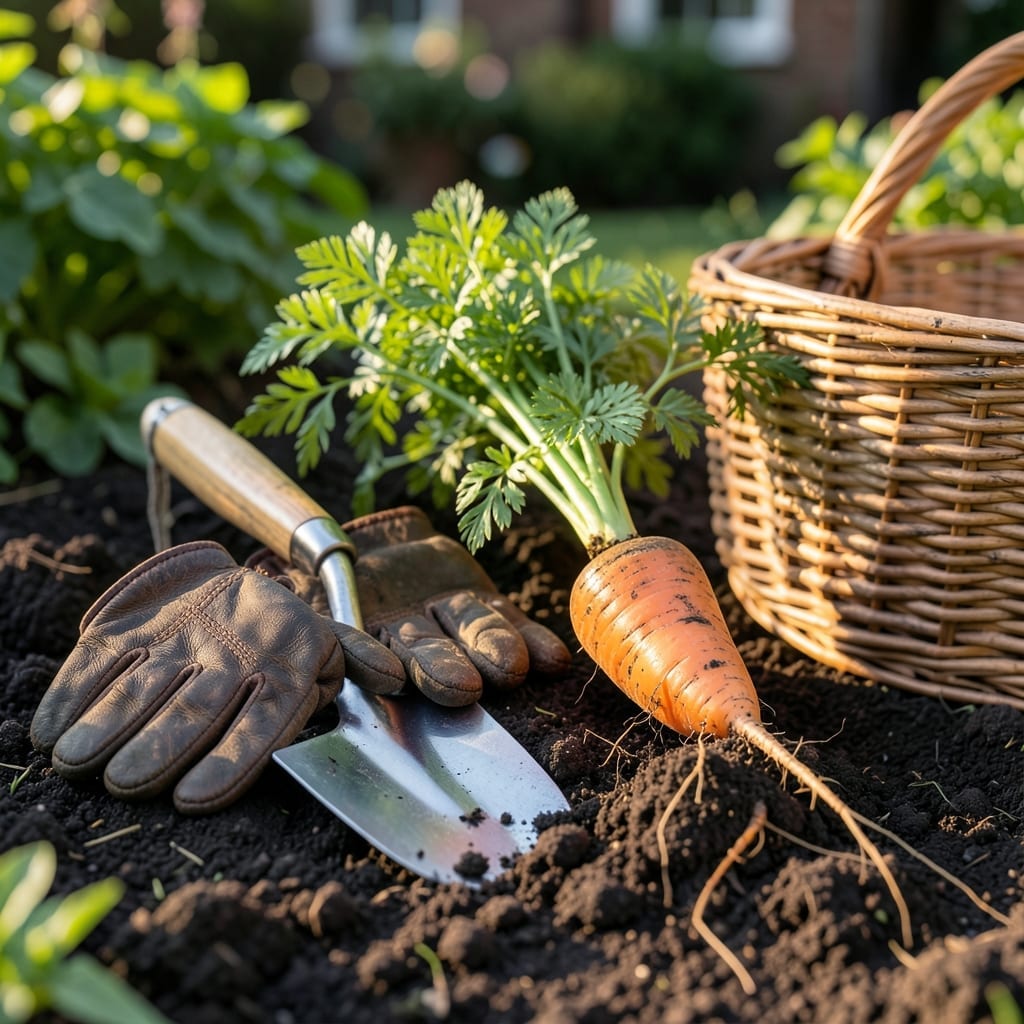
Ever pulled a Vegetable 🥕 from your garden only to find it lacking that perfect flavor? Timing is the key to unlocking the best taste and nutrition from your harvest.
I’ve learned that picking at the right moment makes all the difference. Whether you’re growing in zone 6 or another region, knowing when to harvest ensures peak quality.
From June to October, your garden is likely busting with produce ready for picking. But how do you know when each variety is truly ready?
Discover the simple signs to look for and the easier way to time your harvests perfectly. Let’s make this your most productive growing season yet.

Timing your vegetable harvest just right can make all the difference between a mediocre crop and a bountiful garden. Each plant has its own ripeness indicators, from color changes to texture shifts.
I’ve found that morning harvesting often yields the crispiest, most flavorful produce. This is especially true for leafy greens and root vegetables, which tend to be more hydrated early in the day.
| Vegetable | Harvest Time | Key Signs of Readiness |
|---|---|---|
| Tomatoes | 60-85 days | Full color, slightly soft to touch |
| Cucumbers | 50-70 days | Firm, 6-8 inches long |
| Carrots | 60-80 days | Top diameter ¾-1 inch, vibrant color |
| Bell Peppers | 60-90 days | Full size, glossy skin |
| Lettuce | 30-60 days | Leaves firm, before bolting |
| Zucchini | 45-55 days | 6-8 inches long, skin tender |
For tomatoes, I always wait until they’ve developed their full color and give slightly when gently squeezed. Picking too early results in bland flavor, while waiting too long can lead to splits.
Cucumbers are best harvested when they’re firm and medium-sized. If they grow too large, they become bitter and seedy. I check my plants every 2-3 days during peak production to catch them at the right stage.
Carrots can be tricky since their tops are the only visible part. I look for shoulder diameter of about ¾ inch at the soil line. A gentle tug often reveals if they’re ready—if the top breaks, they need more time.
With bell peppers, size and color are key. Most varieties turn from green to red, yellow, or orange as they mature. I find that full-sized peppers with glossy skin are perfect for harvesting, even if they haven’t fully changed color yet.
Leafy greens like lettuce and spinach should be picked when the leaves are tender and before they start to bolt. I use the cut-and-come-again method, harvesting outer leaves to extend the growing season.
For zucchini, timing is critical. These grow incredibly fast, so I check daily once they start producing. The ideal size is 6-8 inches long—any larger and they become tough and seedy.
Remember, these are general guidelines. Your local climate and growing conditions can affect maturity times. When in doubt, taste-test one to check for peak flavor and texture. 🌱
Timing your vegetable harvest by season ensures you get the best flavor and highest yield. Each vegetable has its peak window, and knowing these can transform your gardening success.
In spring, focus on cool-season crops like lettuce, peas, and radishes. These thrive in milder temperatures and can bolt if left too long in the heat. 🌱
Summer is the golden season for warm-weather vegetables. Tomatoes and zucchini should be harvested frequently to encourage more production. Look for firm textures and vibrant colors as signs of readiness.
For fall harvests, many vegetables like squash and brussels sprouts actually improve in flavor after a light frost. This is because the cold triggers sugar production, enhancing their taste.
Always check the mature size for your specific variety. For example, bell peppers should be full-sized and firm before picking. If they’re still soft or dull, leave them a little longer. 🌿
Regional differences matter too. If you’re in a warmer climate, your harvest windows may start earlier. In cooler areas, you might need to wait a bit longer for the same vegetables to mature.
Finally, morning harvesting is ideal. Vegetables are most crisp and hydrated after a cool night, which helps them stay fresh longer after picking. ✂️