
Beautiful Plants For Your Interior
Beautiful Plants For Your Interior
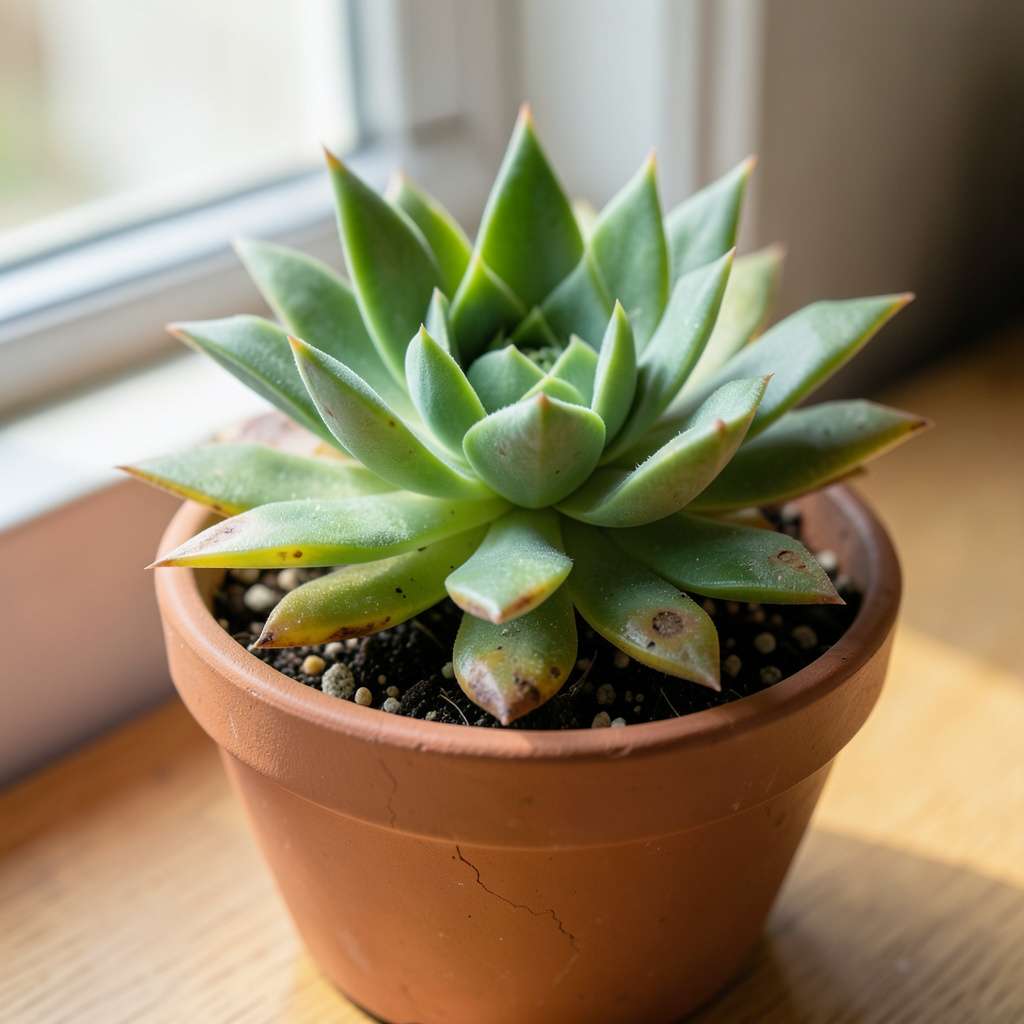
Yes, an unhealthy hen and chick plant is often fixable if caught early. Look for wilting, discoloration, or mushy leaves—common causes include overwatering, poor drainage, or insufficient sunlight. Adjust care immediately to revive it.
I’ve saved countless succulents by recognizing that these plants communicate stress through their leaves. 🌱 When the lower leaves turn translucent or squishy, that’s your plant’s way of saying “too much water!” On the flip side, wrinkled or papery leaves often signal dehydration or sunburn. The key is observing patterns—like how afternoon sun might scorch leaves while morning light promotes vibrant growth.
What many gardeners overlook is the soil’s role in recovery. A well-draining mix with perlite or coarse sand mimics these plants’ native rocky habitats. I always recommend checking the roots during revival—healthy ones should be firm and white, not black or mushy. This hands-on approach helps you address the root cause (pun intended) rather than just treating symptoms. ✨
💡 In This Article
Your hen and chick plant speaks through its leaves—discoloration is the first red flag. When the normally vibrant green rosettes develop yellow or brown patches, it’s often a moisture imbalance. Overwatering causes leaves to turn translucent and mushy, while underwatering makes them wrinkled and papery.
The outer leaves typically show stress first, acting as sacrificial shields for the central “hen” rosette. 🌱
Root health tells the full story. Gently remove the plant from its pot and examine the roots—healthy ones appear firm and white, while rotting roots are black, slimy, and emit a foul odor. This decay happens when soil stays soggy for more than 2-3 days, creating anaerobic conditions where harmful bacteria thrive.
Compare this to a thirsty plant whose roots look dry and brittle, often accompanied by soil pulling away from the pot edges.
Growth patterns reveal long-term issues. A healthy hen produces “chicks” (offsets) regularly, but stressed plants either stop reproducing or generate weak, undersized offspring. Stunted growth often correlates with poor light conditions—these plants need 4-6 hours of bright, indirect sunlight daily.
Without it, they “stretch” (etiolate) toward light sources, developing weak, elongated stems that can’t support the rosette’s weight. ✨
Texture changes signal advanced problems. Leaves should feel plump and firm, like a well-hydrated grape. Soft, squishy leaves indicate cellular damage from overwatering, while crispy, dry leaves suggest prolonged drought or sunburn.
Run your fingers along the leaf edges—healthy plants have smooth, intact surfaces, while stressed ones may show rough patches where cells have ruptured from temperature extremes or pest damage.
Pest infestations manifest in specific ways. Mealybugs leave cottony white clusters in leaf axils, while spider mites create fine webbing on undersides. Both cause stippling (tiny yellow dots) as they pierce plant cells to feed. Aphids prefer new growth, causing curled or distorted leaves.
These pests thrive in stressed plants, so their presence often indicates underlying care issues that need addressing beyond just pest removal. 🐛
Seasonal changes affect symptom expression. Winter dormancy may cause slight leaf shrinking, which is normal, but spring should bring plump new growth. If your plant looks worse after winter, it likely suffered from cold drafts (below 20°F) or excessive moisture during dormancy.
Summer stress shows as bleached spots from intense sun or wilting from heat combined with dry soil—these plants prefer temperatures between 65-80°F for optimal health.
After repotting, wait 5-7 days before watering to let roots heal. Then use the “soak and dry” method: water thoroughly until it drains, then wait until the top 2 inches of soil are completely dry. In summer, this might mean weekly watering; in winter, monthly is often enough.
Brown, crispy leaves typically indicate underwatering or sunburn. Check if the soil is bone-dry or if the plant receives intense afternoon sun. Move it to a spot with 4-6 hours of morning light and adjust your watering schedule. Healthy leaves should feel plump, not papery.
Yes, but act quickly! Remove all black, mushy roots with clean scissors, then let the plant dry for 24 hours before repotting in fresh, well-draining soil. Skip watering for a week to prevent further rot. Most plants recover if at least 30% of healthy roots remain.
Use a 50/50 blend of cactus soil and perlite for ideal drainage. Avoid regular potting soil—it holds too much moisture. For extra protection, add a 1-inch layer of coarse sand at the pot’s bottom to improve airflow around roots.
With proper care, most plants show new growth in 3-4 weeks and full recovery in 2-3 months. Document progress with weekly photos to track subtle changes. Patience is key—these resilient plants often bounce back stronger after stress!
