
Beautiful Plants For Your Interior
Beautiful Plants For Your Interior
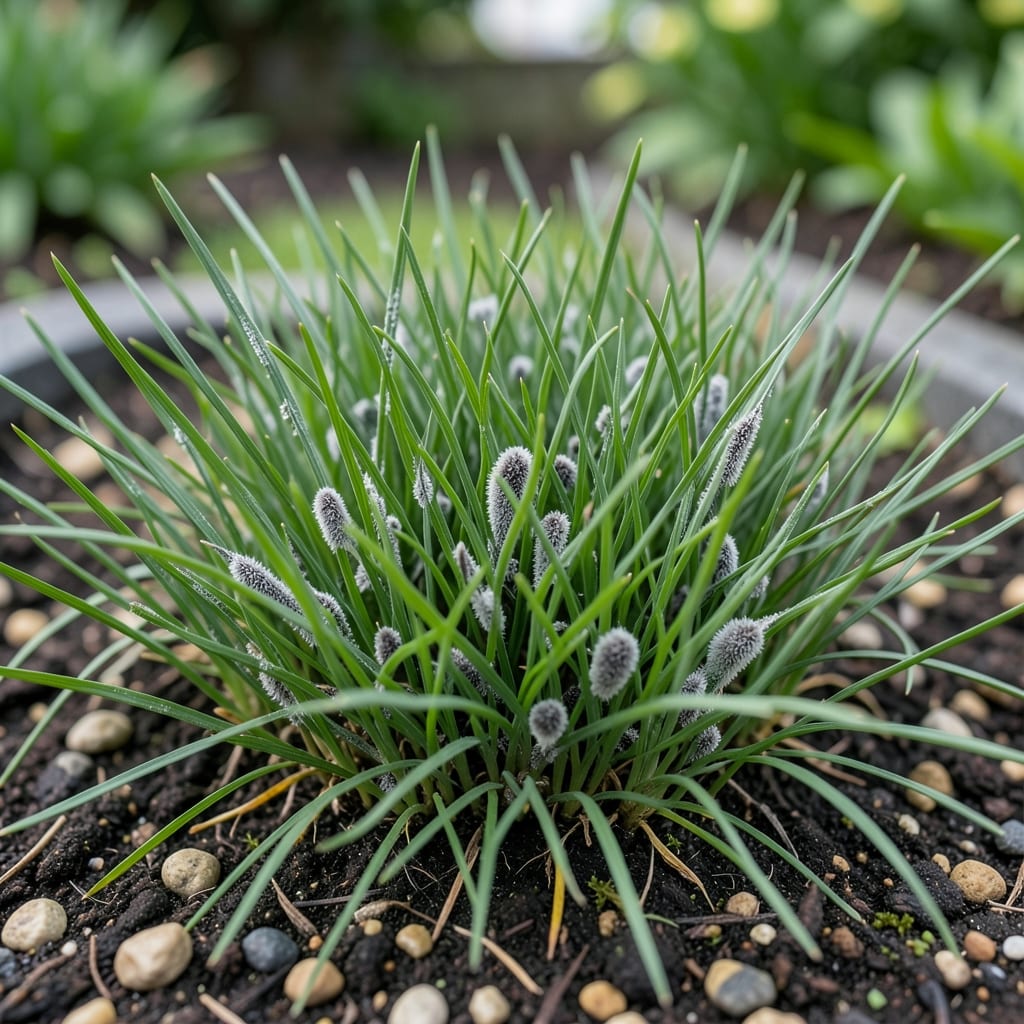
That strange grayish-white stuff on your lawn isn’t a disease—it’s slime mold feeding on decaying organic matter. I’ve seen it appear overnight after heavy rain, looking like someone spilled ash across the grass.
It thrives in warm, humid conditions, especially when there’s excess thatch or organic debris. The good news? It doesn’t harm your turf, just looks unsightly. A simple rake or hose blast usually removes it from healthy lawns.
Prevention is easier than you think: improve drainage, reduce thatch buildup, and mow regularly. Your grass will outcompete the mold naturally once conditions dry out.
Most cases clear up within 1-2 weeks with basic lawn care. No chemicals needed—just patience and proper maintenance.
Slime mold on turf isn’t a disease but a natural response to specific environmental conditions. Understanding these triggers helps prevent its unsightly appearance. Below are the primary causes, each explained with actionable insights.
Slime mold thrives in damp environments. Overwatering, poor drainage, or prolonged rain creates the perfect breeding ground. Turf that stays wet for 48+ hours is especially vulnerable. To combat this, ensure proper drainage and adjust irrigation schedules to allow the soil to dry between waterings.
Decaying leaves, grass clippings, or thatch provide food for slime mold. These materials retain moisture and create a nutrient-rich layer where spores can germinate. Regularly rake and remove debris, and dethatch your lawn annually to disrupt the mold’s life cycle.
Slime mold flourishes in temperatures between 70–90°F (21–32°C) with high humidity. These conditions accelerate spore growth, especially in shaded or poorly ventilated areas. Improve airflow by trimming nearby shrubs and aerating compacted soil.
Compacted soil traps moisture and restricts oxygen, creating an ideal habitat for slime mold. Aerate your lawn at least once a year to improve soil structure and water absorption. This simple step can significantly reduce mold-friendly conditions.
Slime mold on your lawn may look alarming, but it’s usually harmless and manageable. Here’s how to tackle it based on the cause, plus steps to keep it from returning.
Slime mold thrives in damp conditions. If your turf stays soggy, aerate the soil to enhance drainage. Use a garden fork or core aerator to create small holes, allowing water to flow away. For compacted areas, mix in coarse sand or organic matter to loosen the soil. Prevention tip: 💡 Water your lawn in the early morning so it dries quickly, and avoid overwatering.
Slime mold feeds on decaying organic matter like thatch, grass clippings, and fallen leaves. Rake the affected area to break up the mold and remove debris. For severe thatch buildup, use a dethatching rake or machine. Prevention tip: ✨ Regularly rake leaves and mow with a mulching blade to reduce thatch accumulation.
Shady, still areas are prime spots for slime mold. Trim nearby trees or shrubs to let in more sunlight. Improve airflow by pruning dense plants and spacing them out. If the lawn is consistently shaded, consider planting shade-tolerant grass or ground covers. Prevention tip: 🌡️ Thin out overgrown areas to boost air circulation and reduce humidity.
For small patches, simply rake or hose off the slime mold. It’s not rooted, so it will wash away easily. Avoid chemical fungicides—most slime molds don’t require harsh treatments. Prevention tip: 🎯 Keep your lawn healthy with proper mowing, fertilizing, and watering to discourage regrowth.
Yes, it’s completely harmless to people, pets, and your lawn. It’s not a pathogen and won’t damage the grass beneath. Just rake it away if it bothers you visually.
Typically within 1-2 weeks once conditions dry out. The spores die off without consistent moisture, and the mold dries up on its own.
No need—fungicides are ineffective against slime mold. Focus on improving drainage and removing organic debris instead. Proper lawn care is the best defense.
It may reappear if conditions stay damp and debris accumulates. Regular aeration and thatch management will keep your turf resistant long-term.