
Beautiful Plants For Your Interior
Beautiful Plants For Your Interior
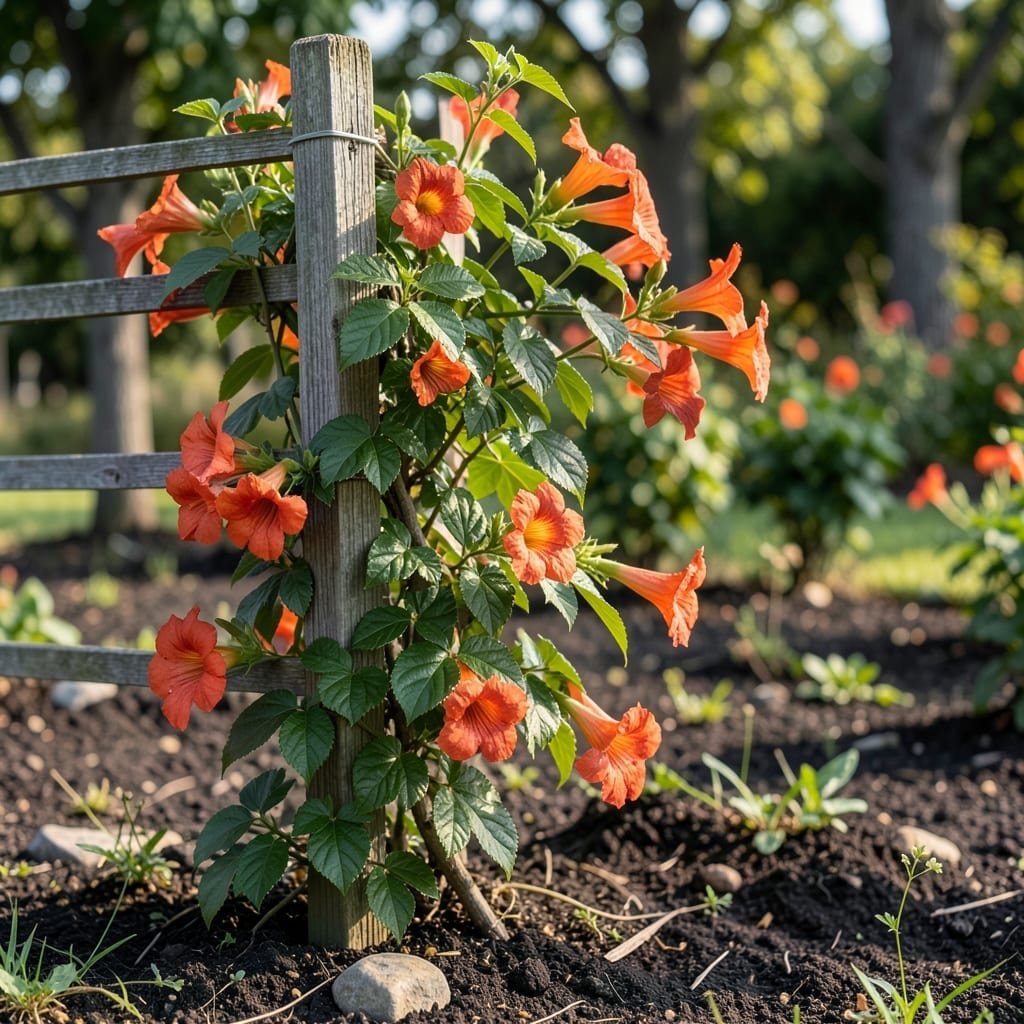
There’s something magical about watching the Trumpet Vine 🌿 transform your garden into a vibrant paradise. Those striking, trumpet-shaped blooms don’t just appear anytime – they follow a natural rhythm that every gardener should know.
From June to September, this fast-growing vine bursts into color, turning ordinary fences and trellises into living art. Understanding this bloom time helps you plan for maximum visual impact.
I’ve seen how proper timing and care can make all the difference in your vine’s performance. Whether you’re in zone 4-9 or just starting out, knowing when to expect those first flowers is the key.
Discover how to align your garden’s schedule with nature’s timeline. The results will leave both you and the hummingbirds coming back for more.
If you’re eager to see your trumpet vine burst into color, you’ll want to mark your calendar for mid to late summer. These vigorous climbers typically start blooming in July and continue through September in most regions.
The exact bloom time can shift slightly based on your climate zone and local conditions. In warmer areas like USDA zones 7-9, you might see flowers as early as June, while cooler zones may start later.
| Bloom Factor | Details |
| Primary Bloom | July – September |
| Early Areas | June start in zones 7-9 |
| Late Areas | August start in zone 4 |
| Sun Needs | Full sun (6+ hours) |
| Maturity | 2-3 years for first blooms |
The trumpet vine thrives in full sun and needs at least 6 hours of direct sunlight daily to produce its signature orange-red flowers. Without adequate light, you may notice fewer blooms or delayed flowering.
Another key factor is the vine’s maturity. Younger plants often take 2-3 years to establish before they’ll flower. If your vine isn’t blooming yet, it might just need more time to develop its root system.
Soil conditions also play a role. Well-draining soil with moderate fertility gives the best results. While trumpet vines are drought-tolerant once established, consistent moisture during the growing season encourages more abundant blooms.
Temperature triggers blooming too. These vines prefer warm summers and will often produce the most flowers during hot weather. In cooler summers, the bloom period might be shorter or less spectacular.
I’ve noticed that pruning timing affects flowering. If you prune too late in the season, you might remove flower buds. The best approach is to prune right after blooming to shape the plant while encouraging next year’s flowers.
For gardeners in cooler climates, consider planting your trumpet vine against a south-facing wall. The extra warmth can help trigger blooming earlier in the season, giving you a longer flowering period.
Remember that hummingbirds love these flowers, so your bloom time will also attract these delightful pollinators. The vibrant trumpet-shaped blooms are perfectly designed for their long beaks 🌿
To extend your trumpet vine bloom time, I focus on consistent care. These vines thrive with full sun and well-draining soil, so I ensure they get at least 6-8 hours of sunlight daily. Regular watering helps, but I avoid over-saturating the roots. 🌿
Pruning is key to longer blooms. I prune my vines in late winter or early spring to remove dead growth and shape the plant. This encourages new growth and more flower buds. A light trim after the first bloom cycle can also stimulate a second wave of flowers. ✂️
I’ve found that hummingbirds and other pollinators are drawn to trumpet vines, so I avoid pesticides. Instead, I use organic pest control methods like neem oil if aphids appear. Healthy vines with minimal stress will produce more blooms over a longer period. 🌻
Another trick is to train the vines onto a sturdy trellis or fence. This not only supports their rapid growth but also ensures better air circulation, reducing the risk of fungal diseases that can shorten bloom time. I check my supports annually to make sure they’re still secure. 🌱
In hotter climates, I provide afternoon shade for my trumpet vines to prevent heat stress. This is especially important in USDA zones 8-9, where intense sun can scorch the leaves and reduce flowering. A little shade can make a big difference. ☀️
Finally, I monitor the soil’s pH, aiming for a slightly acidic to neutral range (6.0-7.0). If the pH is off, I amend the soil with lime or sulfur as needed. Healthy soil means a healthier vine and more abundant, longer-lasting blooms. 🌷