
Beautiful Plants For Your Interior
Beautiful Plants For Your Interior
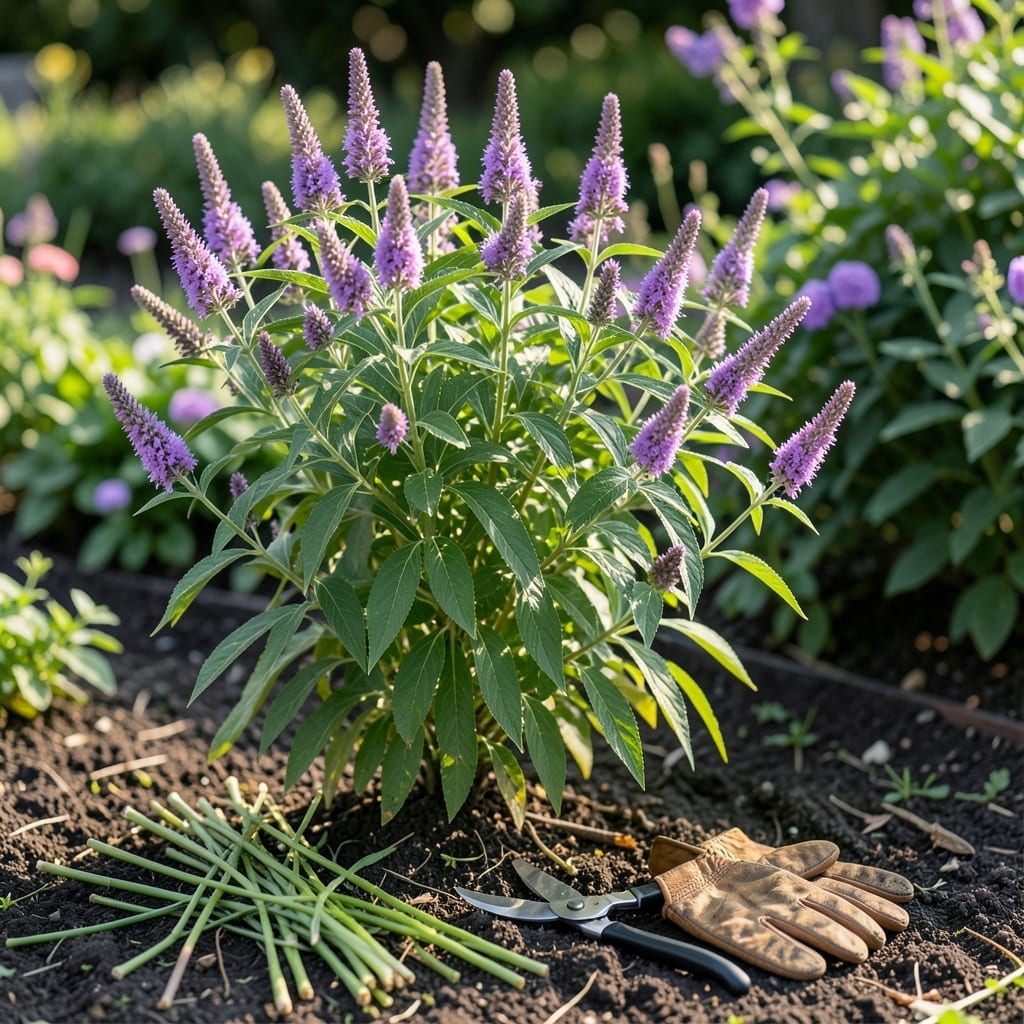
Timing your butterfly bush trimming correctly can mean the difference between a lackluster shrub and a vibrant, bloom-covered centerpiece. I’ve seen firsthand how one simple timing adjustment transforms a garden.
The 🦋 Butterfly Bush thrives when pruned at the right moment, and getting this right ensures healthier growth and more abundant flowers. It’s all about working with the plant’s natural rhythm.
Let me walk you through the best seasonal windows and what to watch for. Your garden will thank you for it.
I always tell gardeners that late winter to early spring is the sweet spot for trimming butterfly bush. This is when the plant is still dormant but just starting to show signs of new life, like bud swelling on the branches.
In most regions, this means February through March, but you should time it after the last hard frost in your area. This timing ensures you don’t cut off any potential flower buds that may have formed.
| Season | Action | Reason |
|---|---|---|
| Late Winter | Prune heavily | Encourages new growth |
| Early Spring | Trim dead wood | Removes winter damage |
| Fall | Avoid pruning | Prevents removing flower buds |
| Late Spring | Light shaping | Maintains form |
For gardeners in USDA zones 5-9, where butterfly bushes thrive, the ideal window is often March. This gives the plant enough time to recover and produce vibrant blooms through summer.
If you live in a milder climate, you might start as early as February. Just watch for new growth appearing at the base of the plant—that’s your signal it’s time to get out the pruners.
I’ve noticed that pruning too late—say, after April—can delay flowering. The plant puts its energy into regrowing what you’ve cut, rather than producing those beautiful cone-shaped flower clusters.
Another key sign is the last frost date for your area. Prune about 2-3 weeks after this date to avoid cold damage to new growth. Your local extension office can provide this information.
For established bushes, I recommend removing about one-third of the oldest stems at the base. This rejuvenates the plant and improves air circulation, which helps prevent disease and encourages more blooms.
If your butterfly bush is young, go lighter—just shape it and remove dead or crossing branches. This helps the plant establish a strong structure without shocking its system.
Remember, this shrub blooms on new wood, so late winter pruning ensures you’re not cutting off potential flowers. It’s a simple timing trick that makes a huge difference in your garden’s appearance.
Finally, always use clean, sharp pruners to make clean cuts. This reduces stress on the plant and helps it recover faster. ✂️
I always start my butterfly bush trimming with the right tools in hand. You’ll need sharp bypass pruners and possibly loppers for thicker stems. Clean tools prevent disease spread between plants.
Begin by removing any dead or damaged wood at the base. This clears the way for new growth and improves air circulation. Look for stems that are blackened or brittle—these are goners.
For established plants, I recommend removing about one-third of the oldest stems at ground level. This rejuvenates the shrub and stimulates vibrant new growth from the base.
Next, shape the remaining stems by cutting them back to 12-18 inches from the ground. This might seem drastic, but butterfly bushes respond well to hard pruning and will bounce back quickly.
Always make your cuts just above a bud or branch at a 45-degree angle. This helps water run off and prevents disease from settling into the cut. Avoid leaving stubs, as they can become entry points for pests.
After pruning, I like to give my butterfly bush a deep watering to help it recover. This is also a good time to apply a balanced fertilizer to support the new growth you’ll see in the coming weeks. ✂️