
Beautiful Plants For Your Interior
Beautiful Plants For Your Interior
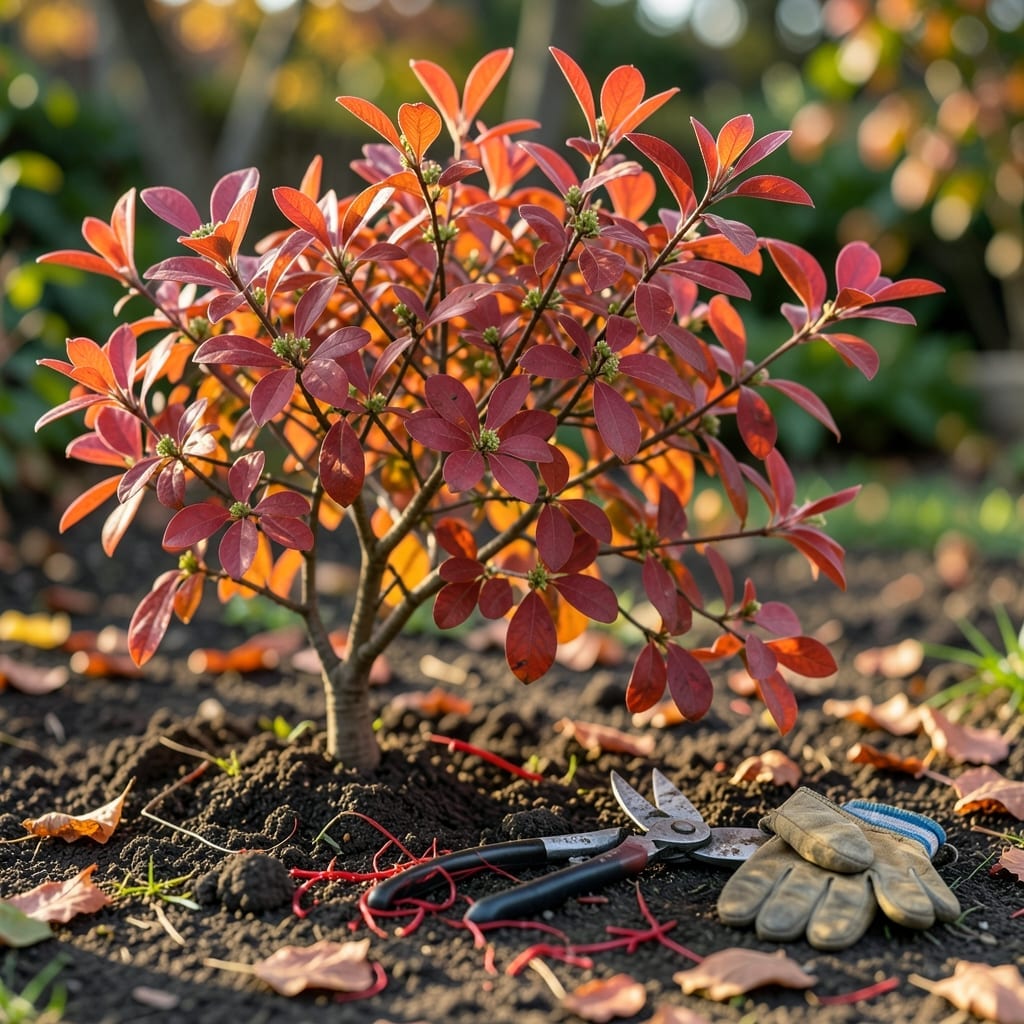
Timing is everything when trimming 🌿 Burning Bush—do it right, and you’ll enjoy vibrant foliage and stunning fall colors.
Get it wrong, and you risk stunting growth or missing that iconic red display. I’ve seen both outcomes firsthand, and trust me, the difference is night and day.
Let me share the best seasonal approach so you can keep your shrub thriving year after year. The key lies in understanding its natural growth cycle.
I’ve found that the ideal time to trim burning bushes is in late winter to early spring, just before new growth appears. This timing allows the plant to recover quickly and produce vibrant foliage.
Pruning during this window ensures you won’t disrupt the fall color display, which is one of the shrub’s most prized features. It also minimizes stress on the plant.
| Timing | Season | Reason |
| Late Winter | Before Spring Growth | Prepares for new shoots |
| Early Spring | March-April | Avoids fall color disruption |
| Avoid Summer | June-August | Prevents heat stress |
| Avoid Fall | After September | Preserves red foliage |
Trimming in late winter or early spring gives your burning bush the best chance to recover quickly. The plant is still dormant, so cuts heal faster without the stress of active growth.
I always avoid pruning in summer because the heat can stress the plant. The shrub focuses on surviving the heat rather than recovering from cuts.
Another critical reason to avoid fall pruning is that you’ll remove the developing buds that create those stunning red leaves. This defeats the purpose of growing a burning bush!
If you live in colder climates, aim for March pruning. In warmer zones, you can start as early as February. Just watch for new growth as your signal to stop.
I’ve seen gardeners make the mistake of pruning in late fall, thinking they’re preparing for winter. But this removes the very growth that would produce next year’s colorful display.
The USDA zones 4-8 are ideal for burning bushes, and timing your pruning right in these zones ensures optimal growth and vibrant colors each season.
Remember, the goal is to encourage healthy growth without sacrificing the fall color show. Late winter to early spring pruning achieves both beautifully.
I recommend marking your calendar for late February to early March as your pruning window. This timing works for most regions and gives your burning bush the best start for the growing season.
Pruning your burning bush correctly ensures healthy growth and that stunning fall color. I always start by gathering the right tools: sharp bypass pruners and loppers for thicker branches.
First, remove any dead or diseased wood to prevent the spread of issues. This step is crucial for maintaining the plant’s overall health and vigor.
When thinning the center, I aim to remove about 20-30% of the oldest stems. This encourages new growth and keeps the shrub looking full and vibrant.
For shaping, I use a natural form approach rather than shearing into a perfect ball. This maintains the plant’s character while keeping it tidy.
Always make clean cuts at a 45-degree angle just above a bud. This helps water run off and prevents rot from setting in.
After pruning, I give my burning bush a deep watering and a light application of balanced fertilizer to support recovery.
Remember, never remove more than 1/3 of the plant in a single pruning session. Over-pruning can stress the shrub and reduce its ability to produce those beautiful red leaves in fall.