
Beautiful Plants For Your Interior
Beautiful Plants For Your Interior
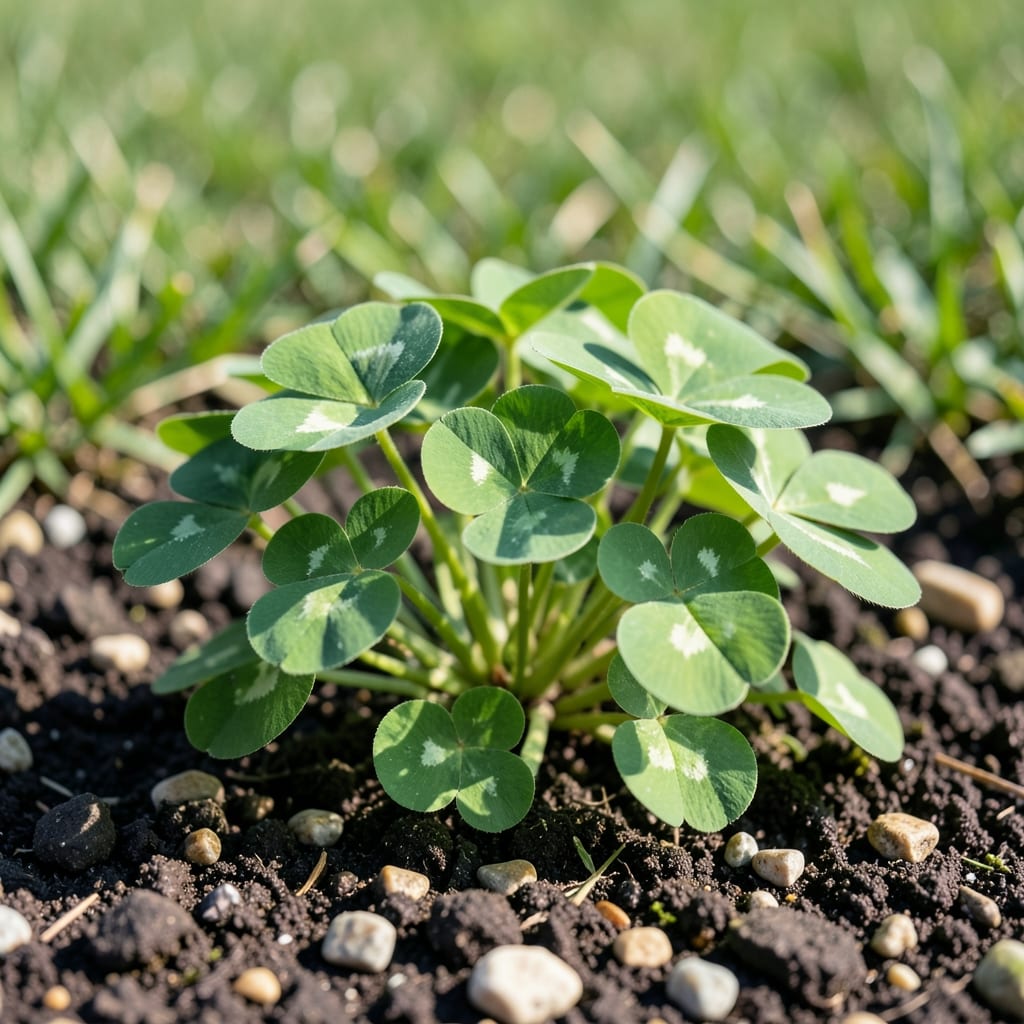
I first noticed the distinctive three-leaf pattern of white clover spreading across my lawn. 🌱 This hardy plant thrives where others struggle, turning bare patches into lush green carpets with minimal effort.
What makes it special is its adaptability—it grows in poor soil, handles foot traffic, and even fixes nitrogen to improve the earth. The leaves stay vibrant through heat and drought, asking only for sunlight and occasional water.
Within 4-6 weeks, you’ll see new shoots emerging, and the plant establishes quickly. The leaves maintain their iconic shape and color, creating a uniform ground cover that outcompetes weeds.
Perfect for lawns, meadows, or pollinator gardens. Here’s how to get it growing.
Understanding why Trifolium repens (white clover) leaves develop problems starts with examining their growing conditions. This hardy plant thrives in specific environments, and deviations can lead to visible stress. Below are the most common causes, explained scientifically yet practically.
White clover leaves may yellow or stunt if the soil lacks nitrogen, phosphorus, or potassium. As a nitrogen-fixing legume, Trifolium repens relies on symbiotic bacteria (Rhizobia) in its root nodules. Poor nodulation or compacted soil disrupts this process, starving the plant. Action: Test soil pH (ideal: 6.0–7.0) and amend with compost or a balanced organic fertilizer.
Both overwatering and drought trigger leaf wilting or browning. Clover prefers moist but well-drained soil. Saturated conditions suffocate roots, while dry spells halt photosynthesis. Action: Water deeply 1–2 times weekly (adjust for rainfall) and ensure proper drainage.
While tolerant of partial shade, Trifolium repens leaves thin or bleach in full sun + heatwaves (above 90°F/32°C). Conversely, prolonged shade leads to leggy growth with sparse foliage. Action: Plant in areas with 4–6 hours of sunlight and mulch to regulate soil temperature.
Leaves may show holes (from slugs/snails) or spots (fungal infections like Cercospora). Overcrowding and high humidity encourage disease. Action: Space plants 6–12 inches apart, remove debris, and apply neem oil or copper fungicide preventatively.
When your Trifolium repens (white clover) leaves show signs of trouble, these practical fixes can restore their health and vigor. Below are targeted solutions for the most common problems, along with prevention tips to keep your clover thriving.
Yellow leaves often signal a nitrogen deficiency. Apply a balanced organic fertilizer or work compost into the soil to replenish nutrients. For quick results, use a liquid fish emulsion.
Prevention: Test soil annually and amend with compost before planting. Rotate crops to avoid depletion.
Under- or overwatering can stress clover. Water deeply 1–2 times per week, ensuring the top inch of soil stays moist but not soggy. Use drip irrigation for even coverage.
Prevention: Mulch around plants to retain moisture, and water early in the day to reduce evaporation.
If aphids or slugs are nibbling leaves, spray with neem oil or introduce beneficial insects like ladybugs. For slugs, set up beer traps or copper barriers.
Prevention: Encourage biodiversity with companion plants (e.g., marigolds) and keep the garden free of debris where pests hide.
Poor soil or shade can stunt clover. Loosen compacted soil with a garden fork and ensure the area gets at least 4–6 hours of sunlight daily. Thin overcrowded patches to improve air circulation.
Prevention: Plant in well-draining, loamy soil and choose a sunny spot from the start.
💡 Pro Tip: Regularly inspect leaves for early signs of trouble—catching issues early makes fixes simpler!
Each leaf has 3 oval leaflets with a pale crescent-shaped marking. They stay vibrant green even in poor soil and form a dense, weed-resistant mat.
Water deeply 1-2 times per week, allowing the top inch of soil to dry between waterings. Drought-tolerant once established, but consistent moisture encourages lush growth.
It tolerates partial shade but thrives in 4-6 hours of sunlight daily. Too much shade leads to sparse, leggy growth with fewer leaves.
Regular mowing keeps it at lawn height. For borders, use edging or plant in containers. It spreads via stolons but is easy to pull where unwanted.