
Beautiful Plants For Your Interior
Beautiful Plants For Your Interior
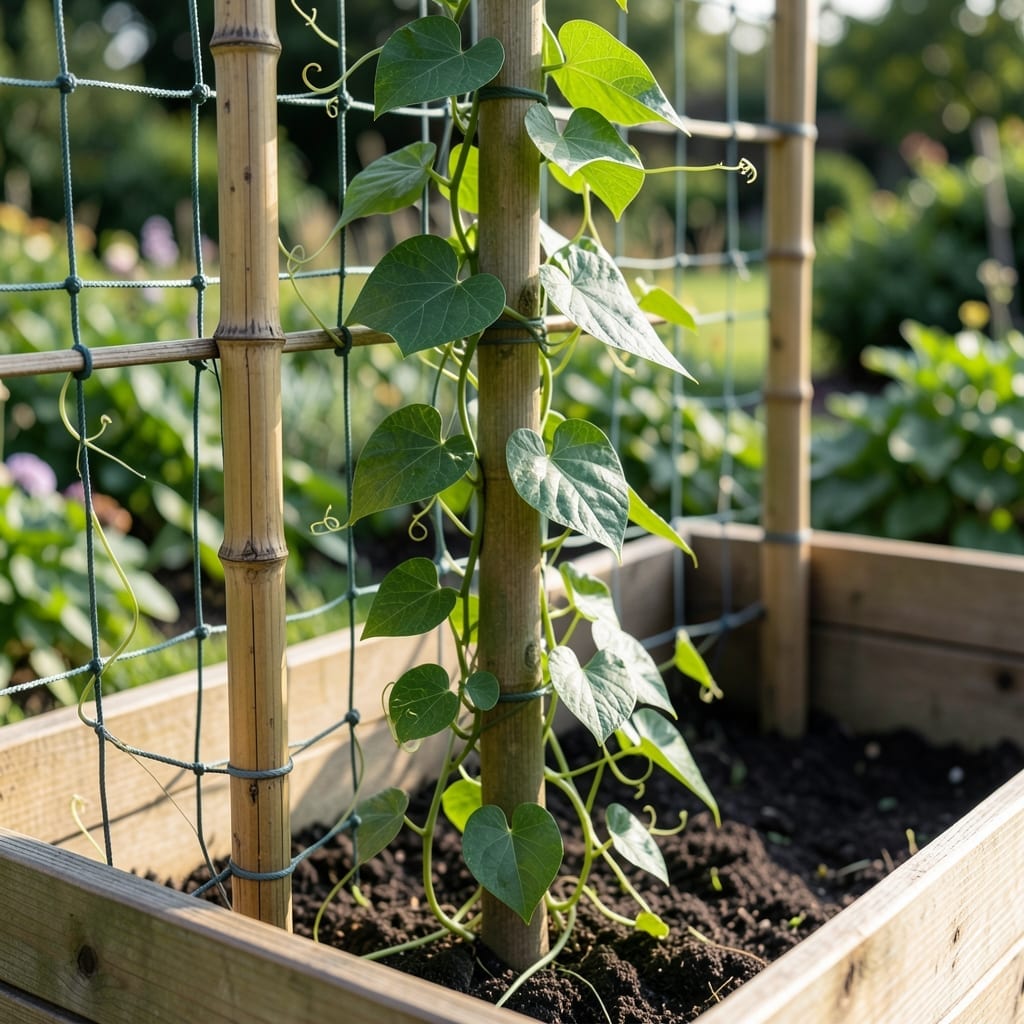
Vertical growing changed my entire garden layout last season. Plants that used to sprawl across the ground now climb neatly, saving space and making harvesting easier than ever.
I started with a simple trellis net for my cucumbers and was shocked by the difference. The vines grew twice as tall in half the footprint, and the fruit came in straighter and cleaner. Pole beans and peas followed with the same impressive results.
Installation takes less than an hour with basic supplies—just secure the net to sturdy posts or an existing fence. The plants do the rest, wrapping their tendrils around the mesh as they reach for the sun.
Works for any climbing variety, from delicate sweet peas to heavy melons. You’ll wonder why you didn’t try this sooner.
Climbing plants rely on external structures like trellis nets for several biological and environmental reasons. Understanding these causes helps gardeners provide the best care for their vines, creepers, and other climbing species.
Many climbing plants, such as peas, beans, and ivy, have evolved to grow vertically as a survival strategy. In the wild, they use trees, rocks, or other plants for support to reach sunlight more efficiently. A trellis net mimics these natural conditions, allowing the plant to follow its innate tendency to climb while maximizing light exposure for photosynthesis.
Some climbing plants have thin, flexible stems that cannot support their own weight as they grow taller. Without a sturdy trellis net, these stems may flop over, break, or grow in tangled, unruly patterns. The net provides the necessary physical support to keep the plant upright, ensuring healthy development and preventing damage from wind or rain.
Vertical growth is a space-saving adaptation. In dense forests or small gardens, climbing plants use a trellis net to grow upward instead of outward, conserving ground space. This is especially useful in urban gardening or container planting, where real estate is limited. The net guides the plant’s direction, promoting organized and efficient growth.
When climbing plants are left to sprawl on the ground, poor air circulation can lead to fungal diseases or pest infestations. A trellis net elevates the foliage, improving airflow around the leaves and stems. This reduces humidity buildup and minimizes the risk of common plant health issues, keeping the plant thriving.
When your climbing plants struggle with their trellis net, quick and practical solutions can restore their upward growth. Below are targeted fixes for the most common problems, along with prevention tips to keep your vertical garden thriving.
Fix: Tighten the net by re-anchoring it to the support structure. Use zip ties, garden twine, or hooks to secure it firmly at multiple points. If the net is stretched out, replace it with a new one made of durable, UV-resistant material like polyester or nylon.
Prevention: 💡 Install the net taut from the start and check tension every few weeks, especially after heavy rain or wind.
Fix: Gently weave the plant’s tendrils or vines through the net’s openings to guide them. For heavier plants like cucumbers or squash, use soft plant ties to attach them to the net until they grip it on their own.
Prevention: 🎯 Choose a net with larger mesh (4-6 inches) for thick-stemmed plants and smaller mesh (2-3 inches) for delicate climbers like sweet peas.
Fix: Patch small tears with a piece of matching net or duct tape. For extensive damage, replace the net entirely. Opt for weatherproof materials like polyethylene, which resists rot and UV fading.
Prevention: ✨ Take the net down during harsh winter months or store it in a dry place if not in use. Apply a protective spray to prolong its life.
Fix: Remove pests by hand or spray the net with a mild soapy water solution. For stubborn infestations, use neem oil or insecticidal soap, ensuring it’s safe for your plants.
Prevention: 🌡️ Regularly inspect the net and plants for early signs of pests. Keep the garden area clean and free of debris where pests might hide.
Polyester or nylon nets last longest as they resist UV damage and weathering. Avoid cheap plastic versions that degrade in sunlight.
Mount it at least 5-6 feet tall for most climbers. Taller varieties like pole beans may need 8 feet for full growth.
Clean and store it dry over winter. Check for tears before reinstalling in spring.
Some plants need help at first. Gently weave tendrils through the mesh or use soft ties until they grip.