
Beautiful Plants For Your Interior
Beautiful Plants For Your Interior
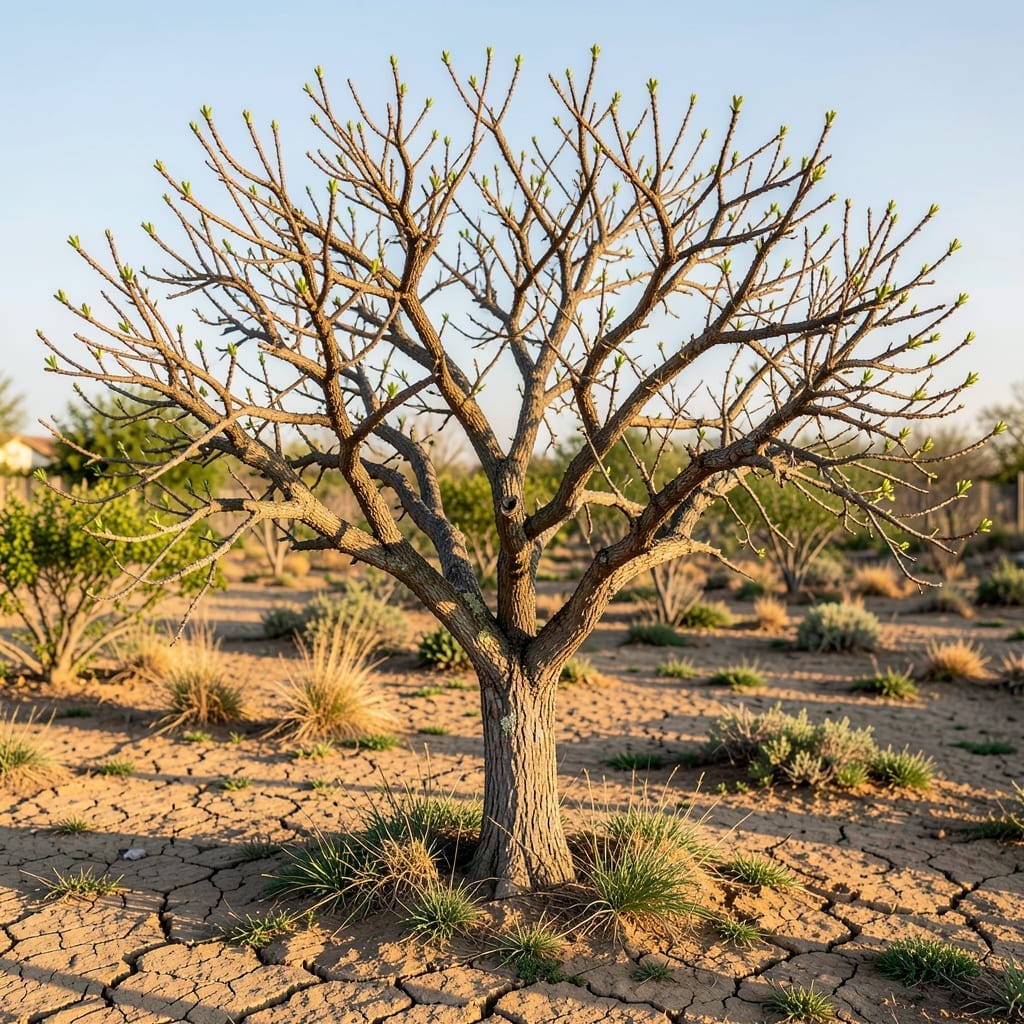
That bare, lifeless tree might just be taking a nap. I’ve stood in my yard staring at what I thought were goners, only to see fresh buds weeks later.
Dormancy, drought stress, or even a late frost can make trees look dead when they’re actually conserving energy. The scratch test—peeling back a bit of bark—reveals green underneath if there’s still life.
You’ll spot subtle signs like flexible twigs, intact buds, or a single leaf clinging on. These clues mean patience and proper care can bring it back.
Works for maples, oaks, and fruit trees alike. Don’t reach for the chainsaw just yet.
Even the hardiest trees can look like they’ve kicked the bucket, but often, they’re just caught in a survival act. Here’s what’s really going on beneath the bark:
Deciduous trees (like oaks or maples) enter dormancy in winter or drought, shedding leaves and halting growth to conserve energy. This is a normal survival strategy—metabolic activity slows, but the roots and cambium (growth layer under the bark) stay alive. Evergreens may brown or drop needles in extreme cold, but new growth returns in spring. Check for flexible twigs (a sign of life) or scratch the bark to reveal green tissue.
Overwatering suffocates roots, while drought forces trees into a semi-dormant state. In both cases, foliage wilts or browns, mimicking death. Root rot (from excess moisture) turns roots mushy and black, while drought-stressed trees may have cracked soil at the base. Action: Test soil moisture 2–3 inches deep—if it’s soggy or bone-dry, adjust watering and mulch to retain balance.
Fungi like Verticillium or Phytophthora attack vascular systems, blocking water and nutrient flow. Symptoms include sudden branch dieback or yellowing leaves that don’t fall. Unlike dormancy, fungal damage often starts in one section and spreads. Look for: Dark streaks in sapwood (cut a small branch to check) or cankers on the trunk. Prune infected limbs immediately and sterilize tools to prevent spread.
Boring insects (e.g., emerald ash borer) or sap-suckers (like aphids) weaken trees by disrupting nutrient transport. A tree may appear dead as branches die off, but the core remains alive. Clues: Tiny holes in bark, sawdust-like frass, or sticky residue (honeydew) on leaves. Fix: Apply horticultural oil or insecticidal soap, and remove heavily infested wood.
Don’t give up on a tree that looks lifeless just yet. Often, a few targeted fixes can bring it back to health. Below are practical solutions for common issues that make trees appear dead but are actually reversible.
If dry soil is the culprit, give your tree a slow, deep soak. Use a soaker hose or drip irrigation to deliver water directly to the roots. Water deeply once a week (more in extreme heat) and mulch around the base to retain moisture. Prevention tip: 💡 Apply 2-4 inches of mulch yearly to keep soil consistently hydrated.
Yellowing leaves or stunted growth may signal a lack of nutrients. Test your soil first, then use a balanced, slow-release fertilizer (like 10-10-10) in early spring or fall. Avoid over-fertilizing, which can harm roots. Prevention tip: 🌡️ Replenish soil with compost annually to maintain fertility naturally.
Inspect the bark, leaves, and branches for signs of pests (e.g., holes, webbing) or disease (e.g., spots, cankers). Prune infected areas with sterilized tools and apply organic pesticides or fungicides as needed. For severe cases, consult an arborist. Prevention tip: ✨ Keep trees healthy with proper watering and pruning to reduce vulnerability.
Cold snaps or frost cracks can make trees look dead. In late winter, prune damaged branches to encourage new growth. Wrap young trunks with burlap or tree guards to prevent future injury. Prevention tip: 🎯 Plant hardy, zone-appropriate species to minimize weather-related stress.
Patience is key—some trees take months to recover. If you see any green under the bark or new buds, your efforts are likely working!
Do the scratch test: peel back a small section of bark. If you see green tissue underneath, your tree is alive. Also check for flexible twigs or any remaining leaves as positive signs.
Dormancy is the top culprit, especially in deciduous trees during winter. They shed leaves and slow growth to conserve energy, often appearing lifeless until spring.
Root rot from excess moisture turns roots mushy and black, causing foliage to wilt or brown. Test soil 2-3 inches deep—if it’s soggy, reduce watering immediately.
Recovery time varies by species and stress level. Some show improvement in 2-4 weeks with proper care, while others may take months. Patience and consistent care are key.