
Beautiful Plants For Your Interior
Beautiful Plants For Your Interior
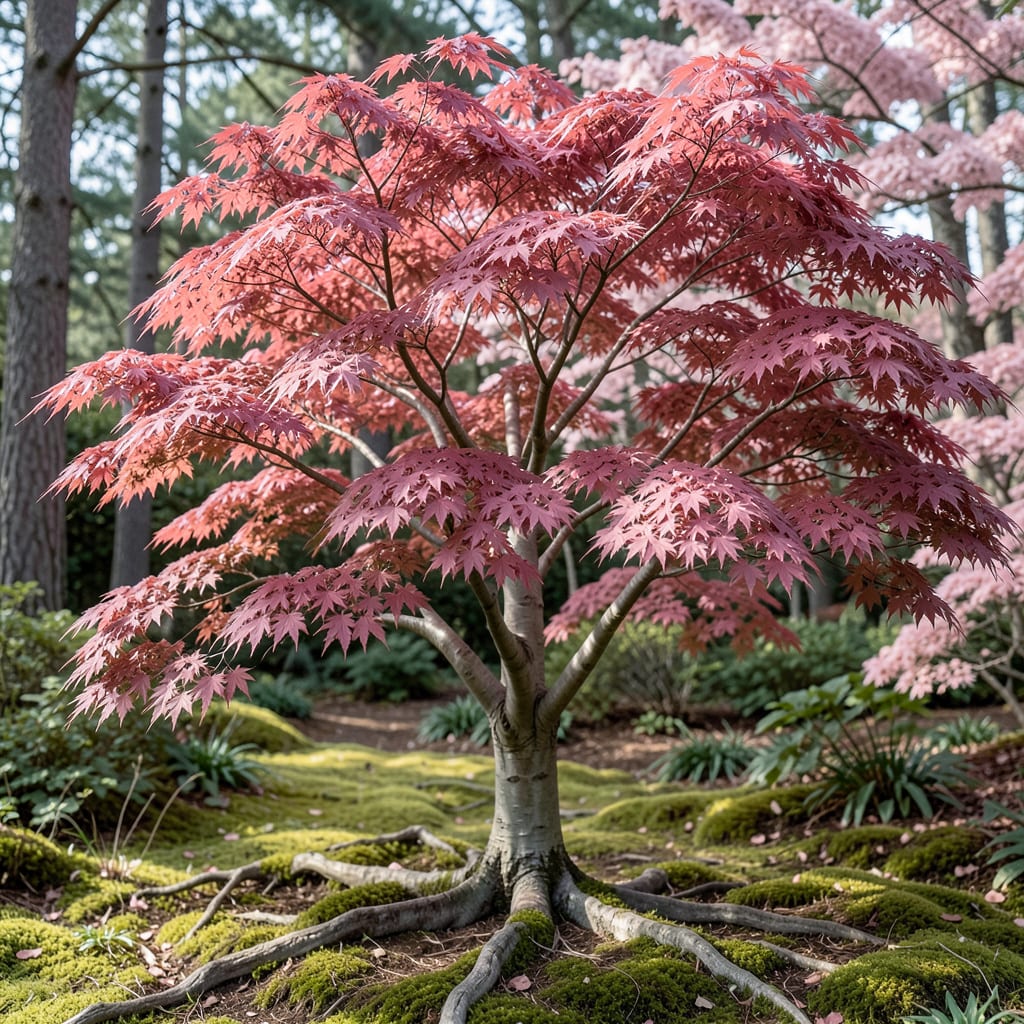
There’s nothing like watching a tree burst into pink foliage each spring. I planted my first Japanese Maple five years ago, and it still takes my breath away every April when those delicate leaves unfurl.
These trees aren’t just beautiful—they’re surprisingly low-maintenance once established. With the right spot and simple care, you can enjoy that stunning color from early spring through fall. The secret is matching the species to your climate and soil.
📚 In This Guide
This approach ensures vibrant pink foliage that stays stunning through every season without complicated care.
Choose a cultivar known for reliable pink foliage, like a Japanese maple ‘Bloodgood’ or a redbud ‘Forest Pansy’. I always check the tag for mature size—some stay small at 10-12 feet, while others reach 25 feet or more.
Consider your climate zone too. Many pink-leaf trees thrive in USDA zones 5-9, but varieties like the purple leaf plum need warmer zone 7-10 to prevent winter dieback. Pick one that matches your local conditions.
Visit a local nursery in spring when trees are in leaf. That way, you can verify the pink color intensity before buying. Some varieties fade to green in summer heat, so ask about seasonal color changes.
Most pink-leaf trees need partial to full sun to maintain their vibrant color. I’ve found that morning sun with afternoon shade prevents leaf scorch while keeping the pink tones rich. Avoid deep shade—it turns foliage green.
Dig a hole twice as wide as the root ball but no deeper. Pink-leaf trees prefer well-draining soil with a slightly acidic to neutral pH of 6.0-7.0. If your soil is heavy clay, amend with compost to improve drainage.
Water the tree deeply after planting, then mulch with 2-3 inches of organic mulch to retain moisture. Keep the mulch 6 inches away from the trunk to prevent rot. The first week is critical—check soil daily and water when the top inch feels dry.
Pink-leaf trees need consistent moisture, especially during the first year. I water mine deeply once or twice weekly, depending on rainfall. The goal is to keep soil evenly moist but never soggy.
Use a balanced, slow-release fertilizer in early spring, just as new growth appears. I apply 1-2 pounds per inch of trunk diameter, following package instructions. Too much nitrogen can cause excessive green growth, muting the pink color.
Watch for signs of stress: wilting in afternoon heat means it needs more water, while yellowing leaves often indicate overwatering. A tree with vibrant pink foliage is a healthy, well-cared-for tree.
Prune in late winter or early spring before new growth starts. I remove dead, diseased, or crossing branches first, then shape the tree as needed. Always use clean, sharp tools to make smooth cuts.
Thin out dense areas to improve air circulation, which reduces disease risk. For trees like Japanese maple, avoid heavy pruning—light shaping is all they need to maintain their natural form.
Step back frequently to assess your work. The goal is to enhance the tree’s natural beauty, not force it into an unnatural shape. Proper pruning keeps your pink-leaf tree healthy and looking its best.
Young trees benefit from protection against strong winds and late frosts. I use burlap wraps for the first winter if temperatures drop below 20°F. For summer heat, a layer of mulch helps retain soil moisture.
Keep an eye out for pests like aphids or scale, which can stress the tree and affect leaf color. I inspect mine weekly during growing season, treating any issues with horticultural oil or insecticidal soap as needed.
With proper care, your pink-leaf tree will provide stunning color from spring through fall. Some varieties, like the purple leaf plum, even offer beautiful pink blossoms before the leaves emerge.
Small adjustments in planting and care make a huge difference for vibrant pink foliage.
Selection Tip: In Step 1, verify the mature size on the tag—some varieties stay compact at 10-12 feet, while others can reach 25 feet or more. Planting a tree that outgrows its space leads to constant pruning and stress, which dulls that beautiful pink color. I learned this the hard way after planting a ‘Bloodgood’ too close to my house.
Sunlight Strategy: For Step 2, that morning sun with afternoon shade is non-negotiable for many pink-leaf varieties. Deep shade turns foliage green, while harsh afternoon sun can scorch leaves. If your yard only gets full sun, consider varieties like purple leaf plum that handle heat better, but even those need protection in the hottest part of the day.
Soil and Mulch: The 2-3 inches of organic mulch mentioned in Step 2 isn’t just for looks—it retains moisture and regulates soil temperature. But here’s what nobody tells you: keep it exactly 6 inches away from the trunk. Mulch piled against the bark traps moisture and invites rot, which can kill a young tree before it establishes.
Fertilizer Caution: In Step 3, that 1-2 pounds of fertilizer per inch of trunk diameter is precise for a reason. Too much nitrogen, especially in fast-release formulas, pushes green growth that overwhelms the pink. I use half the recommended amount on the package for my ‘Forest Pansy’ redbud—it keeps the color vivid without stressing the tree.
Popular choices include the Pink Princess Dogwood, Purple Leaf Plum, and Japanese Maple ‘Shishigashira’. Each offers unique shades of pink, from soft blush to vibrant magenta, and thrives in different climates.
Most pink-leafed trees, like the Flowering Dogwood, bloom in spring (March–May). Some, such as the Smoke Tree, display pink foliage year-round, while others, like the Redbud, turn pinkish in fall.
Yes! Dwarf varieties like the Dwarf Pink Weeping Cherry or ‘Bonfire’ Peach Tree fit small spaces. Container gardening is also an option for patios. Always check mature size before planting!
This often happens due to nutrient deficiencies (like nitrogen) or too much shade. Ensure full sun exposure (6+ hours daily) and use a balanced fertilizer to maintain vibrant pink hues.
Absolutely! Cold-hardy options include the ‘Royalty’ Crabapple (Zones 4–8) and ‘Bloodgood’ Japanese Maple (Zones 5–8). Mulch roots in winter for extra protection.
