
Beautiful Plants For Your Interior
Beautiful Plants For Your Interior
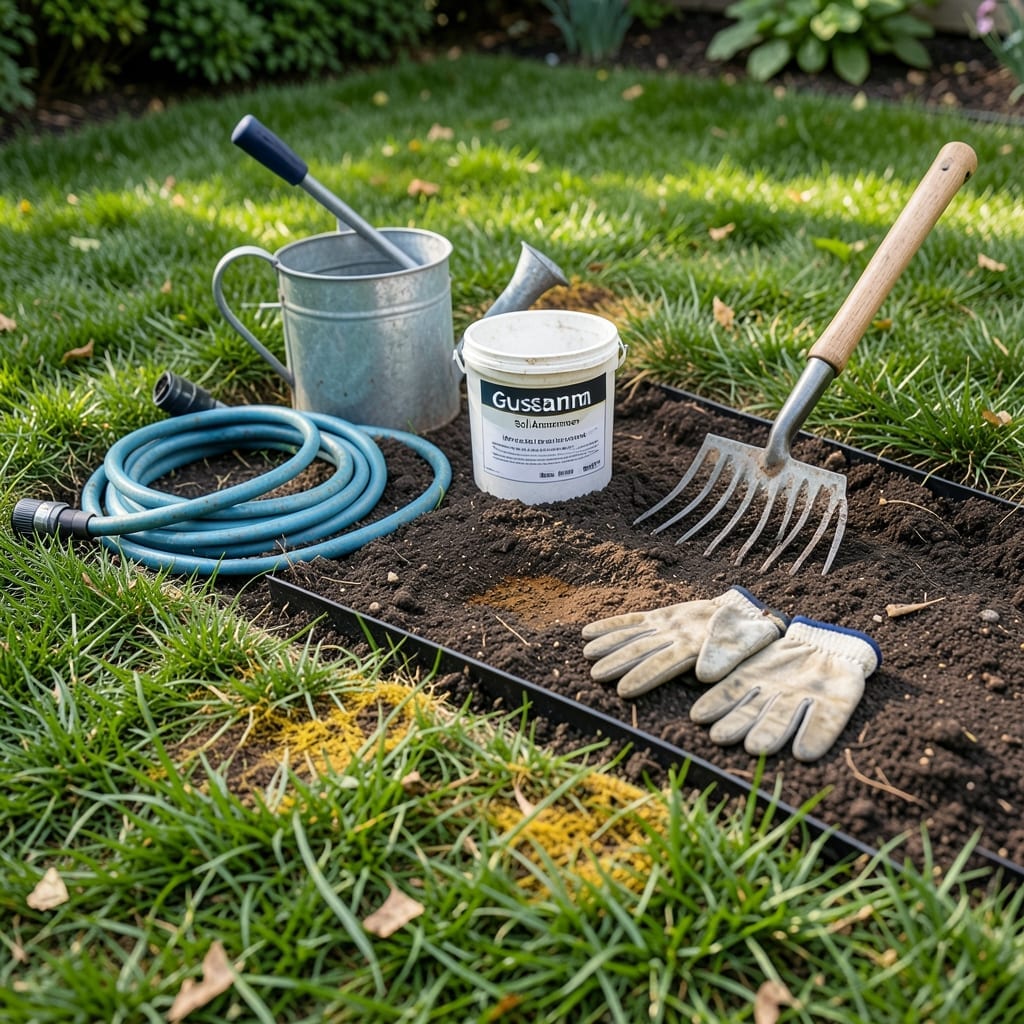
Those yellow spots on your lawn aren’t your dog’s fault. 🌱 I’ve seen perfectly green grass turn into patchy wastelands overnight, and it’s not about the dog—it’s about the chemistry.
The high nitrogen in urine burns grass, but the solution isn’t complicated. Simple changes like watering the area right after your dog goes can dilute the damage. I’ve tested this with my own yard, and it works.
You’ll restore those brown patches faster than you think. Natural remedies like gypsum or baking soda neutralize the soil, and some grass types handle urine better than others.
No harsh chemicals, no drastic measures—just smart, pet-friendly fixes that keep your lawn lush and your pup happy.
Dog urine can turn your lush green lawn into a patchy, brown eyesore. The culprit isn’t just the urine itself—it’s the high nitrogen concentration and other compounds that disrupt your grass’s natural balance. Here’s a breakdown of the science behind the damage:
Dog urine contains urea, a nitrogen-rich compound that, in small amounts, can act as a fertilizer. However, the nitrogen concentration in canine urine is often too high for grass to process. This leads to nitrogen burn, where the excess nutrients draw water out of the grass roots, causing dehydration and cell damage. The result? Those unsightly yellow or brown spots.
Beyond nitrogen, dog urine also contains salt (sodium) and acidic compounds. Salt disrupts the soil’s moisture balance, making it harder for grass to absorb water. Meanwhile, the acidity (pH levels often between 5.5 and 7.5) can alter the soil’s chemistry, further stressing the grass. Over time, this creates a hostile environment where healthy growth is nearly impossible.
The size of your dog and how often they urinate in the same spot play a big role. Larger dogs produce more urine, delivering a higher concentration of nitrogen in one go. If your pup repeatedly uses the same area, the cumulative effect amplifies the damage. Even small dogs can cause problems if their urine is highly concentrated due to diet or hydration levels.
Understanding these causes helps you take targeted action—whether it’s adjusting your dog’s diet, training them to urinate in a designated area, or treating the soil to restore balance.
Tackling dog urine spots on your lawn starts with understanding the cause. Here’s how to address each issue and restore your grass to its lush, green glory.
Dog urine is rich in nitrogen, which can burn grass. To neutralize it, rinse the area immediately with water to dilute the nitrogen. For existing spots, apply a mixture of 1 part baking soda to 1 part water to balance the pH. Re-seed or lay new sod if the damage is severe.
Prevention tip: 💡 Train your dog to urinate in a designated gravel or mulch area to protect the lawn.
Urine can make soil too acidic or alkaline. Test your soil’s pH and adjust accordingly: add lime to raise pH or sulfur to lower it. Gypsum is another great option—it helps break down urine salts without altering pH.
Prevention tip: 🌱 Water your lawn deeply 1-2 times a week to flush out excess salts naturally.
The sooner you treat urine spots, the better. Keep a garden hose or spray bottle with water handy to rinse the area right after your dog goes. For stubborn spots, use a pet-safe enzymatic cleaner to break down urine residues.
Prevention tip: ✨ Walk your dog in different areas of the yard to avoid over-concentrating urine in one spot.
Healthy, dense grass resists urine damage better. Overseed bare spots with urine-resistant grass types like tall fescue or ryegrass. Keep your lawn well-fertilized (but avoid high-nitrogen fertilizers) and mowed at the right height for your grass type.
Prevention tip: 🎯 Aerate your lawn annually to improve water absorption and root strength.
It depends on urine concentration and grass health. High-nitrogen urine burns weak grass but may fertilize stronger areas. Soil moisture and grass type also play roles in resistance.
Within 10-15 minutes is ideal. The sooner you dilute the urine with water, the less damage it can do to your lawn. Keep a hose handy for quick action.
Yes! Tall fescue and ryegrass handle urine better than others. Kentucky bluegrass is more sensitive. Consider overseeding with resistant varieties.
Avoid vinegar—it’s too acidic and can harm grass. Instead, use baking soda or gypsum to safely neutralize urine. Always test on a small area first.