
Beautiful Plants For Your Interior
Beautiful Plants For Your Interior
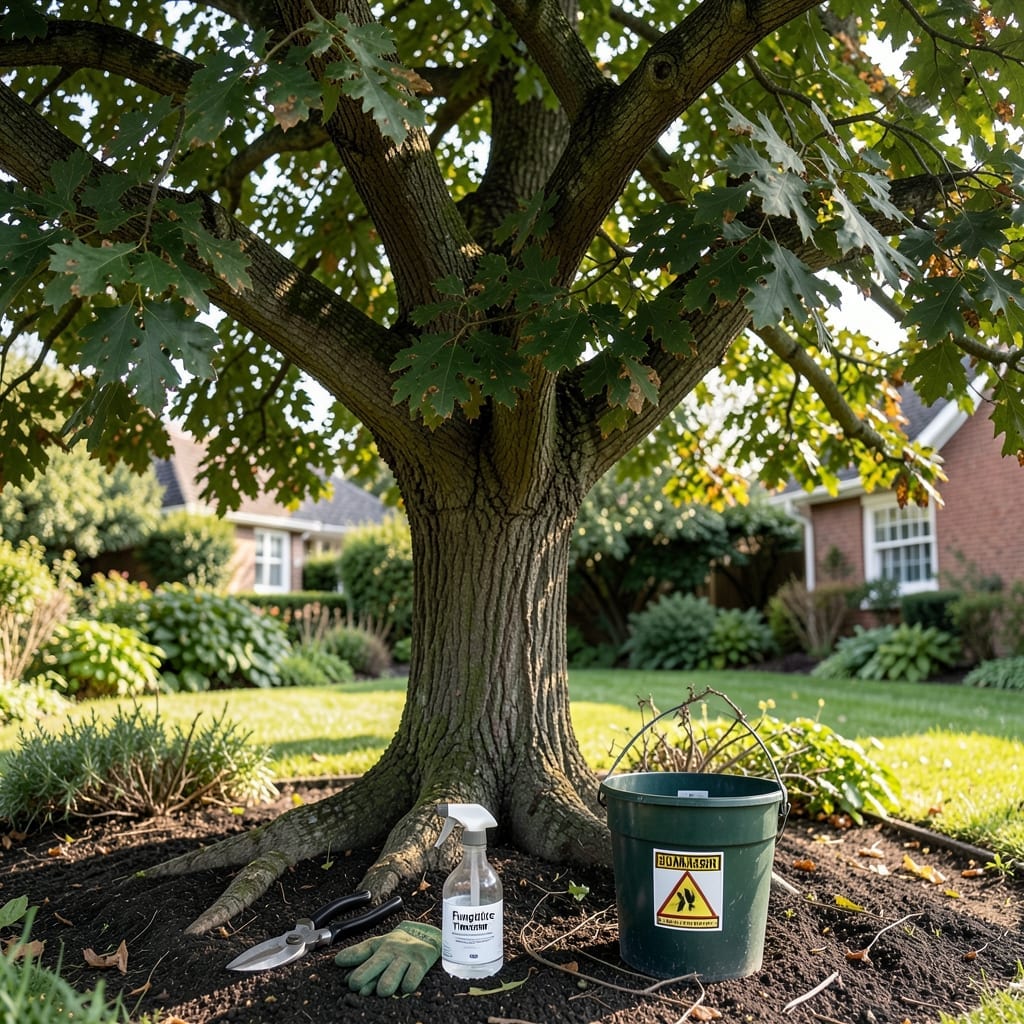
That first brown spot on your tree’s leaves hits different. I’ve nursed sick trees back from the brink more times than I can count, and the turnaround is always shocking.
Most diseases start with subtle signs—spots, wilting, or unusual growths—that escalate fast if ignored. The key is catching them early and matching the treatment to the problem, whether it’s fungal, bacterial, or environmental stress.
With the right approach, you’ll see new healthy growth within 2-3 weeks. The tree regains vigor, leaves return to their deep green, and you avoid the heartbreak of removal.
Works for maples, oaks, fruit trees—anything in your yard. Here’s how to diagnose and fix it.
Understanding the root causes of tree diseases is the first step toward effective treating and prevention. Here are the primary factors that lead to diseased trees:
Extreme weather conditions like drought, flooding, or temperature swings weaken trees, making them susceptible to infections. Poor soil quality, compacted roots, or nutrient deficiencies also stress trees, reducing their natural defenses. Actionable tip: Monitor soil moisture and aerate compacted soil to improve root health.
Fungi, bacteria, and viruses are common culprits. Fungal diseases like anthracnose or root rot thrive in wet conditions, while bacterial infections (e.g., fire blight) spread via pruning tools or insects. Viruses, though less common, can be transmitted by pests. Actionable tip: Sterilize pruning tools and remove infected plant debris to curb spread.
Insects such as bark beetles, aphids, or borers create entry points for pathogens. Sap-sucking pests also weaken trees by depleting nutrients. Actionable tip: Use integrated pest management (IPM) strategies, like beneficial nematodes or horticultural oils, to control infestations.
Improper planting depth, over/under-watering, or incorrect pruning can stress trees. Wounds from lawnmowers or improper mulching also invite disease. Actionable tip: Follow best practices for planting, watering, and pruning to maintain tree vigor.
Tackling tree diseases starts with identifying the problem and applying the right fix. Here’s a practical guide to common issues and their solutions, plus tips to keep your trees thriving.
Fungal diseases like powdery mildew or root rot thrive in damp conditions. Remove infected branches with sterilized pruning shears to prevent spread. Apply a fungicide (copper-based or neem oil) to the affected areas and surrounding soil. Prevention tip: 💡 Improve airflow by thinning branches and avoid overhead watering to reduce moisture buildup.
Pests like aphids, borers, or beetles weaken trees by feeding on leaves, bark, or roots. For mild cases, spray with insecticidal soap or horticultural oil. For severe infestations, use a targeted pesticide, but opt for eco-friendly options when possible. Prevention tip: 🎯 Encourage beneficial insects (like ladybugs) and keep the tree’s surrounding area clean of debris.
Yellowing leaves or stunted growth often signal a lack of essential nutrients. Test your soil to identify deficiencies, then amend it with compost or a balanced fertilizer. For iron deficiency, apply chelated iron to the soil. Prevention tip: ✨ Regularly mulch around the base to retain moisture and slowly release nutrients.
Too much water can suffocate roots, while too little leads to stress. Check soil moisture 2-3 inches deep—water only if dry. For drought-stressed trees, deep watering (slow and infrequent) encourages strong root growth. Prevention tip: 🌡️ Use drip irrigation to deliver water directly to the roots and avoid runoff.
Look for discolored leaves, unusual spots, or premature leaf drop. Also check for oozing sap, cracked bark, or stunted growth. A certified arborist can confirm if these are signs of disease.
Yes! A baking soda spray (1 tablespoon per gallon of water) can help with fungal issues. Neem oil is another natural option for pests and some diseases.
Early morning or late evening is ideal to avoid heat stress. For fungal treatments, apply before rain or watering. Most treatments work best in spring or early summer.
Only if your tools aren’t clean. Always sterilize pruners with rubbing alcohol between cuts. Remove at least 6 inches below visible symptoms to be safe.