
Beautiful Plants For Your Interior
Beautiful Plants For Your Interior
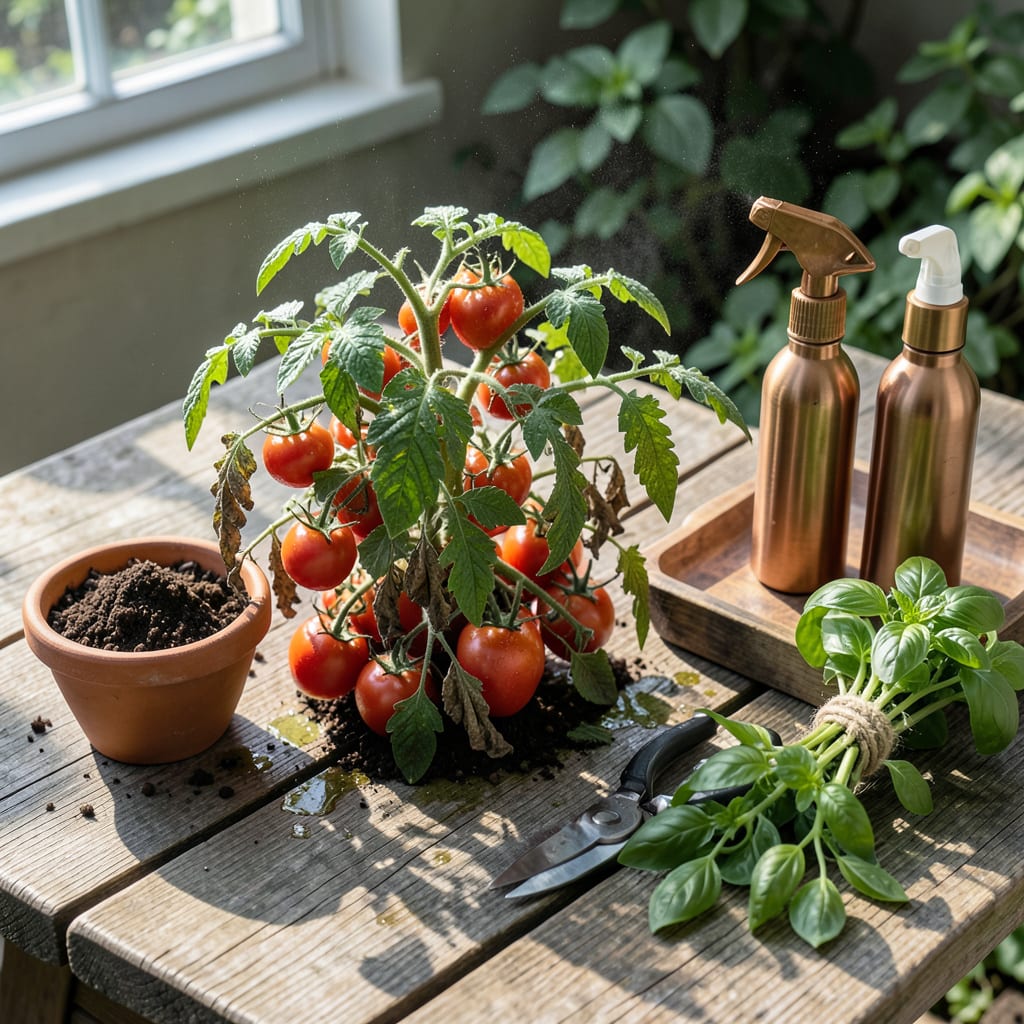
Nothing breaks a gardener’s heart like watching tomato leaves yellow and curl. I’ve lost entire plants to blight before learning the early warning signs—spotted leaves, wilting stems, or that telltale white powder.
The good news? Most diseases respond to quick action with organic sprays or simple cultural fixes. I start with neem oil for fungal issues and copper for bacterial ones, always removing infected leaves first to stop the spread.
Prevention beats treatment every time. Proper spacing, drip irrigation, and crop rotation cut disease risk by 70%. Even my once-diseased plants bounce back with these adjustments.
Works for heirlooms, cherry types, and beefsteaks alike. Here’s how to save your season.
Understanding why tomato plants fall ill is the first step toward prevention and treating diseased tomato plants effectively. Below are the most common causes, broken down by category.
Fungi thrive in warm, humid conditions, making tomatoes a prime target. Common culprits include Alternaria solani (early blight) and Phytophthora infestans (late blight). These pathogens spread via spores in water or soil, attacking leaves, stems, and fruit. Overhead watering and poor air circulation worsen the issue.
Bacteria like Pseudomonas syringae (bacterial speck) and Xanthomonas campestris (bacterial spot) enter through wounds or stomata, causing spots, wilting, or cankers. Contaminated tools, splashing water, or infected seeds often introduce these microbes.
Insects such as aphids, whiteflies, and hornworms weaken plants by feeding on sap or foliage, creating entry points for secondary infections. Their sticky honeydew also promotes sooty mold growth, further stressing the plant.
Extreme temperatures, drought, or waterlogged soil stress tomatoes, reducing their natural defenses. Heat stress can trigger blossom end rot (a calcium deficiency), while cold snaps stunt growth, making plants more susceptible to disease.
Lack of essential nutrients—like calcium, potassium, or magnesium—weakens plant immunity. For example, calcium deficiency causes blossom end rot, while nitrogen excess leads to lush but disease-prone foliage.
When your tomato plants show signs of disease, quick and targeted action can save your crop. Below are practical solutions for common issues, paired with prevention tips to keep your plants thriving.
Fix: Remove infected leaves or stems immediately and dispose of them in the trash (not compost). Apply a copper-based fungicide or a homemade mix of 1 tbsp baking soda + 1 tsp dish soap in 1 gallon of water, spraying every 7–10 days. Prune plants to improve airflow.
Prevent: Rotate crops yearly, avoid overhead watering, and use mulch to prevent soil splash. Choose blight-resistant varieties like ‘Mountain Merit’ or ‘Defiant PhR’.
Fix: Spray affected leaves with a 1:10 milk-to-water solution or neem oil (1 tbsp per gallon of water) weekly. Remove heavily infected foliage to halt spread.
Prevent: Space plants 2–3 feet apart for airflow, and water early in the day so leaves dry quickly. Resistant varieties include ‘Jeto’ or ‘Plum Regal’.
Fix: Unfortunately, there’s no cure—remove and destroy infected plants to protect others. Disinfect tools with rubbing alcohol after handling.
Prevent: Control aphids (common carriers) with insecticidal soap. Use row covers early in the season and plant virus-resistant seeds like ‘Celebrity’ or ‘Sweet Million’.
Always sterilize gardening tools and stakes between uses to avoid spreading pathogens. A simple 10% bleach solution works wonders! ✨
For active infections, apply copper fungicide every 7-10 days or after rain. For prevention, every 2 weeks is sufficient. Always follow label instructions for the best results.
No, never compost infected plants. The pathogens can survive and spread to next season’s crops. Dispose of them in the trash or burn them if local regulations allow.
Prune lower leaves, space plants 2-3 feet apart, and use trellises for vining varieties. This reduces humidity and helps prevent fungal diseases.
Neem oil is effective against fungal issues like powdery mildew, but won’t cure bacterial or viral infections. For those, use copper sprays or remove infected plants entirely.
