
Beautiful Plants For Your Interior
Beautiful Plants For Your Interior
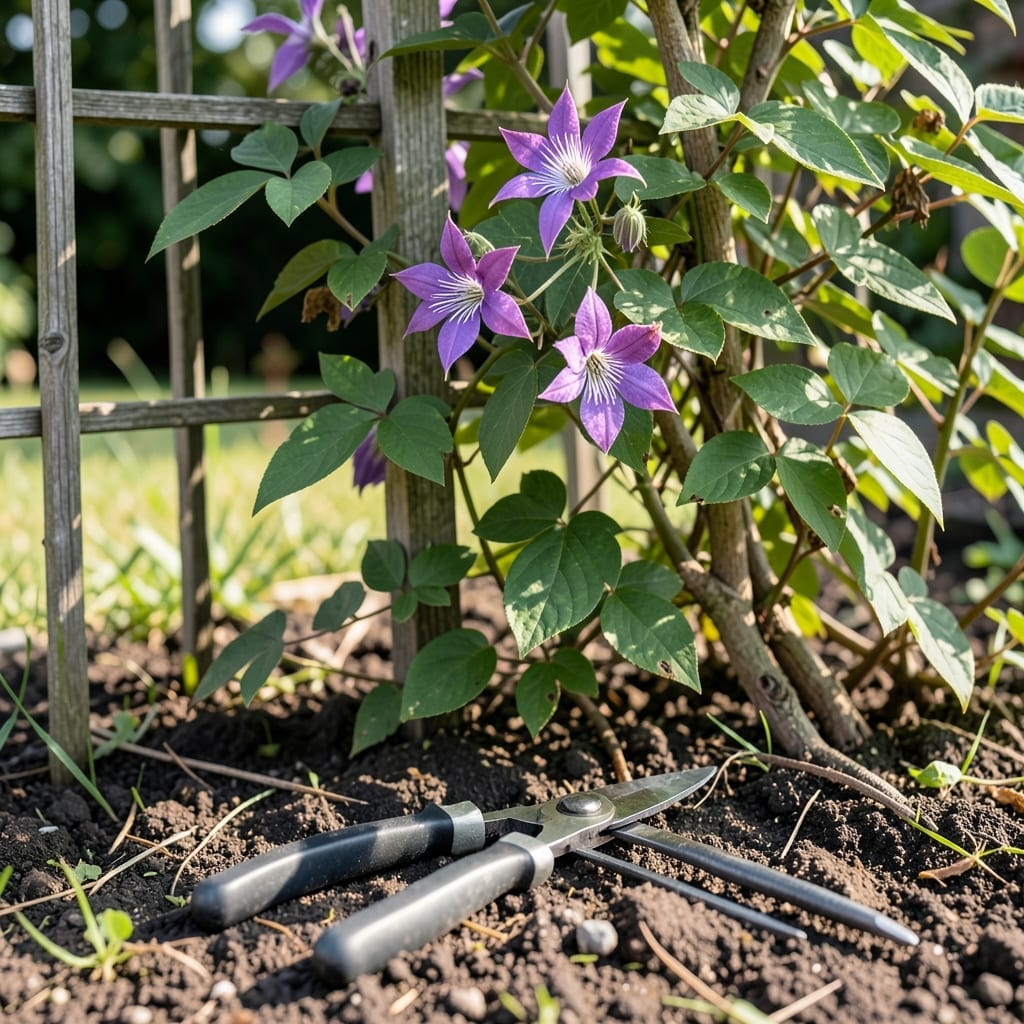
My clematis went from lush to limp overnight. Clematis wilt strikes fast, turning vibrant vines into sad, drooping messes before you even realize what’s happening.
I’ve lost count of how many I’ve revived by catching it early. The key is acting the moment you spot wilting leaves—usually in spring or early summer. Left unchecked, it spreads down the vine like wildfire.
With quick intervention, your clematis can bounce back, producing healthy new growth within 2-3 weeks. The solution isn’t complicated, but timing is everything.
Works for all clematis types, though some varieties resist it better than others. Here’s how to save your vines.
Clematis wilt is a frustrating and often sudden problem, but understanding its root causes can help you prevent and manage it effectively. Below are the primary reasons this disease strikes your vines.
The most common culprit is the fungus Phoma clematidina (formerly known as Ascochyta clematidina). This pathogen thrives in warm, wet conditions, entering the plant through wounds, pruning cuts, or natural openings. Once inside, it clogs the vascular system, cutting off water and nutrient flow, which leads to the telltale wilting, blackening of stems, and dieback. A related fungus, Cylindrocladium, can also cause similar symptoms, especially in humid climates.
Clematis roots hate soggy soil. Overwatering or poorly drained soil creates the perfect breeding ground for fungal spores. When roots sit in waterlogged conditions, they become stressed and more susceptible to infection. Additionally, excessive moisture on leaves—especially from overhead watering—can encourage fungal spore germination and spread.
Plants under stress are always more vulnerable to disease. Clematis wilt often targets vines that are already weakened by:
Healthy, well-nourished clematis with strong growth are better equipped to fend off fungal invaders.
Fungal spores can linger in the soil or on gardening tools, ready to infect new plants. If you’ve had clematis wilt before, the pathogen may still be present in the area. Using sterilized pruners and removing infected plant debris are critical steps to prevent reinfection.
Once you spot the telltale signs of clematis wilt, act fast to save your vines. Below are targeted solutions for the most common causes, along with prevention tips to keep your plants thriving.
If wilting stems show dark, water-soaked spots or a powdery coating, a fungus like Phoma clematidina is likely the culprit.
Soggy roots suffocate clematis and invite disease. Yellowing leaves or a foul odor from the soil are red flags.
Wilting in hot afternoons, especially with crispy leaf edges, signals heat or drought stress.
Check for aphids, slugs, or vine weevils—these pests can weaken stems, making them more susceptible to wilt.
It can move fast—sometimes killing a vine in 24-48 hours if left unchecked. That’s why immediate pruning of affected stems is critical.
No, only prune the affected stems 6–12 inches below the damage. Healthy leaves help the plant recover, so leave those untouched.
Yes, especially if the fungus remains in the soil or on tools. Sterilize pruners and remove all infected debris to reduce the risk.
Yes! Varieties like ‘Nelly Moser’ and ‘Jackmanii’ show better resistance. Planting these can save you future headaches.