
Beautiful Plants For Your Interior
Beautiful Plants For Your Interior
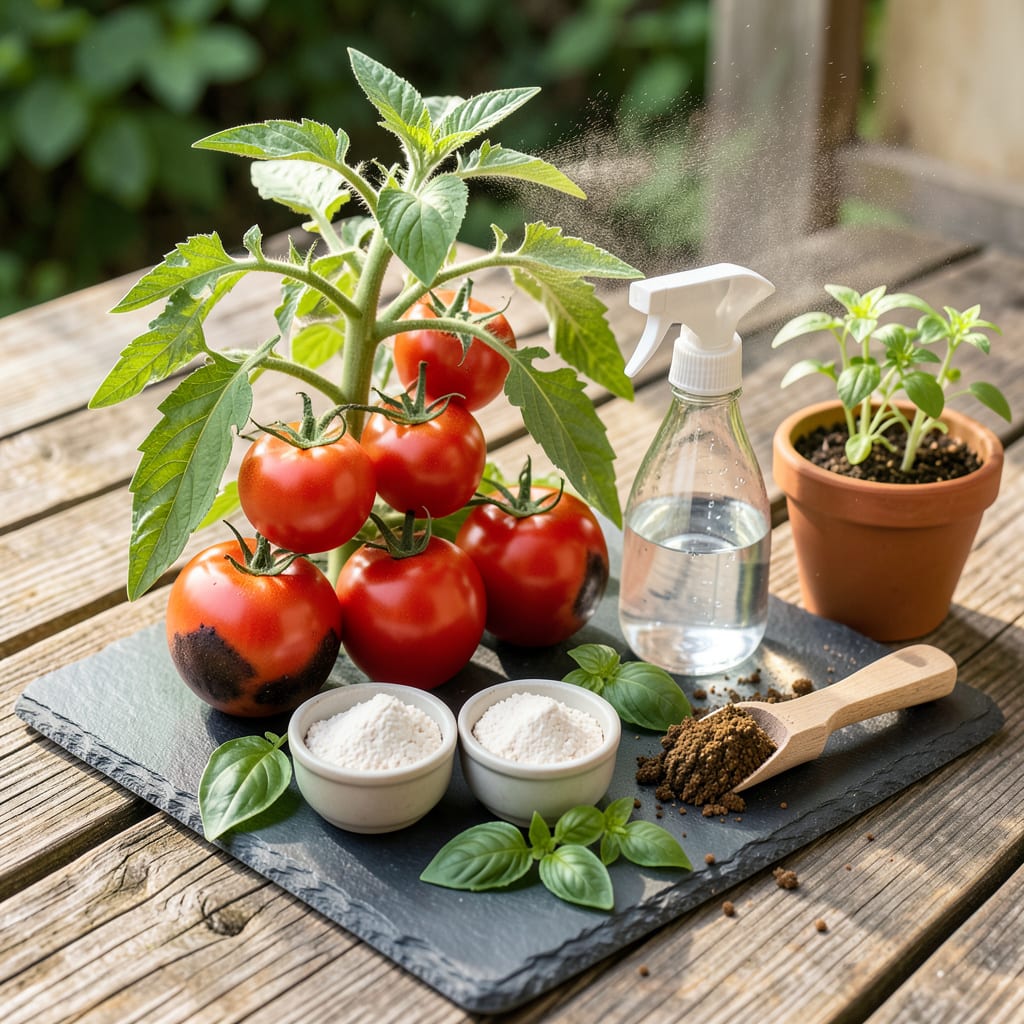
That black, sunken spot on your tomatoes isn’t rot—it’s a calcium SOS. 🌱 I lost half my harvest to blossom end rot before figuring out the real culprit wasn’t disease but inconsistent watering and poor soil balance.
Here’s the thing—this isn’t about adding more fertilizer. It’s about steady moisture and available calcium when fruits form. My plants bounced back within 2 weeks after adjusting watering and adding crushed eggshells to the soil.
You’ll see new growth looking healthy almost immediately. The existing damaged fruit won’t recover, but future tomatoes will develop normally. No more heartbreaking black bottoms.
Works for peppers, squash, and melons too. Let’s fix this for good.
Blossom end rot is a common and frustrating issue for tomato growers, but understanding its root causes can help you prevent it. Here’s why it happens:
The primary cause of blossom end rot is a lack of calcium in the developing fruit. Calcium is essential for cell wall structure, and without it, the cells at the blossom end break down, leading to the characteristic dark, sunken lesions. Even if your soil has sufficient calcium, uneven watering or root damage can prevent the plant from absorbing it effectively.
Fluctuations in soil moisture—either too much or too little—disrupt calcium uptake. Overwatering can leach calcium from the soil, while underwatering stresses the plant, limiting its ability to transport calcium to the fruit. Maintaining consistent moisture levels is key to preventing this disorder.
During periods of rapid growth, such as after heavy fertilization or warm weather, tomato plants may outpace their calcium supply. The demand for calcium in new tissues can exceed what the roots can absorb, leading to localized deficiencies in the fruit.
Soil that is too acidic (pH below 6.0) or too alkaline (pH above 7.5) can lock out calcium, making it unavailable to the plant. Testing your soil and amending it to maintain a neutral pH (6.2–6.8) ensures optimal nutrient uptake.
Extreme temperatures, high humidity, or poor drainage can stress tomato plants, further hindering calcium absorption. Cold soils slow root activity, while heatwaves increase transpiration, both of which can contribute to blossom end rot.
Blossom end rot can be frustrating, but these targeted fixes will help you restore plant health and prevent future issues. Address the root causes with these practical steps:
If your soil lacks calcium, act fast to replenish it. Crushed eggshells (washed and dried) can be worked into the soil around the base of plants. For a quicker boost, use calcium nitrate or gypsum—follow package directions for application rates. Avoid over-fertilizing with nitrogen, as it can interfere with calcium uptake.
Prevention tip: 💡 Test your soil annually and amend it with lime or bone meal before planting.
Tomatoes need steady moisture to absorb calcium effectively. Water deeply 1–2 inches per week (more in extreme heat) and mulch around plants to retain soil moisture. Drip irrigation is ideal to keep foliage dry and prevent disease. Avoid letting soil swing between soggy and bone-dry.
Prevention tip: ✨ Use a rain gauge or moisture meter to track watering needs consistently.
Calcium is less available if soil pH is too high or low. Test your soil—aim for a pH of 6.0–6.8. If pH is off, adjust with lime (to raise pH) or sulfur (to lower pH). Retest after amending to ensure balance.
Prevention tip: 🎯 Amend soil in fall or early spring to allow time for pH stabilization before planting.
Fast-growing tomatoes may outpace calcium uptake. Slow-release fertilizers help maintain steady nutrient supply. If fruiting is heavy, prune suckers to redirect energy to existing fruit and reduce stress on the plant.
Prevention tip: 🌱 Choose disease-resistant varieties and space plants properly to avoid overcrowding.
By tackling these causes, you’ll stop blossom end rot in its tracks and enjoy a bountiful, healthy harvest!
New growth shows improvement in 1-2 weeks with consistent treatment. Existing damaged fruit won’t recover, but future tomatoes develop normally.
Yes! Crush eggshells (washed/dried) into soil for a slow-release boost. For faster results, try calcium nitrate or gypsum.
Uneven moisture disrupts nutrient transport. 1-2 inches of water weekly keeps uptake steady. Avoid soggy or bone-dry extremes.
Aim for pH 6.0-6.8. Test soil and amend with lime or sulfur if needed.
