
Beautiful Plants For Your Interior
Beautiful Plants For Your Interior
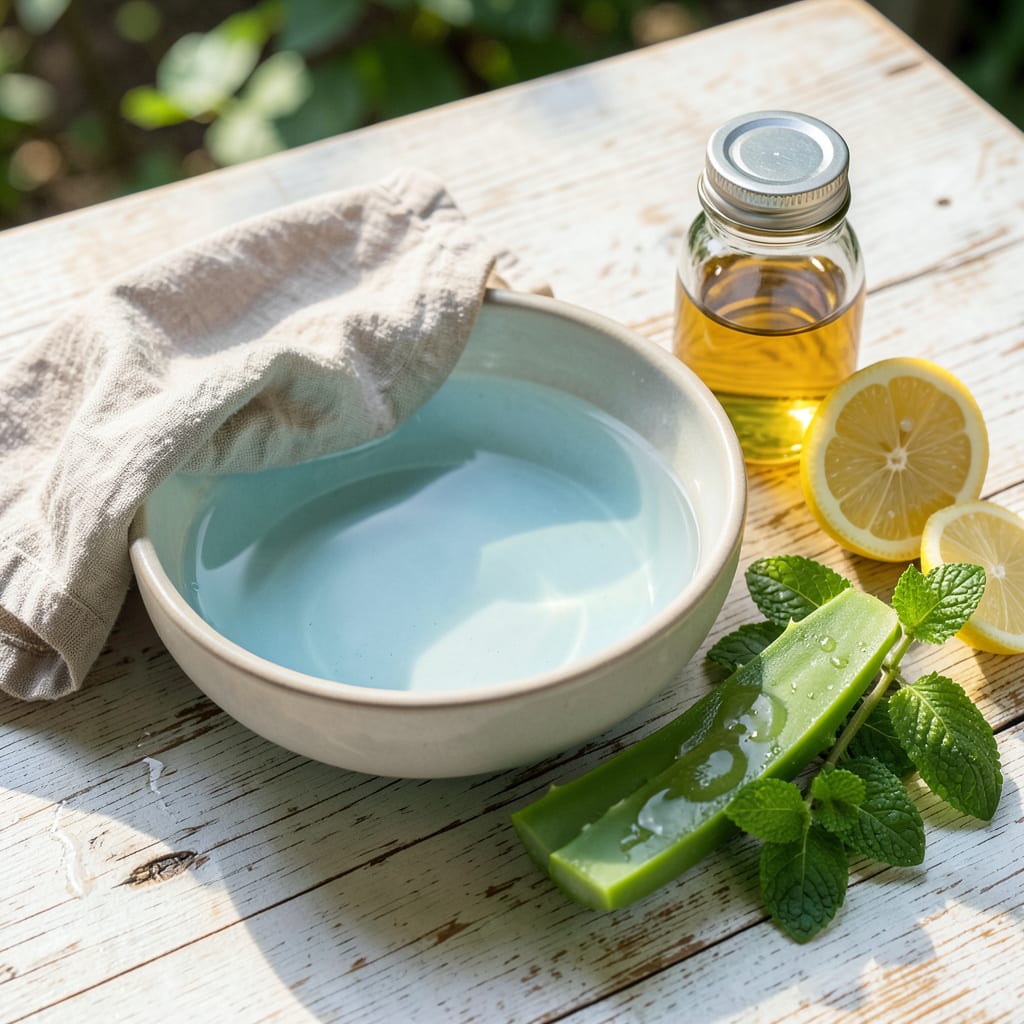
That itchy red rash means you’ve met poison ivy’s calling card. I learned the hard way that quick action makes all the difference with the discomfort.
These natural remedies bring fast relief without harsh chemicals. Cool compresses, oatmeal baths, and baking soda paste work wonders while your skin heals. Just don’t scratch—it spreads the oils.
📚 In This Guide
These methods work quickly to soothe the itch and dry up the rash without harsh chemicals.
Rinse the skin with cool water as soon as you notice the rash or suspect contact. Use a gentle soap to remove the plant’s oils, which cause the reaction. Avoid hot water, as it can open pores and spread the oils deeper into your skin.
Work under running water for at least 1-2 minutes, using your fingertips—not a washcloth—to gently cleanse the area. Pat dry with a clean towel, but don’t rub, as this can irritate the skin further. Time is critical here; the sooner you remove the oils, the milder the reaction.
Soak a clean cloth in cold water or a mixture of equal parts water and rubbing alcohol to help dry out the rash. Apply the compress to the affected area for 10-15 minutes, repeating every 2-3 hours as needed.
You’ll feel immediate relief as the cold numbs the itch, and the alcohol helps break down the oils still lingering on your skin. If the rash is on your face or sensitive areas, skip the alcohol and stick to cold water or a diluted solution to avoid irritation.
Apply a thin layer of calamine lotion or a paste made from baking soda and water to the rash. Both options dry out the blisters and reduce itching. For baking soda, mix just enough water to form a thick paste, then spread it over the rash and let it sit for 10-20 minutes before rinsing off.
Another effective option is aloe vera gel, which cools the skin and reduces inflammation. Reapply these remedies 3-4 times daily or whenever the itch flares up. You’ll notice the rash beginning to scab over within 2-3 days.
If the itching is severe, take an over-the-counter oral antihistamine like diphenhydramine (Benadryl) or loratadine (Claritin). These medications block the histamine response causing the itch and can provide relief within 30-60 minutes.
Follow the dosage instructions on the package, and avoid driving or operating machinery if you experience drowsiness. This step is especially helpful at night to ensure a good night’s sleep, as the itch can feel more intense when you’re trying to rest.
Wash all clothing, tools, or pets that may have come into contact with the plant oils using hot water and soap. The oils can remain active on surfaces for months, so it’s critical to clean everything thoroughly to avoid re-exposure.
Avoid scratching, as this can cause infection and spread the oils to other parts of your body. If the rash spreads to your eyes, mouth, or genitals, or if you develop a fever, seek medical attention immediately. Most cases improve within 1-2 weeks with consistent care.
These practical pointers will help you get the most relief while avoiding common pitfalls.
Timing Secret: In Step 1, those 1-2 minutes under running water are non-negotiable. The longer the plant oils stay on your skin, the worse the reaction will be. I learned this the hard way after trying to cut the time short—I ended up with a much more severe rash.
Sensitivity Consideration: For Step 2, if you’re applying the compress to your face or other sensitive areas, skip the rubbing alcohol entirely. The skin there is thinner and more prone to irritation. Stick with cold water or a very diluted alcohol solution to avoid making things worse.
Application Tip: In Step 3, when using the baking soda paste, don’t leave it on longer than 20 minutes at a time. It can dry out your skin too much if overused. Rinse it off gently, then reapply later if the itching returns. Trust me on this.
Untreated poison ivy rashes typically last 1-3 weeks. The duration depends on severity and skin sensitivity. Early treatment with home remedies can shorten healing time and ease discomfort.
Yes! Apple cider vinegar can help dry out the rash and relieve itching due to its astringent properties. Dilute it with water (1:1 ratio) and apply with a cotton ball 2-3 times daily.
Seek medical attention if the rash covers a large area, is on your face/genitals, or causes severe swelling. Also, visit a doctor if you develop fever, pus, or signs of infection.
Absolutely! A baking soda paste (mix with water) can soothe itching and reduce inflammation. Apply for 10-15 minutes, then rinse off. Repeat as needed for relief.
No, the rash itself isn’t contagious, but scratching can cause infection or spread urushiol oil from under your nails. Wash hands thoroughly and avoid touching the affected area.
