
Beautiful Plants For Your Interior
Beautiful Plants For Your Interior
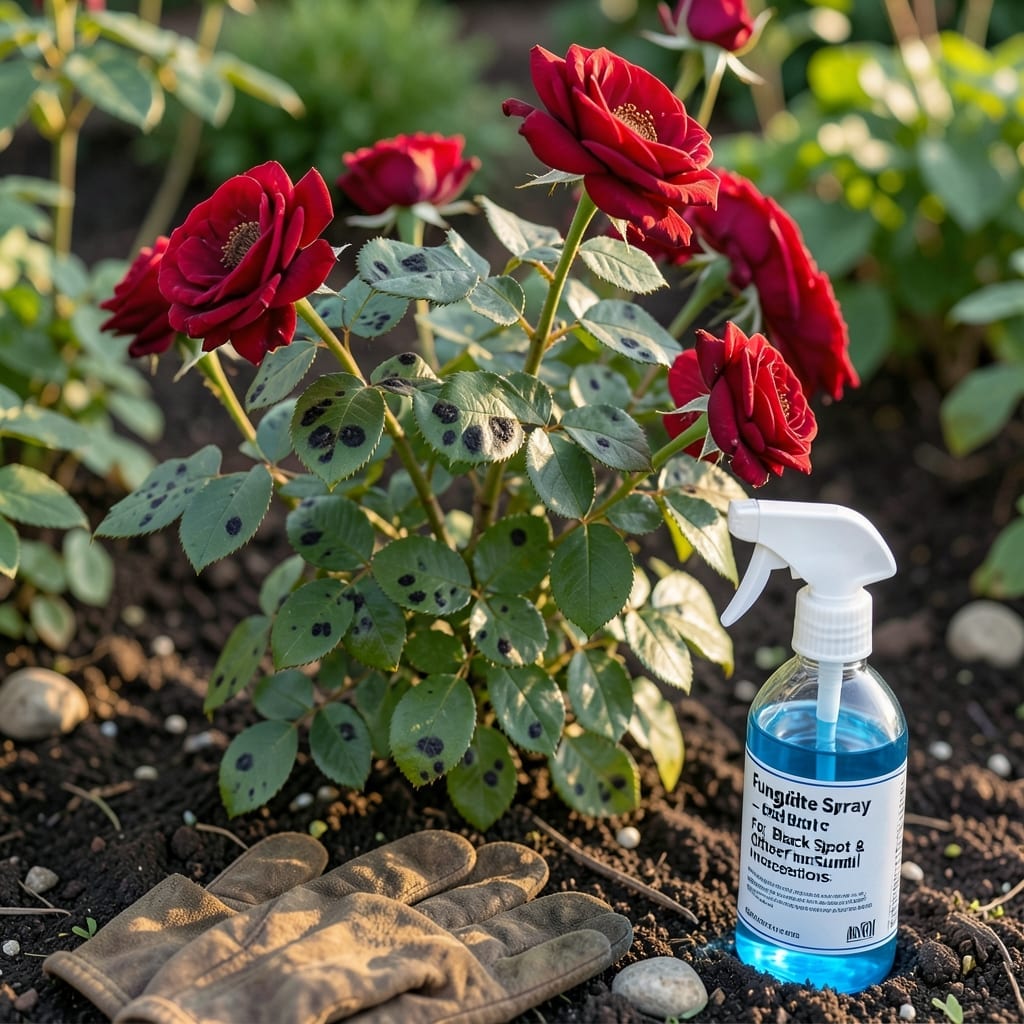
Black spot nearly ruined my rose garden last summer. The dark splotches spread fast, turning vibrant leaves yellow and dropping them to the ground within days.
I learned this fungal enemy thrives in wet conditions, especially with poor air circulation. My roses looked doomed until I discovered a simple treatment routine that stopped the spread and revived healthy growth in 2-3 weeks.
Now my bushes stay lush and productive through the entire season. The key is consistency with both prevention and treatment—no shortcuts work long-term.
Works for hybrid teas, climbers, and shrub roses. This approach saved my garden, and it can save yours too.
Black spot, a common fungal disease in roses, thrives under specific conditions. Understanding its causes helps you prevent and treat it effectively.
Fungal spores like Diplocarpon rosae spread rapidly in wet environments. Overhead watering, poor drainage, or high humidity create the perfect breeding ground. Roses with wet foliage for extended periods are especially vulnerable.
Dense plantings or overcrowded gardens restrict airflow, trapping moisture on leaves. This stagnant environment accelerates spore germination and infection. Pruning for better ventilation can reduce risk.
Fallen leaves, stems, or soil harbor fungal spores overwinter. If not removed, they reinfect new growth in spring. Sanitizing garden tools and clearing debris disrupts the disease cycle.
Black spot thrives in 60–85°F (15–29°C) ranges, especially when combined with moisture. Heat alone doesn’t cause it, but paired with humidity, it supercharges spore activity.
Black spot can be stubborn, but with the right approach, your roses can bounce back. Here’s how to tackle it based on the root cause:
Water at the base of the plant early in the morning so foliage dries quickly. Use a soaker hose or drip irrigation to keep leaves dry. Prevention tip: Always water the soil, not the leaves—this cuts fungal spores’ chance to spread. 💡
Thin out crowded stems to improve airflow. Space plants 3-4 feet apart to reduce humidity buildup. Remove any weeds or debris around the base that traps moisture. Prevention tip: Prune regularly to keep the center of the plant open and breezy. ✨
Rake up and destroy fallen leaves and affected plant material—do not compost them, as spores linger. Disinfect pruning shears with rubbing alcohol between cuts. Prevention tip: Apply a 2-inch layer of mulch (like straw or wood chips) to prevent soil-borne spores from splashing onto leaves. 🎯
For active infections, apply a copper-based fungicide or neem oil every 7–10 days until symptoms subside. Start treatments at the first sign of spots. Prevention tip: Rotate fungicides to avoid resistance, and reapply after rain. 🌡️
Strengthen roses with balanced fertilizer (10-10-10) and avoid over-fertilizing with nitrogen, which promotes tender, disease-prone growth. Prevention tip: Water deeply but infrequently to encourage strong roots. 💪
Apply every 7-10 days during active infection or as a preventive in humid weather. Always reapply after rain. Consistency is key to breaking the fungal cycle.
No, never compost infected leaves. The fungal spores survive and can reinfect your garden. Always destroy or discard them in sealed bags.
Water early in the morning so foliage dries quickly. Avoid evening watering, which leaves leaves damp overnight—perfect for fungal growth.
Rarely, but it weakens the plant over time. Severe, untreated infections can defoliate and stress the bush, making it vulnerable to other diseases.