
Beautiful Plants For Your Interior
Beautiful Plants For Your Interior
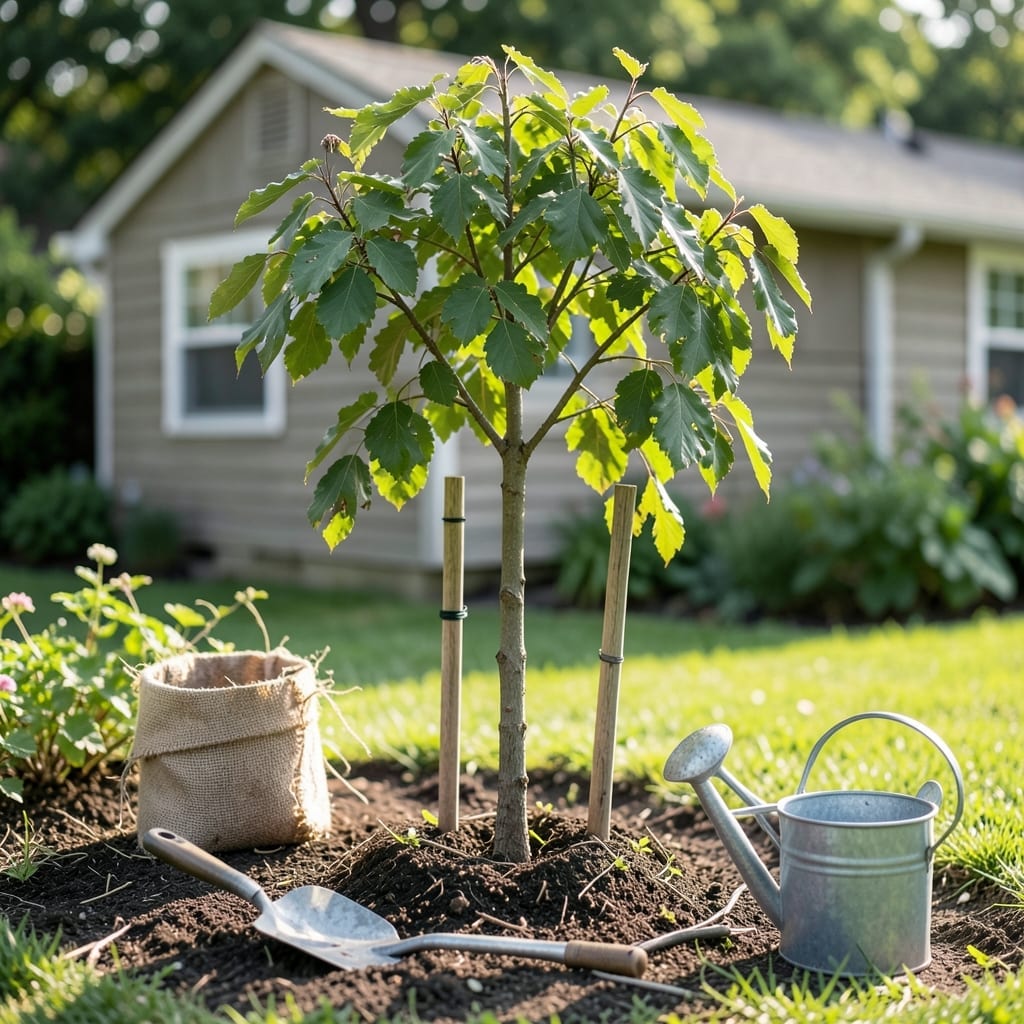
That first season after moving a tree is always the hardest. I’ve lost count of how many saplings wilted on me before I learned to spot the early warning signs—drooping leaves, stunted growth, or those sad brown edges that scream trouble.
Transplant shock isn’t just stress; it’s a survival test for roots adjusting to new soil, water, and sunlight. The key is minimizing disruption during the move and giving them a foolproof recovery plan with consistent moisture and shade.
Within 2-3 weeks, you’ll see new growth if you’ve done it right. The leaves perk up, the bark stays firm, and the tree starts acting like it owns the place. No more guessing games.
Works for maples, oaks, or that finicky fruit tree you’ve been babying. Here’s the no-fail approach.
Transplanting disrupts a tree’s delicate balance, triggering a stress response known as transplant shock. This physiological reaction occurs due to several key factors, each tied to the tree’s sudden change in environment. Understanding these causes helps in preventing long-term damage.
The most direct cause is root injury or loss during digging and replanting. Roots are severed or damaged, reducing the tree’s ability to absorb water and nutrients. Fine feeder roots, which account for up to 90% of water uptake, are particularly vulnerable, leading to immediate dehydration and nutrient deficiency.
Even with intact roots, transplanted trees often struggle with hydraulic failure. The soil’s moisture levels in the new location may differ drastically from the original site. If the roots can’t keep up with water loss through the leaves (transpiration), wilting and leaf scorch follow quickly.
Sudden changes in light exposure, temperature, or soil composition force the tree to adapt rapidly. A tree moved from shade to full sun, for example, may suffer from photoinhibition—where excessive light damages its photosynthetic machinery. Similarly, poor soil aeration or pH mismatches can lock out essential nutrients like iron or nitrogen.
To recover, the tree must regrow roots and repair tissues, which demands extra energy. With a compromised root system, it can’t support its existing foliage. As a result, the tree sheds leaves or enters dormancy to conserve resources, slowing overall growth until stability returns.
Transplant shock can be stressful for both the tree and the gardener, but with the right approach, your tree can bounce back. Below are practical solutions to address the most common causes of transplant shock, along with prevention tips to keep your tree thriving.
If roots were injured during transplanting, trim any broken or frayed roots with clean, sharp shears to prevent disease. Water the tree deeply right after planting to help settle the soil and eliminate air pockets. Prevention tip: Always lift the tree by the root ball, not the trunk, to minimize damage.
Newly transplanted trees need consistent moisture to recover. Water deeply 2-3 times a week for the first few months, adjusting for rainfall. Use a slow-drip method to ensure water reaches the root zone. Prevention tip: Apply a 2-3 inch layer of mulch around the base (keeping it away from the trunk) to retain moisture.
Reduce stress from harsh sun or wind by providing temporary shade with a cloth or screen for the first week or two. In extreme heat, consider using an anti-desiccant spray to minimize water loss. Prevention tip: Transplant during cooler months (early spring or fall) when conditions are less stressful for the tree.
Avoid fertilizing immediately after transplanting, as it can burn tender new roots. Wait until the tree shows signs of new growth (usually after 4-6 weeks), then use a balanced, slow-release fertilizer. Prevention tip: Test your soil before planting to ensure it has the right nutrients for your tree species.
With patience and care, your transplanted tree can overcome shock and grow strong for years to come. 🌳✨
Most trees show new growth within 2-3 weeks if properly cared for. Full recovery can take a season or more, depending on species and size. Young trees bounce back faster than mature ones.
Watch for wilting, yellowing leaves, or leaf drop within 1-2 days of transplanting. Brown leaf edges and stunted growth appear next. Early action prevents lasting damage.
It’s risky—extreme heat stresses trees. If unavoidable, transplant on a cloudy day, water deeply, and provide temporary shade for 1-2 weeks. Spring or fall is ideal.
Trim only damaged branches. Avoid heavy pruning, as it reduces the tree’s ability to photosynthesize and recover. Wait until new growth appears before shaping.