
Beautiful Plants For Your Interior
Beautiful Plants For Your Interior
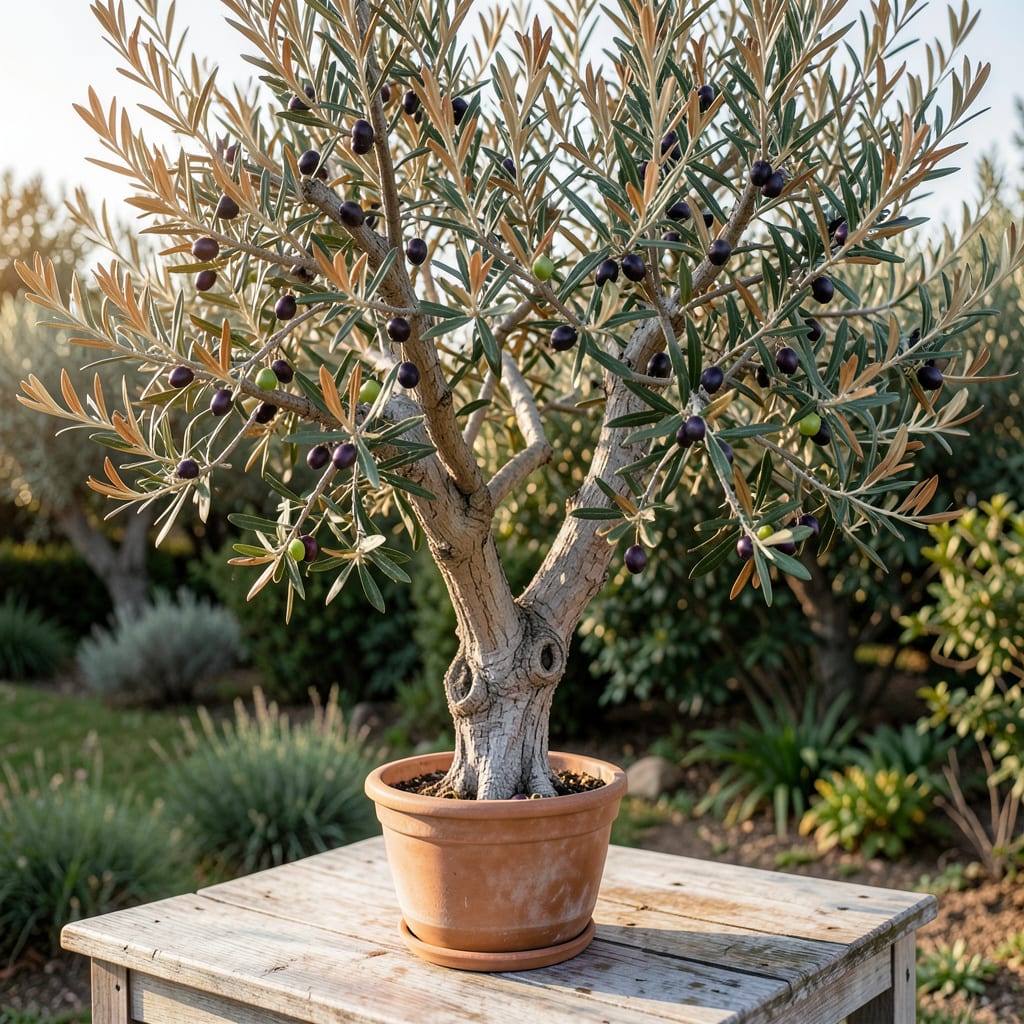
Brown tips on olive leaves always signal distress, but it’s rarely a death sentence. I’ve nursed dozens back from the brink by addressing the root cause first.
Water stress is the usual suspect—either too much or too little. Nutrient imbalances and pests follow closely behind. The fix often starts with checking soil moisture 2 inches down.
Recovery begins with consistent care: proper drainage, balanced feeding, and a watchful eye for invaders. Most trees bounce back within 4-6 weeks if caught early.
Prevention is simpler than cure. Regular checks and quick action keep your olive thriving, not just surviving.
Brown leaf tips on olive trees often signal underlying stress. Here are the most common causes, explained scientifically:
Both overwatering and underwatering disrupt the tree’s water uptake. Overwatering suffocates roots, reducing oxygen and causing tip burn. Underwatering leads to xylem cavitation, where air bubbles block water transport, starving leaves of moisture.
Olive trees thrive in 60–85°F (15–30°C). Frost damages cell membranes, while heatwaves accelerate transpiration, dehydrating leaves. Sudden temperature swings (e.g., cold drafts) trigger oxidative stress, browning tips first.
Excess salts (from tap water or fertilizers) accumulate in soil, raising osmotic pressure. Roots struggle to absorb water, leading to leaf margin necrosis. Chloride and sodium ions are common culprits in arid climates.
Indoor olive trees in dry air lose moisture faster than they can replenish it. Transpiration exceeds absorption, causing tip desiccation. This is common in winter when heating systems reduce ambient humidity below 40%.
Pathogens like Phytophthora or Verticillium clog vascular tissues, restricting water flow. Early signs include yellowing, then browning at leaf tips. Overly wet soil or poor drainage exacerbates fungal growth.
Don’t panic—brown leaf tips on your olive tree are often reversible! Below are practical fixes for the most common causes, along with prevention tips to keep your tree thriving.
Fix: Check the soil 2 inches down. If bone-dry, water deeply until it drains from the bottom. If soggy, let it dry out before watering again. For potted olives, ensure the pot has drainage holes.
Prevent: Use a moisture meter or the finger test to guide watering. Olive trees prefer dry feet—water only when the top 1-2 inches of soil are dry. 💡 Pro tip: Mulch with gravel or sand to improve drainage.
Fix: For indoor trees, mist leaves weekly or use a humidity tray. If salt buildup (white crust on soil) is suspected, flush the soil with distilled water until it runs clear.
Prevent: Use filtered or rainwater for sensitive plants. Avoid fertilizers high in salts, and repot every 2-3 years to refresh the soil. ✨
Fix: Move potted trees to partial shade during peak afternoon heat. For in-ground trees, provide temporary shade cloth (30-40% shade) during heatwaves.
Prevent: Acclimate young trees gradually to full sun. In extreme climates, plant in a spot with dappled sunlight or afternoon shade. 🌡️
Fix: Test your soil. If deficient in potassium or magnesium (common causes of tip burn), use a balanced, slow-release fertilizer or amend with compost. If over-fertilized, flush the soil and pause feeding for 4-6 weeks.
Prevent: Fertilize lightly in spring and fall—olive trees are low-maintenance and thrive on lean soil. Avoid high-nitrogen fertilizers. 🎯
Fix: Inspect leaves for spider mites, scale, or fungal spots. Wipe leaves with neem oil (for pests) or apply a copper fungicide (for fungal issues). Prune affected areas with sterilized shears.
Prevent: Improve airflow around the tree, avoid overhead watering, and keep the area free of debris. Regularly check undersides of leaves for early signs. 🛡️
Water deeply every 7-10 days in summer, less in cooler months. Always check soil 2 inches down—if dry, it’s time. Overwatering causes root rot, so err on the dry side.
No, once tips are brown, they won’t regreen. Trim them off to redirect energy to healthy growth. Recovery takes 4-6 weeks with proper care.
Olives love sun but need afternoon shade in extreme heat. If tips crisp up after 90°F+ days, provide temporary shade cloth. Young trees are more sensitive.
Only if soil tests show deficiency. Too much fertilizer causes salt buildup, worsening the problem. Use a balanced, slow-release type in spring and fall.
