
Beautiful Plants For Your Interior
Beautiful Plants For Your Interior
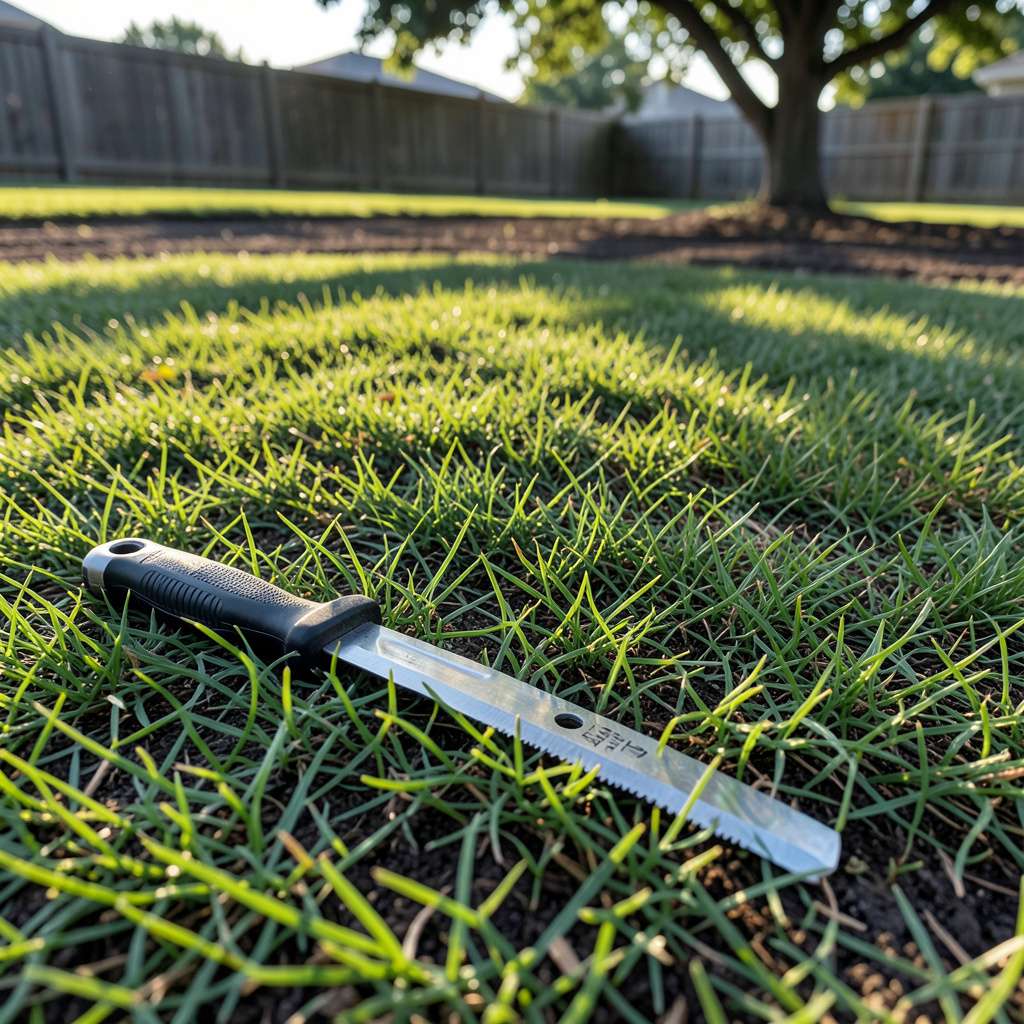
Most lawn mower blades require 35-50 foot-pounds of torque for walk-behind mowers and 70-90 foot-pounds for riding mowers. Always check your owner’s manual, as over-tightening can damage the crankshaft while under-tightening risks blade detachment.
I’ve learned through years of mower maintenance that these torque ranges aren’t arbitrary—they’re carefully calculated to balance blade security with engine protection. 🔧 A walk-behind mower’s lighter-duty crankshaft can’t handle the same stress as a riding mower’s industrial-grade components. What many don’t realize is that vibration during operation naturally loosens bolts over time, which is why manufacturers specify these minimum thresholds. I always recommend using a quality torque wrench rather than guessing with a breaker bar—precision here prevents costly repairs down the road.
💡 In This Article
The torque specification for your mower blade isn’t just a suggestion—it’s a carefully engineered balance between blade security and engine protection. When you apply 35-50 foot-pounds to a walk-behind mower, you’re creating enough clamping force to prevent blade slippage during operation while avoiding excessive stress on the crankshaft.
The crankshaft in these smaller engines typically has a tensile strength rated for about 60-80 foot-pounds of torque before risking deformation. 🔥
What happens when you exceed these specs? The crankshaft’s journal (where the blade attaches) can develop micro-fractures that expand with each use. I’ve seen cases where over-tightened blades caused crankshafts to fail completely after just 20-30 hours of operation. On the flip side, under-tightening creates a different hazard—vibration.
A loose blade creates harmonic vibrations that travel through the deck and engine mounts, potentially damaging bearings and seals over time.
The physics behind this is fascinating. A spinning mower blade at 3,000 RPM generates about 150-200 pounds of outward force at the tip. This centrifugal force constantly tries to pull the blade off its mount. The torque specification ensures the bolt’s clamping force exceeds this outward pull by a safe margin.
Manufacturers calculate this using the formula: Torque = (Clamping Force × Bolt Diameter × Friction Factor) / 12. ✨
Vibration also plays a sneaky role in blade loosening. Even properly torqued blades can lose about 5-10% of their tension during the first hour of operation due to metal settling. This is why many professionals recommend re-checking torque after the first use. The solution?
Thread lockers like Loctite Blue (which adds about 100-150 in-lbs of resistance) or the built-in nylon patches on some bolts. These create friction that maintains tension despite vibration.
Consider the difference between walk-behind and riding mowers. A riding mower’s 70-90 foot-pound spec accounts for its heavier blade (often 2-3 pounds vs. 1-1.5 pounds for walk-behinds) and higher cutting forces.
The larger crankshafts in these machines have reinforced journals and larger bolt diameters (typically 7/16″ vs. 1/2″), designed to handle the additional stress without deformation. 💫
Here’s what most people overlook: torque specs assume clean, dry threads with proper lubrication. A rusty bolt or dirty threads can increase friction by up to 30%, giving you false torque readings. Always clean threads with a wire brush and apply a drop of oil before installation.
The difference between a properly torqued blade and one that’s “close enough” might just be the difference between a smooth-cutting season and a costly repair bill. ⚡
Guessing with a regular wrench often leads to problems. Over-tightening can warp the crankshaft, while under-tightening risks the blade flying off. A torque wrench ensures you hit the 35-90 foot-pound sweet spot every time.
Always check after the first 30 minutes of use, then every 25 operating hours. Vibration naturally loosens bolts over time. A quick check with your torque wrench prevents dangerous mid-mow failures.
It’s risky. Old bolts may have stretched threads or corrosion that gives false torque readings. For $5, a new bolt ensures proper tension. If reusing, clean threads thoroughly and use thread locker.
Their larger blades (2-3 pounds) and higher cutting forces require 70-90 foot-pounds. The reinforced crankshafts and bigger bolts (7/16″) handle this stress safely. Walk-behinds use 35-50 foot-pounds for their lighter components.
First, spray with penetrating oil and wait 15 minutes. Use an impact wrench on low, or apply heat for 30 seconds with a torch. For left-hand threads,
