
Beautiful Plants For Your Interior
Beautiful Plants For Your Interior
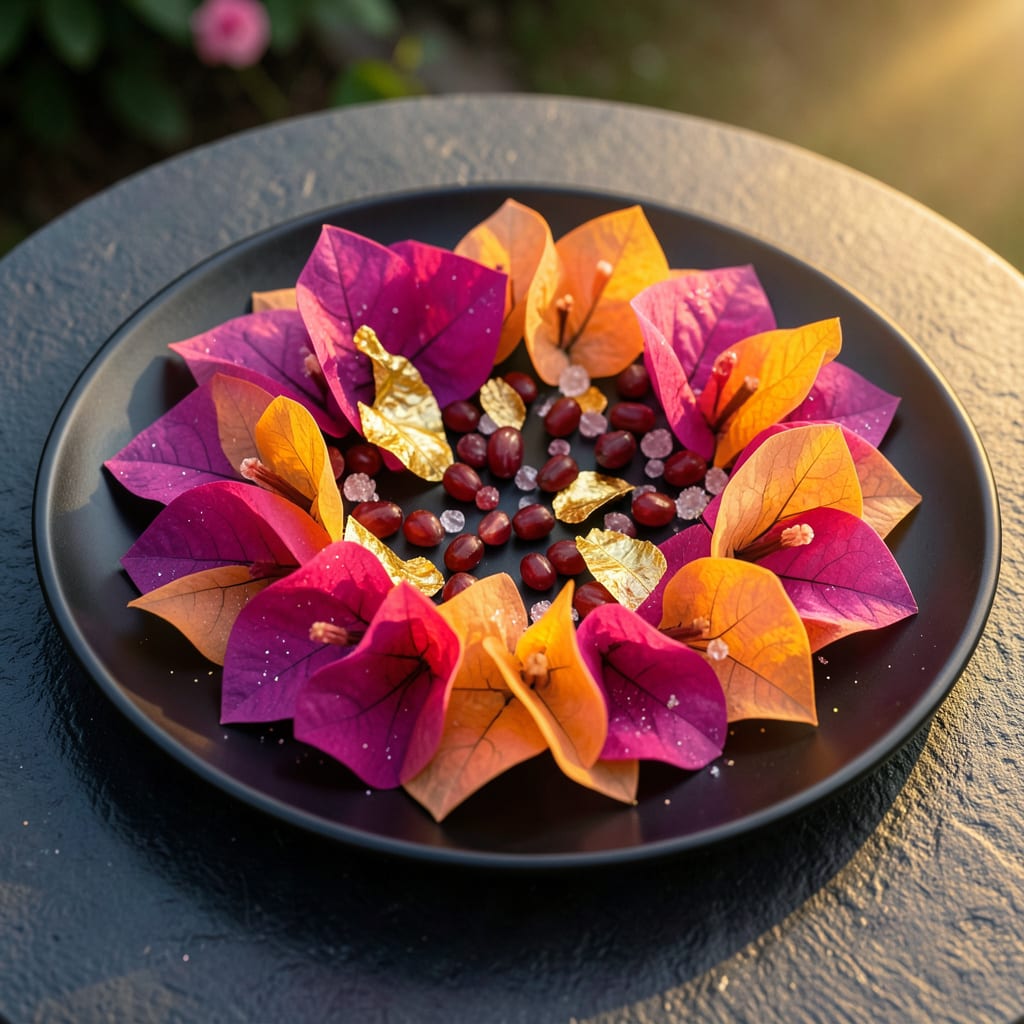
I fell hard for Torch Glow bougainvillea the first time I saw its fiery orange bracts against deep green leaves. This variety delivers color that stops traffic, and it blooms almost nonstop in the right conditions.
It thrives in full sun and well-draining soil, tolerating heat better than most plants I’ve grown. With minimal care, you’ll get waves of vibrant blooms from spring through fall, sometimes longer in warmer climates.
📚 In This Guide
Here’s the method I rely on to keep these vibrant blooms thriving through every season.
Select a spot with full sun exposure—at least 6-8 hours of direct sunlight daily. Bougainvilleas produce their most vivid colors in bright, unfiltered light. I always check the area at different times of day to ensure no structures or trees cast long shadows.
If planting in containers, place them where they can soak up the most sun, like a south-facing patio or balcony. The soil should drain well to prevent root rot. Avoid low-lying areas where water pools after rain.
Torch Glow bougainvilleas thrive in slightly acidic to neutral soil with a pH between 6.0 and 6.5. Use a well-draining mix, such as a combination of 50% potting soil and 50% perlite or coarse sand. This ensures water flows through quickly without suffocating the roots.
Amend the soil with a handful of compost for added nutrients, but don’t overdo it. Too much organic matter can lead to excessive leaf growth at the expense of those stunning blooms. I’ve found that less really is more with these plants.
Water the plant deeply until moisture reaches 12-18 inches down, then let the soil dry out completely before watering again. Bougainvilleas are drought-tolerant and bloom best when slightly stressed for water. You’ll know it’s time to water when the top 1-2 inches of soil feel dry to the touch.
Overwatering is the most common mistake. If the leaves start yellowing or dropping, cut back immediately. I water mine every 10-14 days in hot weather, but always check the soil first—your climate may differ.
Prune after each major bloom cycle to shape the plant and encourage new growth. Use clean, sharp shears to remove dead or overgrown branches. Cut back long, leggy stems by about one-third to promote bushier growth and more flowers.
Don’t be afraid to prune aggressively. Bougainvilleas bloom on new wood, so trimming old growth stimulates fresh blooms. I try to prune in early spring and again in late summer for continuous color.
Use a balanced, water-soluble fertilizer (10-10-10 or 20-20-20) every 4-6 weeks during the growing season. However, switch to a low-nitrogen, high-phosphorus formula (like 7-9-5) just before the blooming period to boost flower production.
Always fertilize after watering to prevent root burn. If the leaves turn brown at the edges, you might be over-fertilizing—flush the soil with water to remove excess salts. I’ve learned that consistency matters more than quantity here.
These practical insights will help you avoid the most common pitfalls when growing these vibrant plants.
Sunlight Strategy: In Step 1, that 6-8 hours of direct sunlight isn’t just a suggestion—it’s essential for those vivid colors. I learned the hard way that even partial shade can mute the blooms. Position container plants where they can chase the sun throughout the day, and don’t forget to rotate them occasionally for even exposure.
Drainage is Non-Negotiable: For Step 2, that 50/50 mix of potting soil and perlite or coarse sand is your insurance against root rot. Here’s what nobody tells you—even with perfect soil, a container without drainage holes will kill your plant. Always drill extra holes if needed, and elevate pots to prevent water from pooling underneath.
Watering Wisdom: Step 3’s advice about watering every 10-14 days in hot weather works, but only if you’re checking that top 1-2 inches of soil first. Confession: I skipped this step for years and wondered why my bougainvilleas looked sad. The soil should feel completely dry before you water again—when in doubt, wait another day.
Pruning Precision: When tackling Step 4, remember that cutting back by one-third isn’t just for aesthetics—it’s how you get more blooms. I was hesitant to prune aggressively at first, but the difference in flower production after a good trim is remarkable. Just be sure your shears are sharp to avoid tearing the stems.
Ensure full sun exposure (6+ hours daily), well-draining soil, and regular fertilizing with a high-phosphorus formula. Prune spent blooms to encourage vibrant new growth.
Plant in spring or early summer when temperatures stay above 60°F (15°C). This gives roots time to establish before the peak blooming season.
Try varieties like ‘Double Pink’ or ‘Barbara Karst’ for reliable bright colors. If soil is poor, amend with compost or use containers for better control.
Fading often signals insufficient sunlight, nutrient deficiencies, or overwatering. Adjust care by increasing light, using bloom-boosting fertilizer, and letting soil dry slightly between waterings.
