
Beautiful Plants For Your Interior
Beautiful Plants For Your Interior
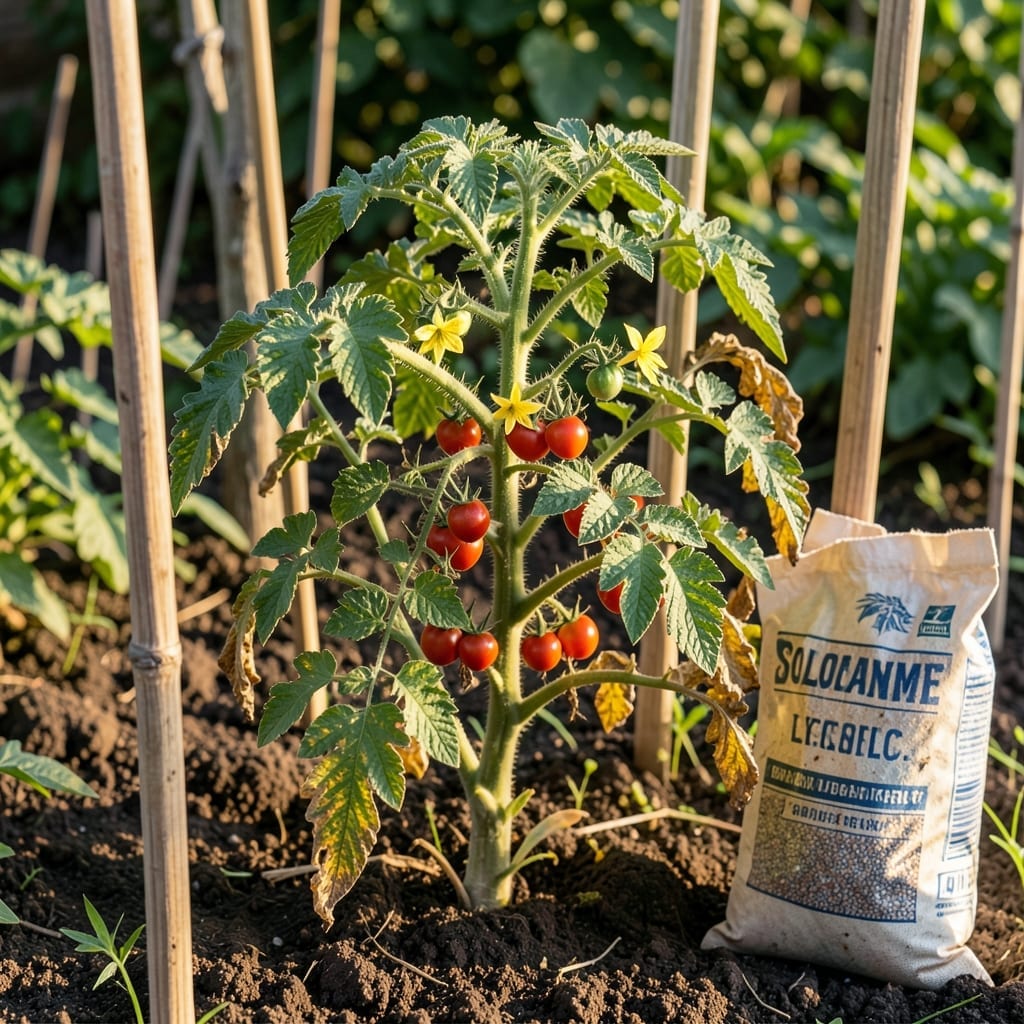
Your tomatoes look worse after feeding them? That’s classic over-fertilization. I’ve rescued countless plants from this exact issue—it’s more common than you’d think.
The fix starts with flushing the soil to wash out excess nutrients. It’s a 30-minute process that saves most plants if caught early. The key is using plain water, not more fertilizer.
You’ll see improvement within 2-3 days as leaves regain their natural color. The plants bounce back faster than you’d expect, especially with proper aftercare.
Prevention is simpler than the cure: always test soil before feeding and follow package rates exactly. No more guessing games.
Understanding why too much fertilizer harms tomatoes starts with recognizing the most common causes—often rooted in good intentions gone awry. Gardeners eager for lush, productive plants may inadvertently overdo it. Below are the primary reasons this happens, explained with clarity and actionable insight.
Many assume tomatoes need constant feeding, but healthy soil already contains nutrients. Without a soil test, it’s easy to add fertilizer when none is needed. Tomatoes require balanced nitrogen (N), phosphorus (P), and potassium (K). Excess nitrogen, for example, promotes leafy growth at the expense of fruit, while too much phosphorus can lock out micronutrients like zinc and iron.
Fertilizer isn’t a weekly vitamin—it’s a slow-release resource. Applying it too often, especially with synthetic quick-release formulas, leads to nutrient burn. Tomato roots absorb what they can, but the surplus lingers in the soil, raising salinity and damaging root cells. Organic fertilizers (like compost) break down gradually, but even these can accumulate if reapplied prematurely.
Label guidelines exist for a reason. Using double the recommended dose—a common mistake for those chasing faster growth—disrupts the soil’s natural chemistry. High salt concentrations from excess fertilizer draw water out of roots, causing wilting and leaf scorch. Always measure carefully, and when in doubt, err on the side of less.
Fertilizer needs water to dissolve and reach roots, but overwatering after application can wash nutrients away—leading some to reapply unnecessarily. Conversely, underwatering concentrates fertilizer salts in the root zone, intensifying burn. Consistency is key: water deeply before fertilizing to prevent shock, then maintain even moisture.
If your tomatoes are showing signs of fertilizer burn, don’t panic—there are clear steps to help them recover. Here’s how to address each issue and prevent future problems.
If you’ve used too much fertilizer, the first step is to leach the excess from the soil. Water the plants deeply with plain water (no added nutrients) until it drains freely from the bottom of the pot or garden bed. This helps wash away built-up salts and minerals. Repeat every few days until the plant shows signs of recovery, like new growth or greener leaves.
Brown or crispy leaves won’t recover, so prune them off with clean scissors or pruners. This redirects the plant’s energy to healthy growth. Avoid removing more than one-third of the foliage at once to prevent stressing the plant further.
Switch to a balanced, slow-release fertilizer or dilute liquid fertilizers to half-strength. Organic options like compost or worm castings are gentler and improve soil health. Always follow the package instructions—more isn’t better!
With these steps, your tomatoes can bounce back and produce a healthy, delicious harvest! 🌿
Most plants show improvement within 2-3 days after flushing. Full recovery may take 1-2 weeks, depending on the severity of the nutrient burn.
Yes, rainwater works well for flushing excess salts. Use enough to soak the soil thoroughly, ensuring it drains freely from the bottom.
Removing brown or crispy leaves redirects energy to healthy growth. Just avoid cutting more than one-third of the foliage at once.
Switch to a slow-release fertilizer and follow package instructions. Light, regular feedings work better than heavy doses.