
Beautiful Plants For Your Interior
Beautiful Plants For Your Interior
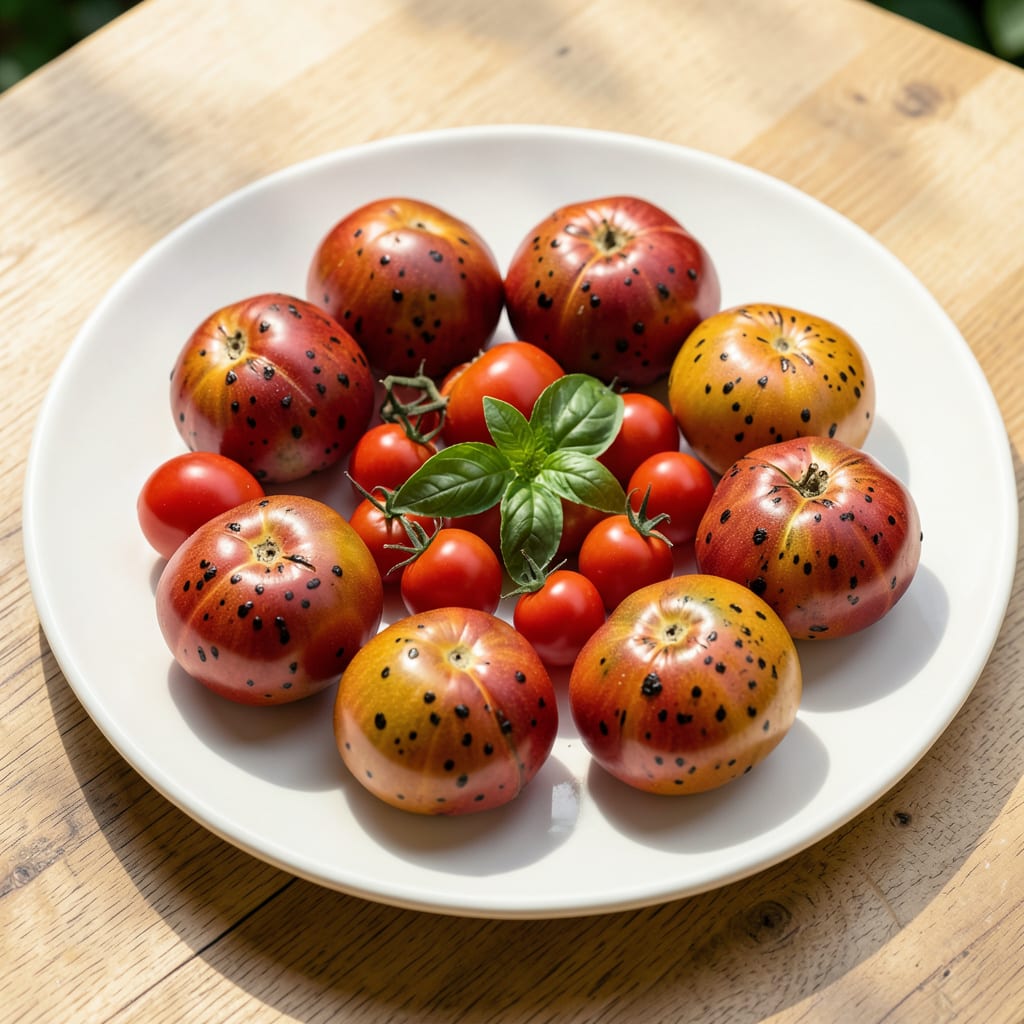
Those black spots on your tomatoes aren’t just ugly—they’re trying to tell you something. I’ve seen my share of spotted harvests, and most aren’t dangerous, but some definitely warrant caution.
The culprits range from blossom end rot to fungal diseases or even physical damage. Some spots are just cosmetic, while others signal problems that could affect taste or safety.
Here’s the thing—you can often still eat them, but only after identifying the cause. Cutting away the affected areas works for many issues, though some require tossing the whole fruit.
Prevention starts with consistent watering, proper spacing, and good air circulation. A little attention now saves your next harvest from the same fate.
Black spots on tomatoes can stem from several causes, each with distinct triggers. Understanding these helps you assess safety and prevent future issues.
This common issue appears as dark, leathery patches at the tomato’s bottom. It’s caused by calcium deficiency in the fruit, often due to uneven watering or soil imbalances. Rapid growth or drought stress disrupts calcium uptake, leading to cell death in affected areas.
Bacterial speck (Pseudomonas syringae) or early blight (Alternaria solani) create small, sunken black spots. These thrive in wet, humid conditions and spread via contaminated soil or splashing water. Fungal spots may have concentric rings, while bacterial ones often ooze in wet weather.
Bruising or punctures from harvesting, pests, or hail can cause localized decay. Damaged tissue oxidizes, turning black as it rots. This is more common in overripe or thin-skinned varieties.
Extreme heat or sun scald can create dark, blistered patches on exposed fruit. Unlike infections, these spots are dry and papery. Poor air circulation in dense foliage can also trap moisture, accelerating spot formation.
If your tomatoes have black spots, don’t toss them just yet! Here’s how to address the issue based on the cause—and prevent it next time.
This calcium deficiency often appears as dark, leathery spots at the bottom of the fruit. Trim off the affected area—if the rest of the tomato is firm and healthy, it’s safe to eat. To prevent it, maintain consistent soil moisture and add crushed eggshells or calcium-rich fertilizer to the soil. Pro tip: Avoid over-fertilizing with nitrogen, which can block calcium uptake.
Spots caused by early blight or anthracnose may appear sunken or fuzzy. Remove and discard infected tomatoes (do not compost) to stop the spread. For prevention, space plants for airflow, water at the base (not overhead), and apply copper-based fungicides early in the season. Hot tip: Rotate crops yearly to break disease cycles.
Black spots from bug bites (like stink bugs) are usually superficial. Cut out the damaged section—the rest is fine if it looks and smells fresh. Deter pests with row covers or neem oil sprays, and inspect plants regularly for early signs of trouble.
Dark spots from rough handling or storage are harmless. Use bruised tomatoes quickly in cooked dishes (sauces, soups) where texture isn’t critical. Prevent bruising by harvesting gently and storing tomatoes stem-side down to avoid punctures.
When in doubt, throw it out—but in most cases, a little trimming is all you need to enjoy your tomatoes safely! 🍅✨
Yes, if the spots are from blossom end rot or bruising. Trim at least 1/2 inch around the affected area and check for firmness. Avoid eating if the tomato smells bad or is mushy.
Disease spots often appear sunken, fuzzy, or have concentric rings. They may spread quickly. If unsure, discard the tomato to prevent spreading spores to other produce.
Cooking kills some bacteria but not all toxins from fungal infections. If the spots are minor and trimmed away, cooking is safe. Otherwise, it’s best to discard heavily affected tomatoes.
