
Beautiful Plants For Your Interior
Beautiful Plants For Your Interior
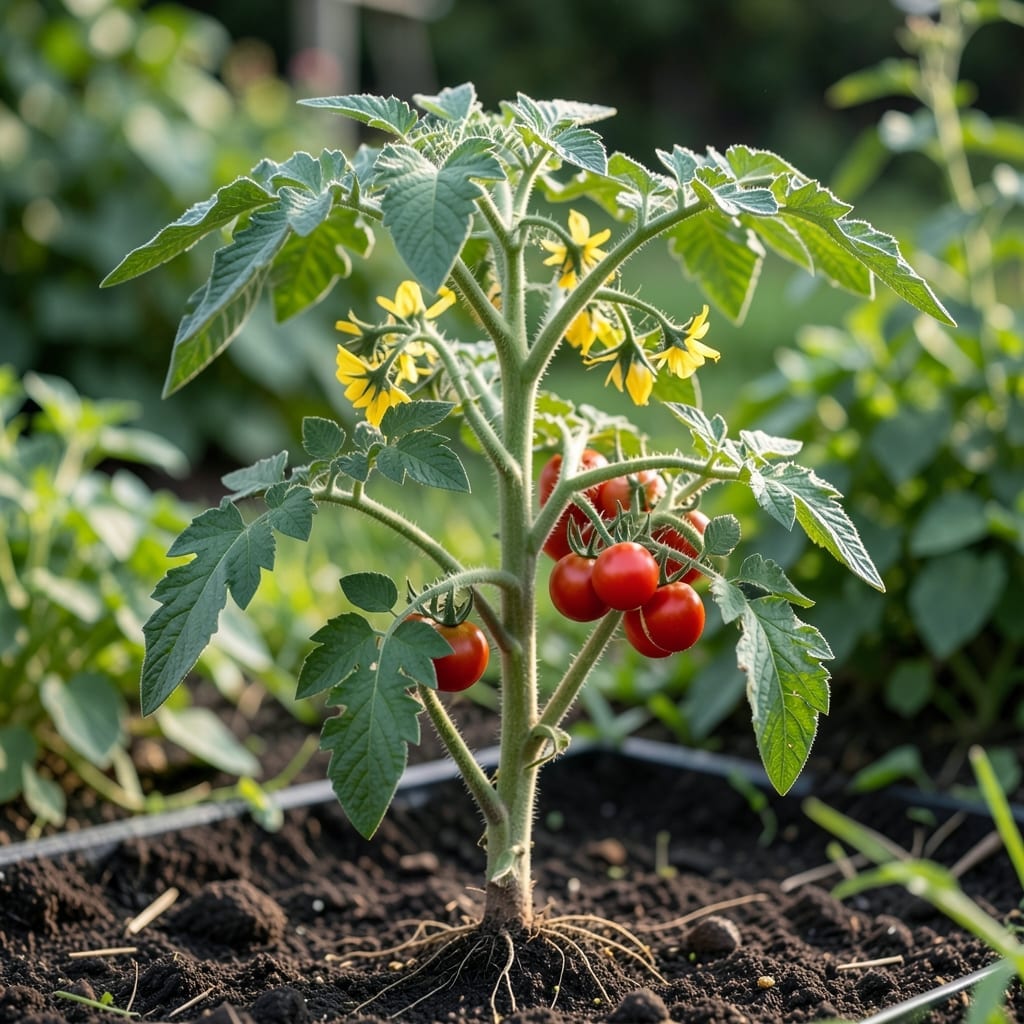
Nothing stings like watching your tomatoes split just shy of perfect ripeness. I’ve lost entire crops to this, learning the hard way that inconsistency is the culprit.
Uneven watering tops the list—drought followed by a deep soak makes fruit expand too fast for their skins. But over-fertilizing or temperature swings can trigger it just as easily. The fix starts with steady habits.
Once you stabilize moisture and nutrients, you’ll notice fewer cracks within a week. The trick is daily checks and mulch to keep soil evenly damp, even during heatwaves.
Works for all varieties, from cherry to beefsteak. Here’s how to lock in a smooth, blemish-free harvest every time.
Tomatoes splitting before they ripen is a common frustration for gardeners, but it’s usually a sign of environmental stress or inconsistent care. Here’s a breakdown of the most likely causes, each tied to how the fruit grows and the conditions it needs.
The leading culprit is fluctuating soil moisture. Tomato skins expand when the fruit fills with water. If the plant goes from dry soil to sudden overwatering (or heavy rain after a drought), the internal growth outpaces the skin’s ability to stretch, causing cracks. This is especially true during rapid growth phases.
When tomatoes hit a growth spurt—often triggered by a heatwave or a nutrient surge—the flesh swells quickly. If the skin hasn’t had time to toughen up, it splits. Varieties with thinner skins (like cherry tomatoes) are more vulnerable.
Extreme heat or cold shocks the plant, disrupting water uptake and fruit development. Hot days (above 85°F/29°C) speed up ripening, while cool nights slow it down. This push-pull effect stresses the fruit, making splits more likely.
Too much nitrogen (a common mistake with fertilizers) fuels leafy growth at the expense of fruit stability. The plant diverts energy to foliage, leaving the tomatoes with softer cell walls that can’t handle internal pressure. Balance your fertilizer with phosphorus and potassium to strengthen fruit integrity.
Some tomato types are just genetically prone to splitting. Heirloom varieties and thin-skinned cherries often crack under stress, while hybrid varieties bred for durability (like ‘Celebrity’ or ‘Mountain Merit’) resist it better. Check seed descriptions for crack-resistant traits if this is a recurring issue.
Uneven watering is a common cause of tomatoes splitting before they ripen. Keep soil moisture consistent by watering deeply once or twice a week, rather than light daily watering. Use a soaker hose or drip irrigation to deliver water directly to the roots and avoid wetting the foliage. Mulching with straw or wood chips helps retain moisture and regulate soil temperature, reducing stress on the plants.
If the soil is too dry, give your plants a thorough drink to rehydrate the roots. If it’s waterlogged, improve drainage by amending the soil with compost or creating raised beds. Check soil moisture by sticking your finger 1-2 inches into the soil—if it feels dry, it’s time to water.
Tomatoes split when they grow too quickly. Fertilize lightly and consistently to avoid sudden growth surges. Use a balanced, slow-release fertilizer and follow the package instructions. Avoid high-nitrogen fertilizers, which promote leafy growth at the expense of fruit.
Some tomato varieties are more prone to splitting. Choose crack-resistant varieties like ‘Roma’, ‘San Marzano’, or ‘Celebrity’. If you’re already growing a susceptible variety, harvest tomatoes at the first sign of cracking to prevent further damage.
Prevention Tips:
Yes, but use them quickly. Cracks create entry points for pests and rot, so harvest and eat them within 1-2 days.
A 2-3 inch layer of straw or wood chips keeps soil moisture steady and blocks temperature swings. Replenish as it breaks down.
Thin-skinned types like cherry tomatoes are most vulnerable. Heirlooms also split easier than hybrids bred for durability like ‘Mountain Merit’.
No, but you can prevent further damage. Harvest split fruit immediately, and adjust watering to save the rest of your crop.