
Beautiful Plants For Your Interior
Beautiful Plants For Your Interior
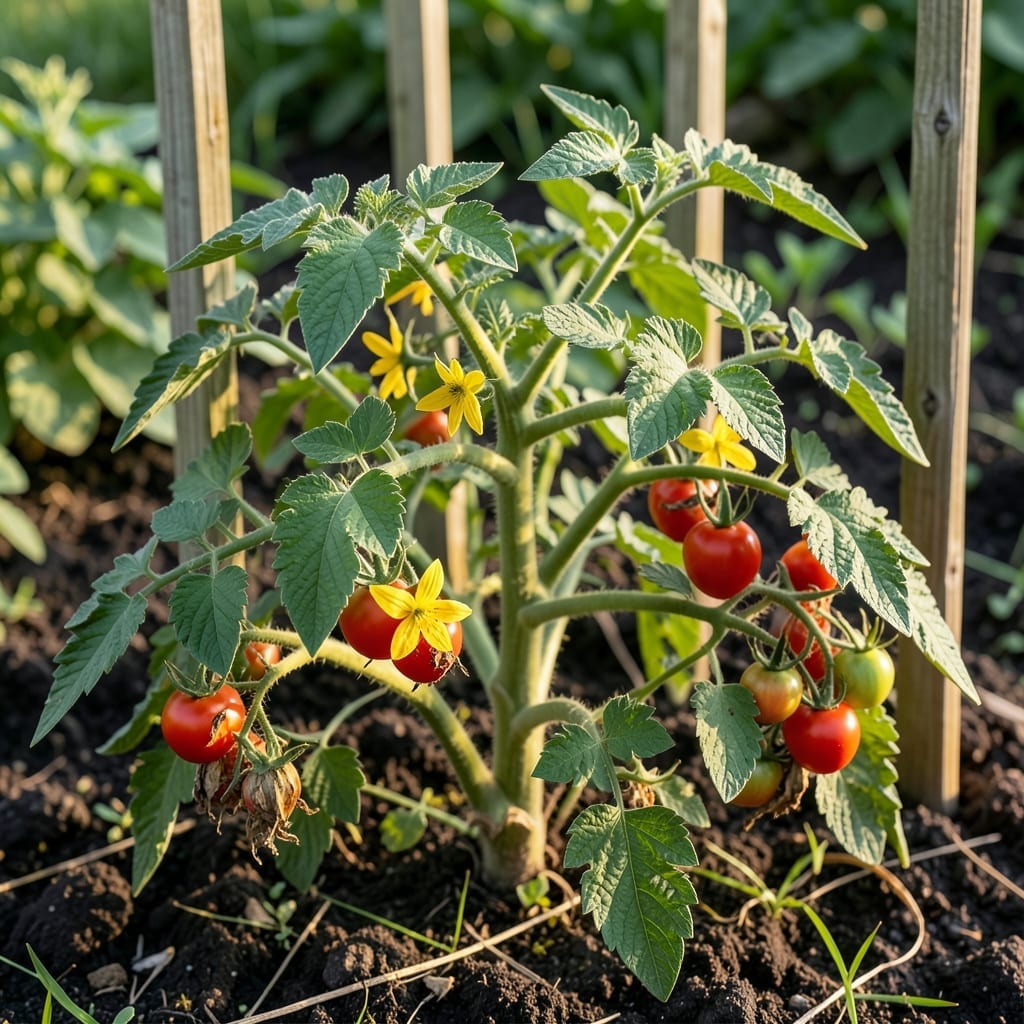
Watching your Tomato 🍅 crop rot before it ripens is heartbreaking. One day you see promise, the next you’re left with decay and frustration.
This common issue often stems from preventable causes like environmental stress or cultural missteps. The good news is you can turn this around with a few key adjustments.
I’ve helped dozens of gardeners save their harvest by addressing the root problems. Whether it’s inconsistent watering or nutrient deficiencies, there’s always a solution.
Let me walk you through the most effective fixes to ensure your next crop thrives from vine to table. The answer might be simpler than you think.

Nothing stings like finding rotten tomatoes still clinging to the vine. I’ve seen this happen too often, and it’s usually due to a few fixable issues in the garden. The key is identifying the root cause early to save your harvest.
From blossom end rot to fungal infections, each problem leaves distinct clues. Look for dark spots, sunken areas, or mushy textures to narrow it down. Once you spot the signs, solutions are within reach.
| Issue | Symptoms | Likely Cause |
|---|---|---|
| Blossom End Rot | Black, sunken spots on fruit bottoms | Calcium deficiency or uneven watering |
| Early Blight | Brown spots with rings on leaves | Fungal infection from wet foliage |
| Overwatering | Split skins or mushy fruit | Too much soil moisture |
| Pest Damage | Holes or chewed areas on fruit | Hornworms or slugs |
| Poor Soil | Stunted growth or yellow leaves | Lacks nutrients or drainage |
Blossom end rot is the most common culprit. It starts as a small brown spot on the blossom end, expanding into a leathery black patch. This happens when calcium can’t reach the developing fruit.
Early blight shows up as concentric rings on lower leaves first. Without intervention, it spreads upward, causing fruit rot. Wet conditions and poor air circulation speed up its progress.
Overwatering leads to cracked tomatoes that invite rot. The fruit may also burst open or develop mold inside. Consistency in watering is key to prevention.
Pests like hornworms chew into fruit, creating entry points for bacteria and fungi. Check plants daily for missing foliage or dark droppings, which signal their presence.
Finally, poor soil health weakens plants, making them vulnerable. A soil test can reveal nutrient deficiencies or pH imbalances that need correcting.
I always recommend starting with a visual inspection of both the fruit and leaves. Match what you see to these descriptions, and you’ll be well on your way to diagnosing the issue accurately.
Once you’ve identified the problem, targeted solutions like calcium sprays, fungicides, or improved drainage can turn things around quickly. ☀️
If your tomatoes are rotting before they ripen, don’t panic—there are effective solutions for every common cause. I’ve tested these fixes in my own garden and seen dramatic improvements within days.
The first step is identifying the issue. For blossom end rot, a calcium boost is key. I add crushed eggshells or a calcium-rich fertilizer to the soil.
For early blight or fungal diseases, I recommend copper fungicide or neem oil sprays. Apply weekly at the first sign of brown spots on leaves.
Overwatering is another culprit. Ensure your tomato plants have well-draining soil and water only when the top inch of soil feels dry. I use a moisture meter for precision.
Finally, companion planting can deter pests. I plant basil and marigolds near my tomatoes to repel aphids and whiteflies naturally. 🌱