
Beautiful Plants For Your Interior
Beautiful Plants For Your Interior
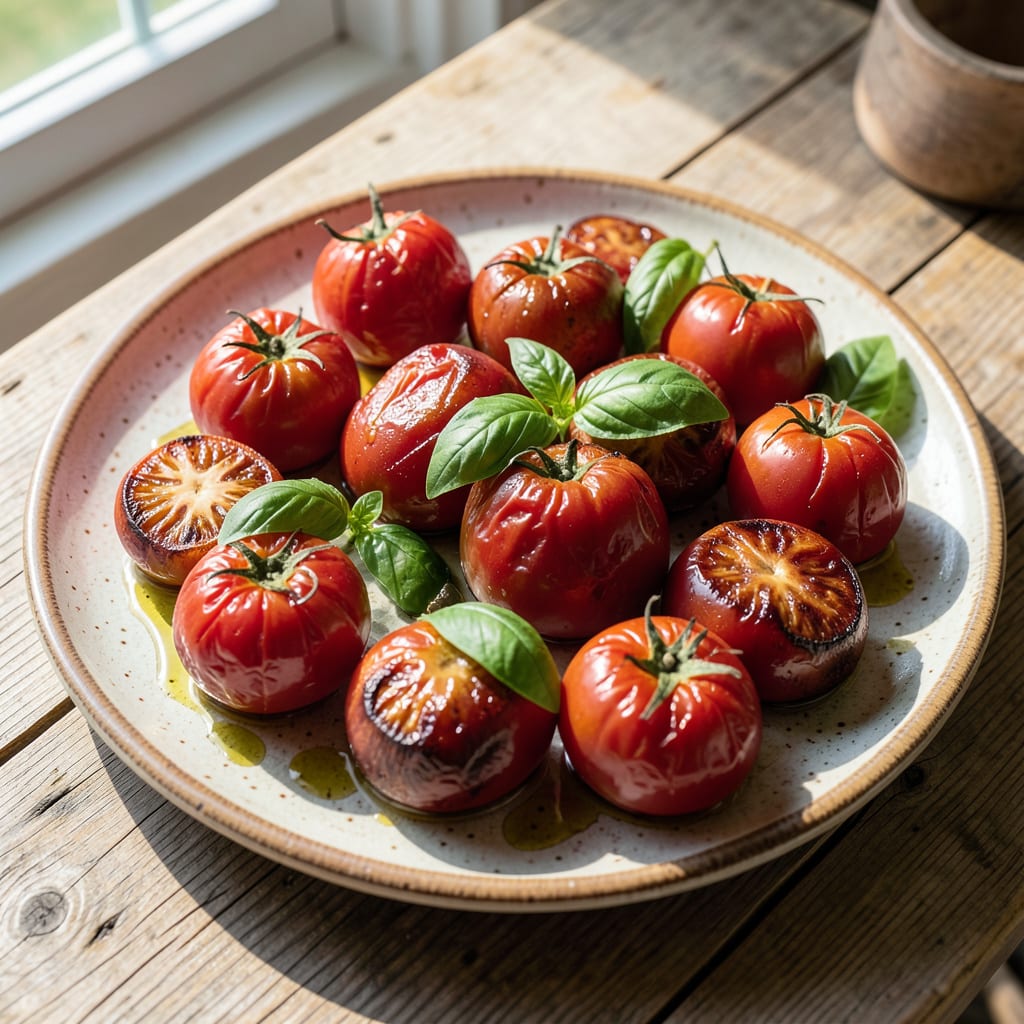
That sunken brown spot on your tomato’s bottom isn’t rot—it’s a calcium cry for help. I’ve lost dozens of perfect fruits to this silent thief before learning the real cause.
Blossom end rot hits when plants can’t pull enough calcium from the soil, usually because watering’s been uneven. Drought one day, flood the next, and your tomatoes pay the price with those ugly leathery patches.
Here’s the thing—you can fix this mid-season. Epsom salt spray won’t help, but consistent moisture and crushed eggshells in the planting hole will. I switched to drip irrigation and haven’t seen it since.
Prevention’s simpler than cure. Test your soil, mulch heavily, and water deeply twice a week. Your next harvest will be spot-free and delicious.
Brown, leathery patches at the bottom of tomatoes are a classic sign of blossom end rot (BER). This physiological disorder isn’t caused by pests or pathogens—instead, it’s a direct response to environmental and nutritional stress. Here’s a breakdown of the primary culprits:
The most common cause is a localized calcium shortage in the developing fruit. Calcium is essential for cell wall stability, and when it’s lacking, the tissue at the blossom end (farthest from the stem) breaks down, turning brown and sunken. This often happens even if the soil has ample calcium, because uneven watering disrupts the plant’s ability to transport it to the fruit.
Fluctuations in soil moisture—drought followed by overwatering—stress the plant and hinder calcium uptake. Dry spells slow nutrient movement, while sudden saturation can flush calcium away from the roots. Tomatoes need consistent, even moisture (about 1–2 inches of water per week) to prevent BER.
Heatwaves (above 85°F/29°C) or cold snaps (below 50°F/10°C) can interfere with calcium absorption. High temps speed up plant metabolism, increasing the demand for calcium, while cold soil slows root activity. Mulching and row covers can help stabilize soil temperature.
Over-fertilization with nitrogen or potassium can create nutrient imbalances, reducing calcium availability. A soil test is the best way to check for deficiencies. Amending with gypsum (calcium sulfate) or crushed eggshells can help, but only if soil pH is between 6.0–6.8—calcium is less accessible outside this range.
Fast-growing tomato varieties are especially vulnerable, as their rapid fruit development outpaces calcium supply. Choosing BER-resistant cultivars (like ‘Mountain Pride’ or ‘Roma’) can prevent the issue entirely.
When your tomatoes start showing brown, sunken spots at the bottom, it’s usually blossom end rot—and the good news is it’s fixable! Here’s how to turn things around, cause by cause.
Add calcium fast with crushed eggshells (rinse, dry, and grind into powder) or a calcium nitrate spray. Mix 1 tablespoon of calcium chloride in a gallon of water and apply to leaves. For a long-term fix, work lime into the soil before planting next season.
Prevention tip: 💡 Test your soil pH—it should be between 6.0 and 6.8 for optimal calcium uptake.
Inconsistent moisture disrupts calcium movement in the plant. Water deeply 1–2 inches per week, using drip irrigation or soaker hoses to keep foliage dry. Mulch with straw or shredded leaves to retain moisture and reduce stress.
Prevention tip: 🌡️ Water early in the day to minimize evaporation and fungal risks.
Too much nitrogen or heatwaves can make plants grow too quickly, outpacing calcium supply. Reduce high-nitrogen fertilizers and switch to a balanced formula. Shade cloth can help during extreme heat.
Prevention tip: ✨ Avoid over-fertilizing—stick to soil test recommendations.
Some tomato varieties are more prone to blossom end rot. If this is a recurring issue, opt for resistant types like Mountain Merit, Jasper, or Plum Regal next season.
Prevention tip: 🎯 Rotate crops yearly to reduce disease buildup in the soil.
Yes, you can eat them if you cut off the affected brown area. The rest of the fruit remains safe and edible. Just remove at least 1/4 inch below the discolored spot to ensure no bitter taste.
New fruits will show improvement within 1-2 weeks of consistent watering and calcium treatment. Existing affected tomatoes won’t heal, but future ones will develop normally.
No, excess fertilizer (especially nitrogen) can worsen the problem. Stick to a balanced formula and focus on calcium supplements. Always test soil before adjusting nutrients.
