
Beautiful Plants For Your Interior
Beautiful Plants For Your Interior
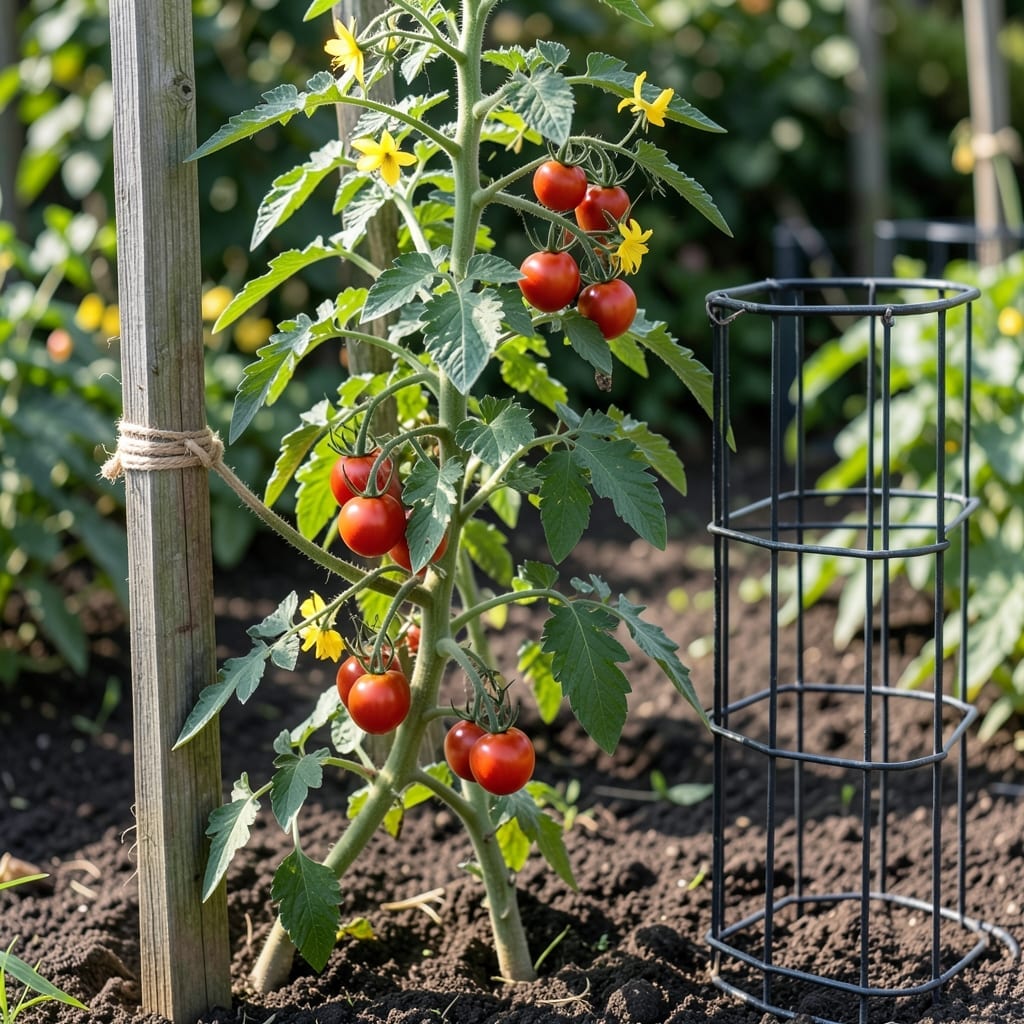
Last summer, my tomato vines hit the roof before producing a single fruit. This year, I learned that leggy growth steals energy from what really matters—those juicy red rewards we’re all waiting for.
Left unchecked, tall plants waste resources on stems instead of fruit. With a few strategic cuts, you redirect that energy where it counts. It’s not about making plants smaller—it’s about making them more productive.
The solution starts with understanding why this happens. Too much nitrogen, inconsistent watering, or even the wrong variety can create gangly plants. I’ve tried them all, and the fixes are simpler than you think.
By midseason, you’ll see compact, bushy plants loaded with tomatoes instead of a jungle of leaves. No fancy tools required—just sharp pruners and a little confidence.
Several factors can lead to tomatoes growing taller than desired, often at the expense of fruit production and plant stability. Understanding these causes helps you take corrective action early.
Too much nitrogen in the soil promotes leafy, vegetative growth rather than fruit development. Nitrogen is essential for healthy foliage, but an excess shifts the plant’s energy away from flowering and fruiting. This often happens when using high-nitrogen fertilizers or planting in soil rich in fresh manure or compost that hasn’t fully decomposed.
Tomatoes, especially indeterminate varieties, naturally grow tall and vining. Without regular pruning, they direct energy into upward growth instead of thickening stems or producing fruit. Suckers—small shoots that emerge between the main stem and branches—can quickly turn into additional vines, exacerbating the height problem.
When tomato plants don’t receive enough sunlight, they stretch upward in a process called etiolation, searching for light. This results in weak, leggy stems with sparse foliage. Shade from nearby structures, trees, or even overcrowded planting can trigger this response.
High temperatures accelerate plant metabolism, leading to rapid growth. If tomatoes aren’t properly staked, trellised, or caged, this growth becomes unruly. The plant focuses on extending its height rather than developing a sturdy structure, making it more susceptible to toppling or breaking under its own weight.
When your tomatoes grow too tall, it’s time to take action to keep them healthy and productive. Here’s how to address the most common causes and prevent them in the future:
If your plants are competing for space, they’ll stretch upward to reach sunlight. Fix: Thin seedlings to 18–24 inches apart or transplant them to larger containers or garden beds. Use sturdy stakes or cages to support their growth vertically without overcrowding.
Prevention: Start with proper spacing from day one, and avoid sowing seeds too densely.
Leggy tomatoes often signal a lack of sunlight. Fix: Move potted plants to a sunnier spot (6–8 hours of direct light daily) or supplement with grow lights for indoor starts. For garden plants, trim nearby foliage blocking the sun.
Prevention: Plan your garden layout so taller plants (like corn or sunflowers) don’t shade your tomatoes.
Planted too late? Your tomatoes may race to grow taller before fruiting. Fix: Prune the top 1–2 sets of leaves to redirect energy to fruit production. Use trellises or stakes to train vines upward while removing excess suckers (side shoots).
Prevention: Start seeds indoors 6–8 weeks before the last frost, or choose fast-maturing varieties for late planting.
Too much nitrogen fuels leafy growth over fruit. Fix: Switch to a low-nitrogen, high-phosphorus fertilizer (like 5-10-10) to encourage flowering. Add compost or aged manure for balanced nutrients.
Prevention: Test your soil before planting and avoid over-fertilizing with nitrogen-heavy products.
Pro Tip 💡: Regularly pinch off suckers (the small shoots between the main stem and branches) to control height and focus energy on fruit production.
Prune weekly during active growth to control height. Focus on removing suckers and lower leaves that touch the soil. This keeps the plant manageable and directs energy to fruit rather than foliage.
Overwatering can contribute, but it’s usually about nutrient imbalance. Too much nitrogen from frequent watering with high-nitrogen fertilizer is the real culprit. Adjust your feeding schedule to balance growth.
Yes, topping the main stem is effective for indeterminate varieties. Cut just above a leaf node to encourage bushier growth. Do this in the afternoon to reduce stress on the plant.
Use sturdy stakes, cages, or a trellis to guide vertical growth. Secure stems with soft ties to prevent damage. This keeps the plant upright and makes pruning easier.