
Beautiful Plants For Your Interior
Beautiful Plants For Your Interior
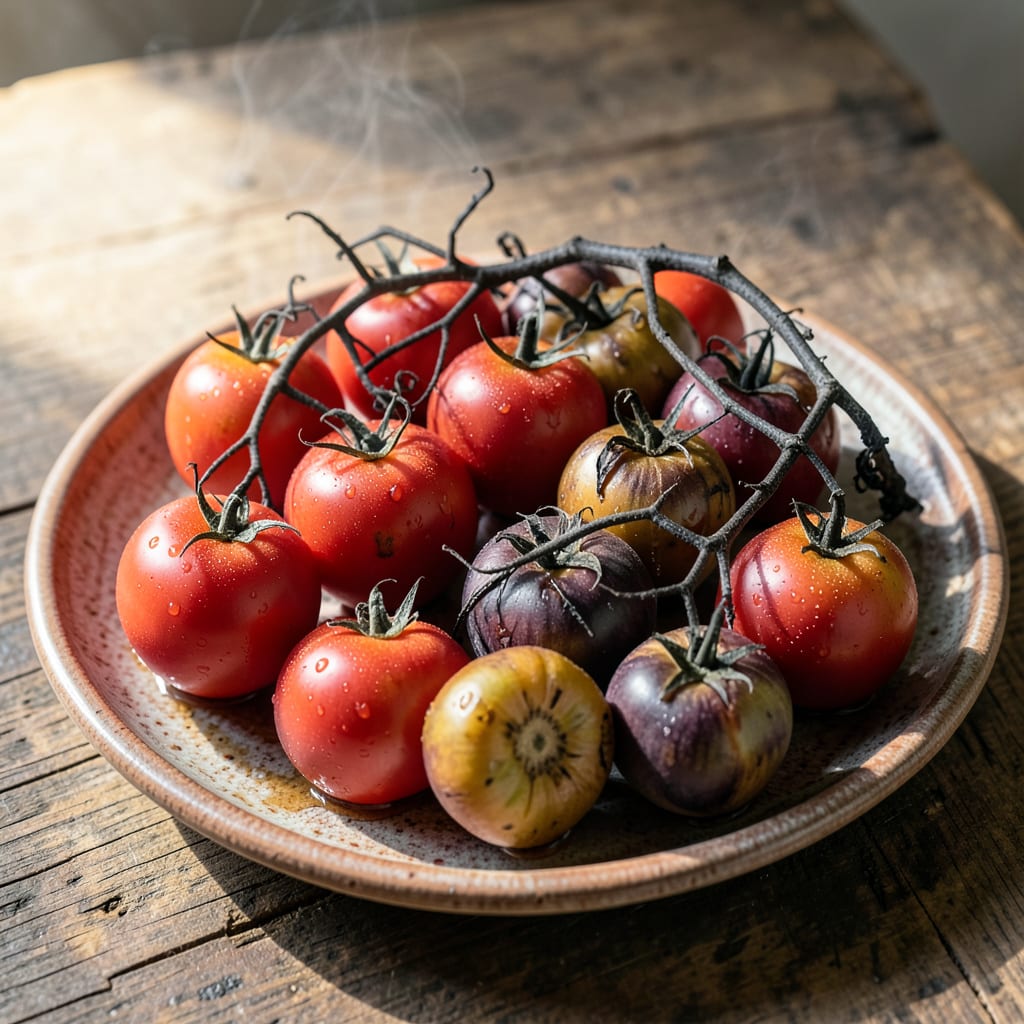
Nothing ruins a tomato season faster than watching perfect fruit rot before it ripens. I’ve lost entire harvests to this, and the frustration is real—one day they’re green and growing, the next they’re sunken, brown, and ruined.
The problem usually starts at the blossom end, where a dark, leathery spot spreads upward. It’s not just disappointing—it’s preventable. Most cases come down to calcium deficiency or inconsistent watering, both of which throw off the plant’s balance.
You can fix this with simple adjustments: even moisture, crushed eggshells in the soil, or a foliar spray. The difference shows up in 2-3 weeks, with new fruit developing normally.
Works for heirlooms, cherries, and hybrids alike. Here’s how to save your crop.
Understanding why tomato rot on the vine occurs is the first step toward preventing it. Several environmental, fungal, and bacterial factors contribute to this frustrating issue. Below are the primary causes, explained in clear, actionable terms.
Fungi like Phytophthora infestans (late blight) and Alternaria solani (early blight) thrive in warm, humid conditions. These pathogens infect leaves first, then spread to fruit, causing dark, sunken lesions. Overhead watering and poor air circulation create the perfect breeding ground.
Bacteria such as Xanthomonas and Pseudomonas enter through wounds or natural openings, leading to soft, watery rot. These infections often follow rain or excessive moisture, especially when plants are crowded or lack proper pruning.
Extreme heat, inconsistent watering, or calcium deficiencies can trigger blossom end rot, a common type of vine rot. Calcium uptake is disrupted when soil moisture fluctuates, weakening cell walls and leaving fruit vulnerable to decay.
Insects like stink bugs or hornworms create entry points for rot-causing pathogens. Their feeding wounds expose tomatoes to secondary infections, accelerating spoilage on the vine.
Addressing these root causes—through improved drainage, crop rotation, or calcium supplements—can significantly reduce rot risks.
Tackle tomato rot head-on with these targeted fixes for the most common causes. Early action saves your crop and keeps plants thriving.
💡 Prevention tip: Rotate crops yearly and use mulch to prevent soil splashing onto leaves.
💡 Prevention tip: Avoid high-nitrogen fertilizers; opt for balanced options like 10-10-10.
💡 Prevention tip: Mulch with straw to retain moisture without waterlogging roots.
💡 Prevention tip: Start with disease-resistant tomato varieties like ‘Mountain Merit’ or ‘Jasper’.
No, it’s best to discard any fruit showing rot. Even small spots can harbor harmful pathogens that spread to healthy parts.
Water deeply 2-3 times per week at the base, keeping soil consistently moist but not soggy. Drip irrigation works best.
A foliar spray of calcium chloride or crushed eggshells mixed into the top 2-3 inches of soil works in 1-2 weeks.
Yes, but sanitize pruners with rubbing alcohol between cuts. Remove all affected foliage and dispose in sealed bags.
