
Beautiful Plants For Your Interior
Beautiful Plants For Your Interior
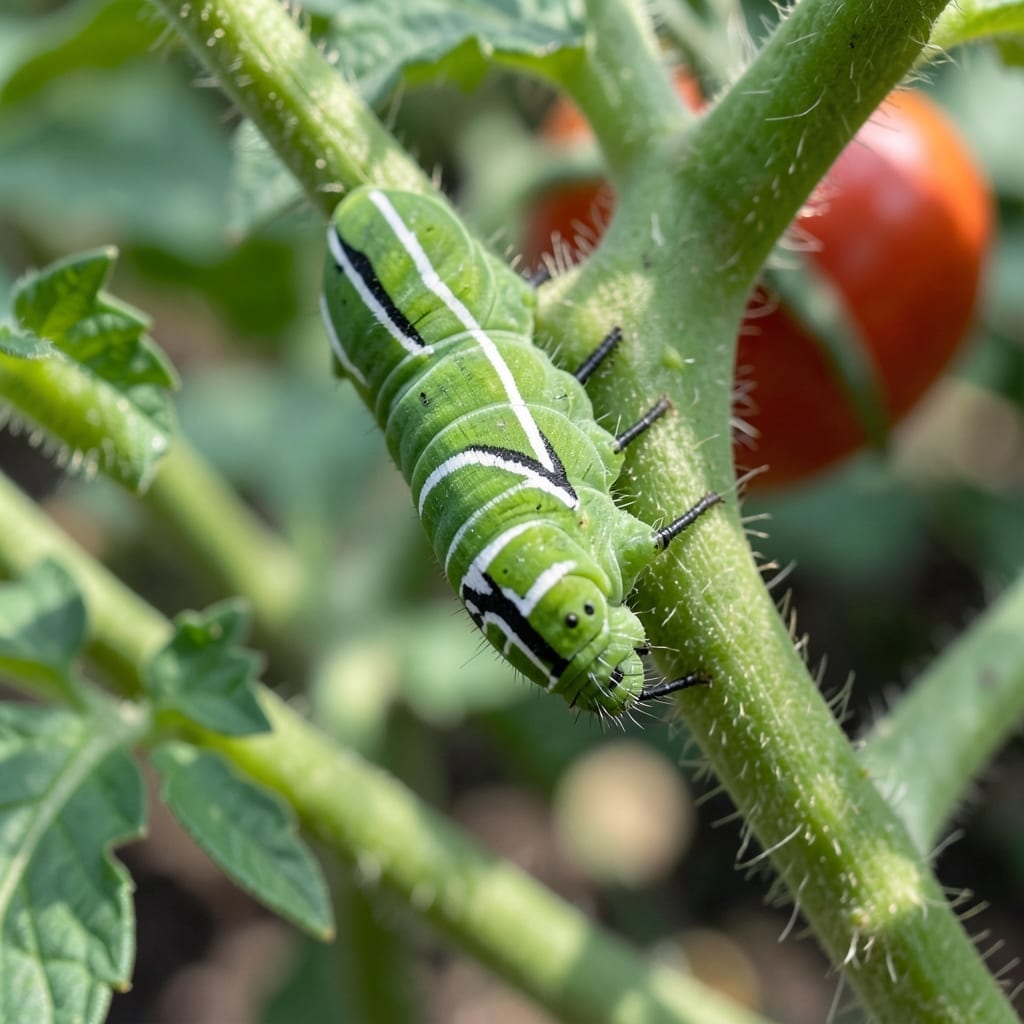
Nothing kills the joy of summer tomatoes like discovering worms in your plants. I’ve lost entire crops to these pests before learning how to spot them early—before they turn leaves into lace and fruit into a mushy mess.
These invaders come in different forms, each with telltale signs: curled leaves, chewed foliage, or tunnels in stems. Some are tiny and green, others thick and cream-colored, but they all have one goal—your tomatoes.
Here’s the thing—you can fight back without harsh chemicals. Simple, targeted interventions disrupt their life cycle and protect your harvest. No fancy equipment, just smart timing and a watchful eye.
With the right approach, you’ll stop the damage fast and keep your plants productive for the rest of the season.
Tomato plants attract worms for several biological and environmental reasons. Understanding these causes helps prevent and manage infestations effectively.
Unbalanced soil lacking organic matter or beneficial microbes weakens tomato plants, making them more susceptible to worm attacks. Worms like cutworms and root-knot nematodes thrive in compacted or nutrient-poor soil, where plant defenses are compromised.
Planting tomatoes in the same spot year after year allows pest populations, such as hornworms, to establish and multiply. These worms overwinter in the soil, emerging stronger when their host plant returns.
Excess moisture creates ideal conditions for armyworms and slugs, which prefer damp environments. Overwatering also stresses plants, reducing their ability to resist pests naturally.
Warm, humid weather accelerates the life cycles of many tomato worms, such as tomato fruitworms. These pests lay eggs more frequently in such climates, increasing infestation risks.
Failing to inspect plants regularly allows worms to go unnoticed until they cause significant damage. Early detection of eggs or larvae (e.g., hornworm eggs on leaves) is critical for intervention.
Dealing with worms on your tomato plants requires quick and targeted action. Below are practical solutions for the most common culprits, along with prevention tips to keep your garden thriving.
Check plants daily for large green caterpillars and remove them by hand. For severe infestations, apply Bacillus thuringiensis (BT), a natural bacteria that targets only caterpillars. Spray in the early morning or late evening for best results.
Prevention: Attract natural predators like birds and parasitic wasps by planting companion flowers such as marigolds or dill. Rotate crops yearly to disrupt their life cycle.
Create cardboard or plastic collars around young tomato stems, burying them 1-2 inches into the soil. This blocks cutworms from severing stems at ground level. Alternatively, sprinkle diatomaceous earth around the base of plants to deter them.
Prevention: Keep the garden free of debris where adult moths lay eggs. Till the soil in late fall to expose and kill overwintering larvae.
Spray neem oil or insecticidal soap directly on leaves, focusing on the undersides where armyworms hide. Reapply every 5-7 days or after rain. For large outbreaks, consider spinosad, an organic pesticide effective against soft-bodied larvae.
Prevention: Monitor plants regularly for early signs of damage, such as ragged leaf edges. Remove weeds and tall grass near the garden, as they harbor eggs.
💡 Pro Tip: Encourage beneficial insects like ladybugs and lacewings, which feed on worm eggs and larvae. A diverse garden ecosystem is your best defense!
Look for chewed leaves, missing foliage, or holes in fruit. Hornworms leave dark droppings, while cutworms sever young stems at soil level. Inspect plants daily for early signs.
Use organic options like neem oil or BT first. If needed, choose pesticides labeled for edible plants and follow directions carefully. Always wash produce thoroughly.
Yes! Plant marigolds, basil, or dill nearby to repel pests. These attract beneficial insects that prey on worm eggs and larvae. Rotate companions yearly for best results.
Act at first signs of damage. Early morning or late evening is ideal for spraying treatments like BT or neem oil. Reapply after rain or every 5-7 days.