
Beautiful Plants For Your Interior
Beautiful Plants For Your Interior
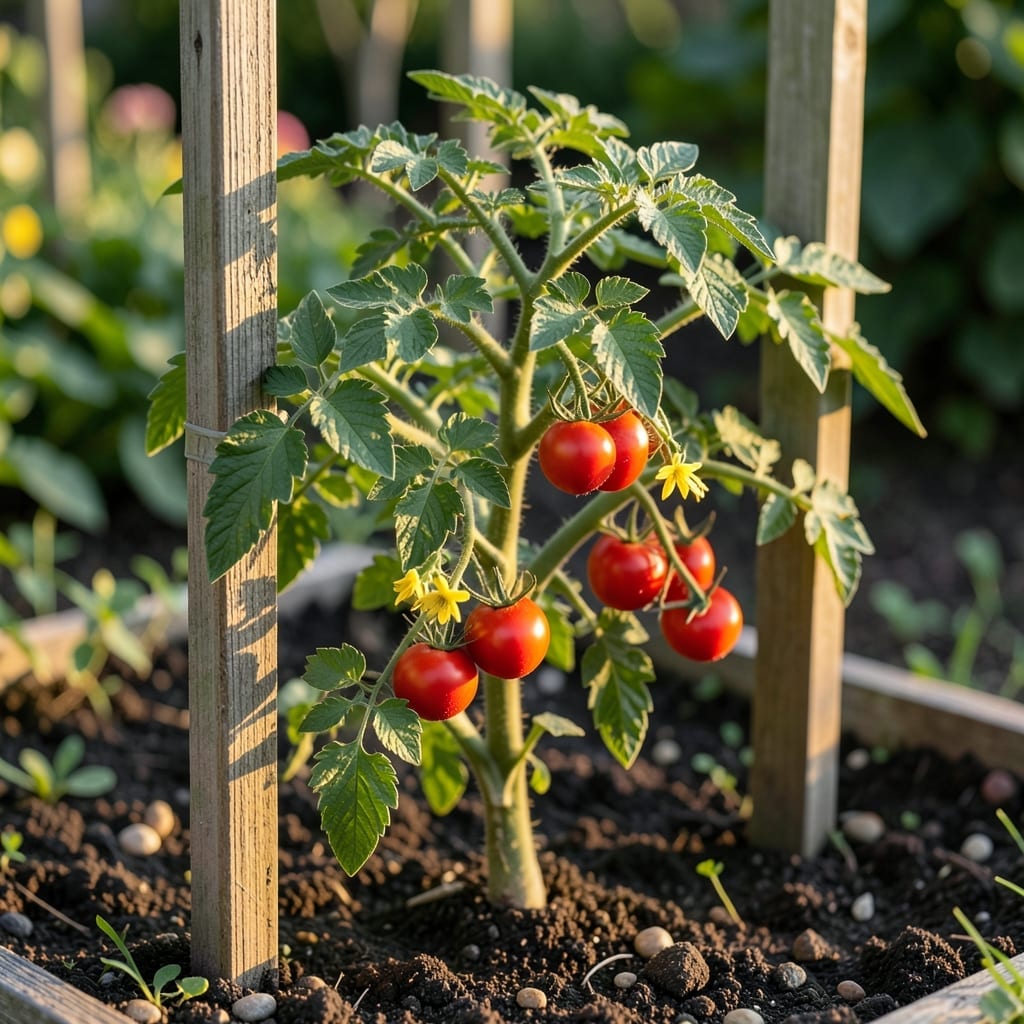
There’s nothing quite like watching your 🍅 Tomato plants flourish under the summer sky. But did you know that sunlight is the make-or-break factor for a bountiful harvest?
Getting the light exposure right can mean the difference between vibrant, fruit-laden vines and sad, leggy plants. It’s not just about quantity—timing and intensity matter just as much.
Whether you’re working with a sprawling garden or a cozy balcony setup, understanding your Tomato’s needs is the key to success. The good news? It’s simpler than you might think.
Let me walk you through how to give your plants the perfect amount of sunlight for healthier growth and bigger yields. The results will speak for themselves.

If you want big, juicy tomatoes, sunlight is non-negotiable. Most varieties need 6-8 hours of direct sun daily, but some thrive with even more.
Indeterminate tomatoes (vining types) can handle 8-10 hours of intense sun, especially in cooler climates. Determinate varieties (bush types) do well with 6-8 hours but may struggle with less.
| Tomato Type | Sun Requirement | Notes |
|---|---|---|
| Indeterminate | 8-10 hours | Best for full-sun gardens |
| Determinate | 6-8 hours | Ideal for containers |
| Cherry Tomatoes | 6+ hours | Tolerates partial shade |
In my experience, morning sun is the most beneficial. It dries dew quickly, reducing fungal risks. Afternoon sun can be harsh, especially in hot climates, so monitor leaf scorch.
For optimal fruit production, aim for consistent sunlight. Shifting shadows or intermittent shade can lead to uneven ripening and smaller yields.
If your garden gets less than 6 hours, consider sun-loving varieties like Sungold or Sweet 100. These cherry types produce well even with moderate sunlight.
In very hot regions, dappled afternoon shade can prevent heat stress. I’ve seen plants wilt under 10+ hours of scorching sun without relief.
Container gardeners should place pots where they get maximum exposure. A south-facing balcony or patio is ideal for potted tomatoes.
Remember, light intensity matters too. A bright, unobstructed southern sky provides better results than filtered light through trees.
For the best harvest, track your garden’s sun patterns. I use a sunlight calculator app to ensure my plants get exactly what they need.
☀️Even with the best care, your tomato plants might struggle if they’re not getting enough light. I’ve seen leggy stems and pale leaves signal a sun deprivation problem more times than I can count.
When plants stretch toward light, they become tall and spindly with weak stems. This leggy growth is a classic red flag that your tomatoes need more sun exposure.
⚠️ Warning: Sun Deprivation Symptoms
Another telltale sign is yellowing leaves, particularly on the lower parts of the plant. This often happens because the plant is prioritizing new growth at the expense of older leaves.
You might also notice fewer flowers or flowers that drop before fruit sets. Tomatoes need ample light to produce the energy required for blooming and fruiting.
If your plants show these signs, don’t panic. I’ve found that relocating containers or pruning nearby shade can often solve the issue within a few weeks.
For garden beds, consider thinning surrounding plants or using reflective mulches to maximize light exposure. A little adjustment can make a big difference in your harvest. ☀️