
Beautiful Plants For Your Interior
Beautiful Plants For Your Interior
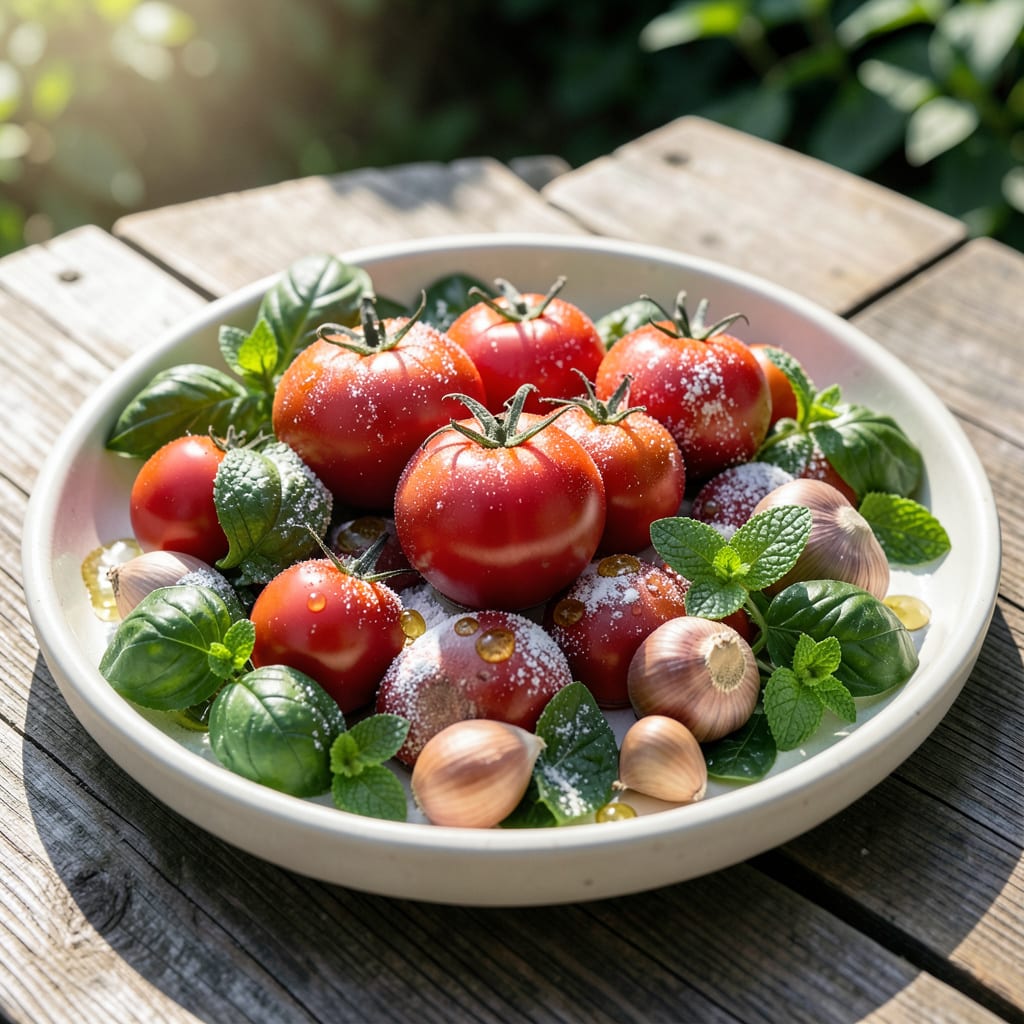
That first yellow spot on a tomato leaf always hits like a gut punch. I’ve lost count of how many plants I’ve watched decline because I missed the early warning signs—wilted edges, strange spots, or powdery coatings that weren’t there yesterday.
The reality is most diseases spread fast, but they’re also preventable with the right knowledge. Catching problems early means the difference between salvaging your crop and pulling up dead plants by midseason. It’s about knowing what to look for and acting before it’s too late.
Organic solutions work surprisingly well if you start them at the first sign of trouble. Simple sprays, pruning infected parts, and adjusting watering habits can stop most issues in their tracks. No fancy equipment or harsh chemicals required.
This isn’t about panic—it’s about preparation. Learn the signs, keep a close eye, and you’ll harvest healthy plants all season long.
Tomato plant diseases don’t appear out of nowhere—they’re often the result of specific environmental, biological, or cultural triggers. Understanding these causes helps you prevent problems before they start. Here’s a breakdown of the most common culprits:
Many tomato diseases, like early blight (Alternaria solani) or bacterial spot (Xanthomonas spp.), thrive in warm, humid conditions. Fungal spores spread through water splashing on leaves, while bacteria enter through wounds or stomata. Overhead watering and poor air circulation create the perfect breeding ground.
Excess moisture stresses plants and invites root rot (Phytophthora or Pythium). Soggy soil suffocates roots, reducing their ability to absorb nutrients. Drip irrigation and well-draining soil can mitigate this risk significantly.
Weak or malnourished plants are more susceptible to disease. A lack of calcium causes blossom end rot, while nitrogen deficiency leads to stunted growth and yellowing leaves. Regular soil testing ensures your tomatoes get the right balance of nutrients.
Insects like aphids and whiteflies don’t just eat leaves—they also transmit viruses such as tomato mosaic virus (ToMV). Their feeding wounds provide entry points for pathogens, compounding the damage.
Extreme temperatures, inconsistent watering, or sudden weather shifts weaken tomato plants, making them vulnerable. Heat stress, for example, can trigger sunscald, while cold snaps may stunt growth and lower disease resistance.
Tackling tomato plant diseases starts with quick action and the right approach. Below are targeted solutions for common issues, paired with prevention tips to keep your plants thriving. 🌱
Spot dark, concentric rings on lower leaves? Prune infected foliage immediately and dispose of it in the trash (not compost). Apply copper-based fungicides or a baking soda spray (1 tbsp baking soda + 1 tsp dish soap + 1 gallon water). Prevent it: Rotate crops yearly, avoid overhead watering, and space plants for airflow.
White, powdery spots? Mix 1 part milk to 9 parts water and spray weekly. Neem oil also works. Prevent it: Water at the base, reduce humidity, and ensure 6+ hours of sunlight. Shade cloth can help in scorching climates.
Black, sunken bottoms on fruit? This is a calcium deficiency. Treat it: Add crushed eggshells to soil or use a calcium spray. Prevent it: Maintain consistent soil moisture (mulch helps!) and test soil pH (aim for 6.0–6.8).
Sticky leaves or curled growth? Spray aphids off with water or apply insecticidal soap. Prevent it: Attract ladybugs (natural predators) with companion plants like marigolds or basil. 💡 Pro tip: Yellow sticky traps can catch adults early.
Yellowing, wilting leaves? Remove infected plants and solarize soil (cover with clear plastic for 4–6 weeks to kill fungi). Prevent it: Plant resistant varieties (look for “VF” on seed packets) and sterilize tools between uses.
Consistency is key—act at the first sign of trouble, and your tomatoes will reward you with a bountiful harvest! ✨
Look for white powdery spots, dark concentric rings, or yellowing leaves with brown edges. Fungal issues often appear on lower leaves first and spread upward.
Avoid overhead watering, space plants for airflow, and remove infected foliage immediately. Sterilize tools between uses to stop pathogens from spreading.
Yes! A baking soda spray or 1:9 milk-water mix works well for fungal issues. Neem oil is another natural option for both prevention and treatment.
