
Beautiful Plants For Your Interior
Beautiful Plants For Your Interior
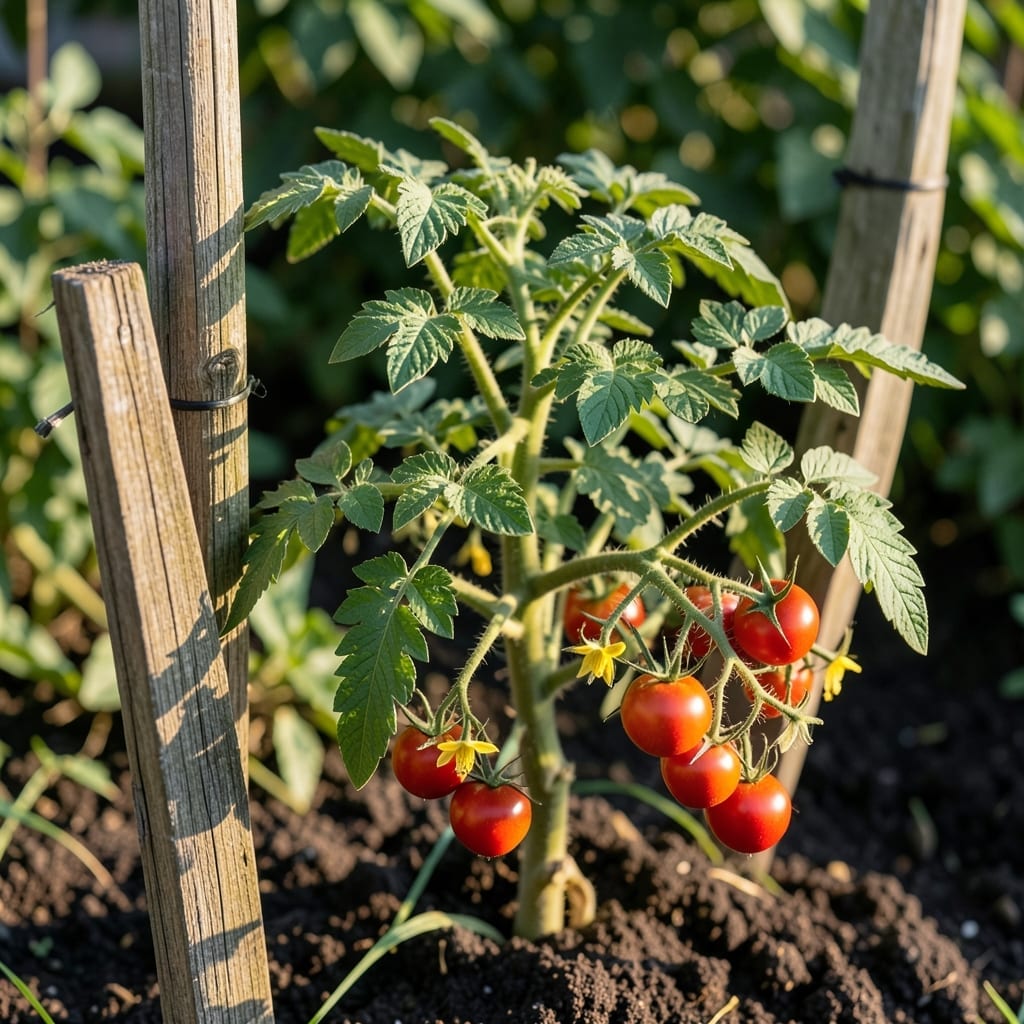
I lost half my tomato crop to this last summer. The leaves turned mottled, the growth stunted, and the fruit developed that telltale yellow spotting—classic tomato mosaic virus signs.
Here’s the thing—prevention is your only real defense. The virus spreads through contaminated tools, hands, or even aphids, and once it’s in your soil, it can linger for years. I learned that cleaning tools with bleach between plants isn’t optional.
You can’t cure infected plants, but you can protect the rest. Remove and destroy affected ones immediately, then focus on resistant varieties next season. Healthy plants start with clean practices.
This approach saved my garden this year. The key is vigilance from seedling to harvest, especially in crowded beds where the virus spreads fastest.
The tomato mosaic virus (ToMV) doesn’t appear out of nowhere—it spreads due to specific, preventable causes. Understanding these triggers helps you stop the virus before it takes hold in your garden or greenhouse.
One of the most common causes is using contaminated seeds, seedlings, or grafting tools. ToMV can survive in plant debris and soil for years, so even old stakes or pots may harbor the virus. Always start with certified disease-free seeds and sterilize tools with a 10% bleach solution between uses.
While ToMV isn’t spread by insects like some viruses, it can hitch a ride on contaminated hands, clothing, or gardening tools. Even a simple touch can transfer the virus from an infected plant to a healthy one. Wash your hands with soap and water after handling plants, and avoid working with them when they’re wet, as moisture aids transmission.
Irrigation water or runoff from infected plants can carry the virus to new areas. ToMV thrives in moist conditions, so drip irrigation (which avoids wetting foliage) is safer than overhead watering. Rotate crops and remove infected plant debris to reduce soil-borne risks.
Once tomato mosaic virus appears, quick action can limit its spread and protect your plants. Here’s how to tackle each issue and prevent future outbreaks.
Pull up and burn or bag severely infected plants immediately. Do not compost them, as the virus can survive. Disinfect your hands and tools with a 10% bleach solution afterward to avoid spreading it further.
Aphids spread the virus as they feed. Use insecticidal soap or neem oil to manage populations. Introduce beneficial insects like ladybugs or lacewings for natural control. Reflective mulches can also deter aphids from landing on plants.
The virus lingers on contaminated tools, stakes, and even clothing. Clean all equipment with a bleach solution (1 part bleach to 9 parts water) before and after use. Wash hands thoroughly after handling infected plants.
Choose tomato varieties labeled as mosaic virus-resistant (look for codes like ToMV on seed packets). While not immune, these plants are less likely to succumb to severe infections.
Consistency is key—stay vigilant, and your garden will thank you! 🌿
No, there’s no cure once a plant has the virus. Remove and destroy infected plants immediately to prevent spreading. Never compost them, as the virus can survive in the material.
The virus can persist in soil and plant debris for 2+ years. Crop rotation and removing all infected material are critical to break this cycle.
Only after thorough disinfection with a 10% bleach solution. The virus spreads easily through contaminated tools, so clean between every plant.
Early symptoms include stunted growth and curled leaves. The characteristic yellow-green mottling typically develops 7-14 days after infection.