
Beautiful Plants For Your Interior
Beautiful Plants For Your Interior
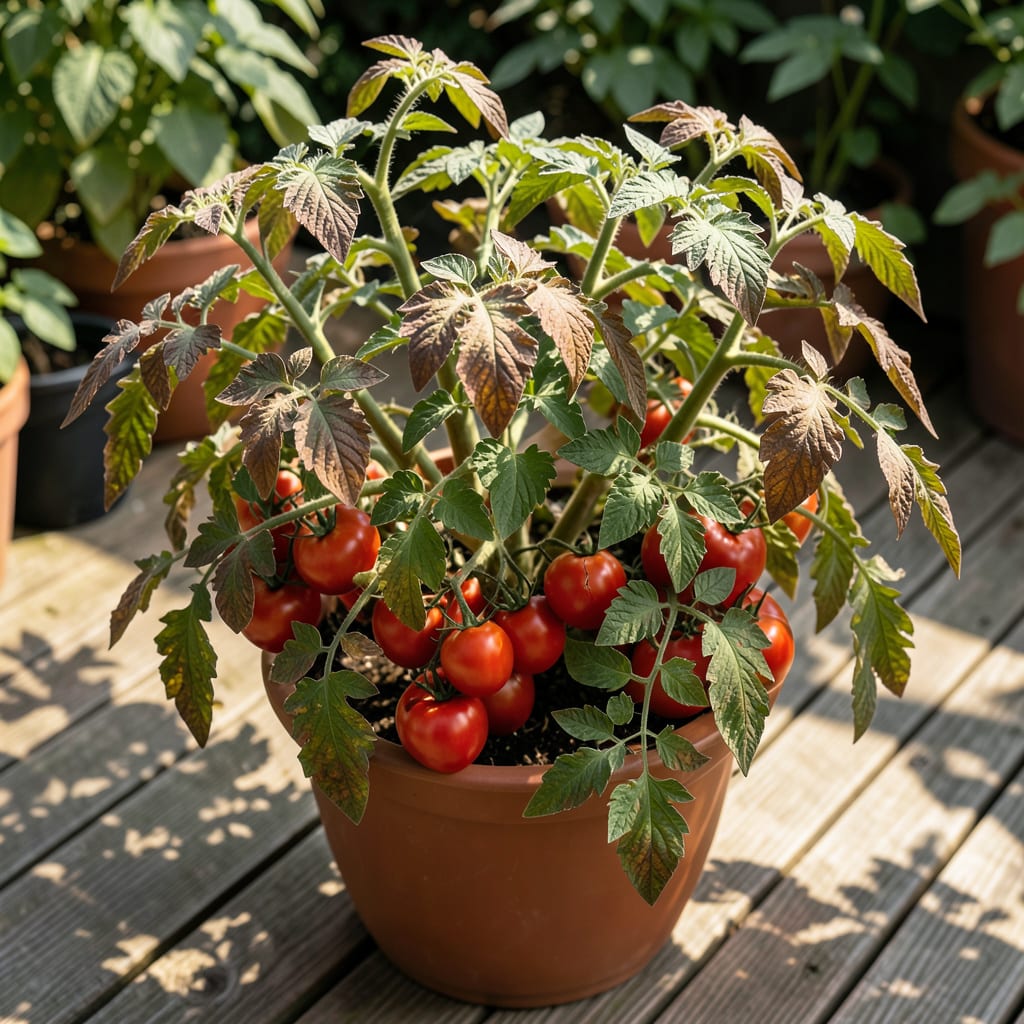
Brown tomato leaves aren’t the end of the world. I’ve saved more plants than I’ve lost by catching the problem early.
Most cases come down to 3 common issues: water stress, fungal disease, or nutrient deficiency. The pattern of browning tells you which one you’re dealing with.
With the right diagnosis, you can stop the spread in 24-48 hours and nurse your plants back to health. I’ve turned yellowing, crispy plants into productive ones with simple adjustments.
Works for potted tomatoes, garden beds, and even greenhouse setups. Let’s figure out what your plants are trying to tell you.
Brown leaves on your tomato plants are a red flag, but the cause can vary. Here are the most common reasons, explained simply:
Extreme heat (above 90°F/32°C) or cold snaps can scorch or freeze leaf tissues, turning them brown. Tomatoes thrive in 70–85°F (21–29°C). Prolonged drought or inconsistent watering also stresses plants, leading to leaf browning due to cellular damage.
Both overwatering and underwatering trigger browning. Overwatering suffocates roots, reducing oxygen uptake and causing root rot (which manifests as brown, wilted leaves). Underwatering, meanwhile, leads to nutrient deficiency and leaf desiccation.
Pathogens like Alternaria solani (early blight) or Pseudomonas syringae (bacterial speck) create brown spots with yellow halos. These thrive in humid, wet conditions and spread via splashing water. Fungal spores germinate on leaf surfaces, breaking down cells and causing necrosis.
A lack of calcium (blossom end rot can affect leaves too), magnesium (interveinal chlorosis turning brown), or potassium (leaf edges browning) disrupts normal leaf function. Test soil pH (ideal: 6.0–6.8); imbalances can lock out nutrients even if they’re present.
Sap-sucking pests like spider mites or aphids weaken leaves, causing brown stippling or curling. Their feeding disrupts chlorophyll production, and some (like thrips) introduce toxins that accelerate browning.
Once you’ve identified the cause, these targeted fixes will help nurse your tomato plants back to health. Act quickly to prevent further damage and restore vibrant foliage.
If excessive sun or heat is the culprit, provide afternoon shade using shade cloth or a DIY screen. Water deeply early in the morning to help plants cope with heat. Mulch around the base with straw or grass clippings to retain moisture and cool the roots.
Prevention tip: 💡 Plant heat-tolerant varieties like ‘Heatmaster’ or ‘Solar Fire’ in hot climates.
For underwatered plants, give them a thorough soak at the base (avoid wetting leaves) and maintain consistent moisture. If overwatering is the issue, let the soil dry out slightly between waterings and improve drainage by amending the soil with compost or perlite.
Prevention tip: ✨ Use a moisture meter to monitor soil conditions—aim for damp, not soggy or bone-dry.
Remove and destroy affected leaves immediately to prevent spread. Treat fungal issues (like early blight) with copper-based fungicides or a homemade baking soda spray (1 tsp baking soda + 1 quart water + a few drops of dish soap). For bacterial infections, prune in dry weather and apply a bacterial spray like copper sulfate.
Prevention tip: 🎯 Space plants properly for airflow and avoid overhead watering to keep leaves dry.
Blast aphids or whiteflies off with a strong stream of water, then apply insecticidal soap or neem oil. For larger pests like hornworms, handpick them off and drop them into soapy water. Introduce beneficial insects like ladybugs to keep pest populations in check.
Prevention tip: 🌿 Plant companion herbs like basil or marigolds to deter pests naturally.
Yellowing or brown leaves with veins staying green? Test your soil. For magnesium deficiency (interveinal chlorosis), add Epsom salt (1 tbsp per gallon of water) as a foliar spray. For calcium (blossom end rot can accompany leaf browning), work crushed eggshells or gypsum into the soil.
Prevention tip: 🌱 Feed plants with a balanced fertilizer (10-10-10) every 2-3 weeks during the growing season.
No, once leaves turn brown, the damage is permanent. Focus on fixing the underlying issue to save the rest of the plant. New healthy growth will replace the damaged foliage.
Yes, prune brown or spotted leaves right away to prevent disease spread. Use clean shears and dispose of them in the trash, not compost. This also redirects energy to healthy growth.
Check the pattern: crispy, dry edges suggest underwatering, while soft brown spots with yellow rings often indicate fungal disease. A moisture meter can confirm water stress.
Yes, overfertilizing can burn roots and leaves, causing brown, crispy edges. Stick to a balanced 10-10-10 fertilizer and follow package instructions carefully.
